One long video in, a week of posts out
Paste a link. Get the best moments.
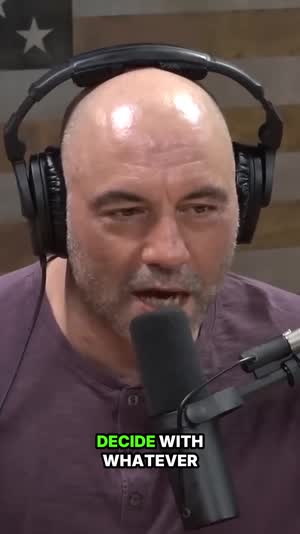
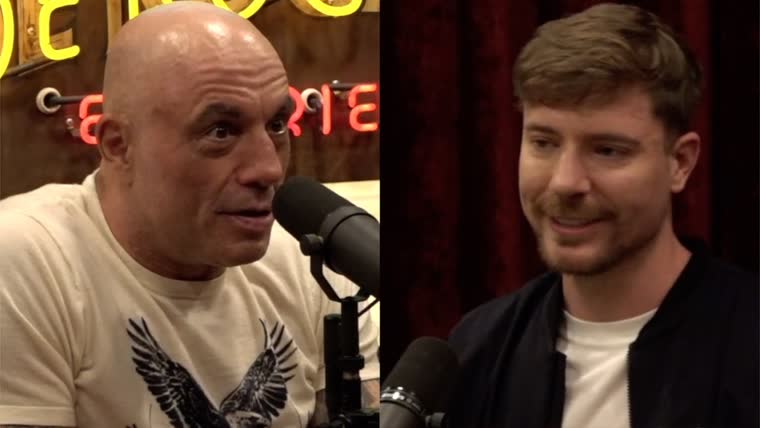
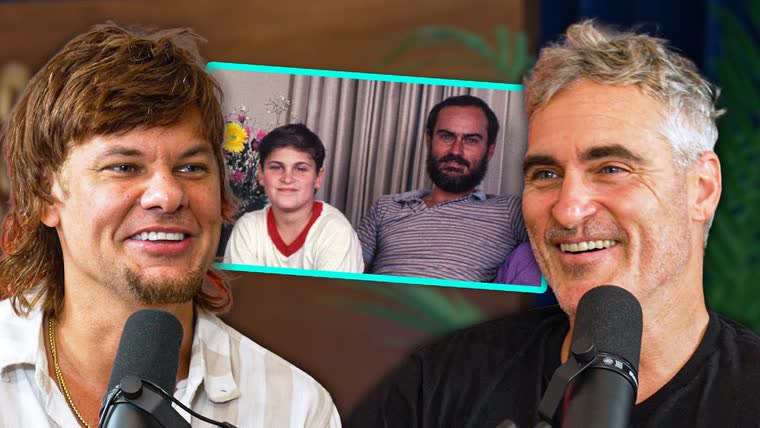
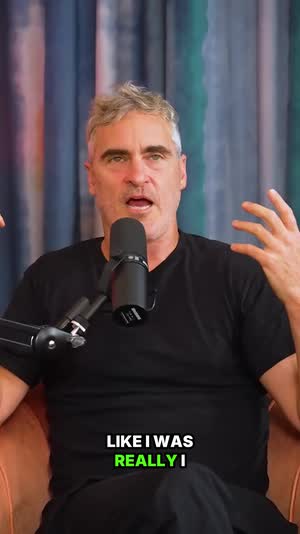
Real ClipSpeedAI output — every clip below was scored, cut, reframed to 9:16 and captioned automatically from the video above it.
How the titles get written
There is no separate title step. Naming happens as part of producing the clip.
1
Submit the long video
Paste a YouTube link or upload the file. The engine works through the entire runtime and picks the moments worth cutting — the sharp answer, the disagreement, the number nobody expected. Uploads go to two hours on every plan, the $1 trial included, and the source has to run at least two minutes.
2
Each clip is titled from its own transcript
The title is written against the words inside that specific cut, not against the video as a whole and not from a keyword you typed. If the clip is about why a founder fired their first hire, the title is about that, using the concrete detail the speaker actually gave rather than a generic phrase that would fit any clip.
3
Edit anything that misses, then post
Titles show in your library alongside the 0-100 score, so you are choosing what to publish and what to call it in the same glance. Any title can be rewritten in a single field and the change sticks to the clip everywhere it appears.
What you get with each title
A title generator that has not heard the clip can only give you a shape. These are written from the audio you are about to publish.
🏷
A title on every clip, without asking
Nothing arrives unnamed. When a batch of fifteen lands, all fifteen already have a line attached, which changes the review from a naming task into a picking task. The bottleneck for most people is not writing one good title, it is writing the fourteenth one at eleven at night.
📝
Written from what was said in that cut
Titles are generated per clip from that clip’s transcript, so they carry the specific noun, number or claim that made the moment interesting. This is the difference between "an important lesson about hiring" and a title that names the actual mistake, and only one of those makes someone stop scrolling.
🎣
The interesting part goes first
Feed titles get truncated and half of them are read peripherally, so a line that spends its first six words on setup has wasted them. The strongest element is front-loaded. That habit alone accounts for most of the gap between titles that work and titles that are merely accurate.
✏️
One field to override it
You know your audience better than any model does. Every title is editable inline, and the edit propagates to the library view, the download and anywhere else the clip shows up — no re-render needed just to change a line of text.
📊
Title and score together
The 0-100 grade sits next to the title, which is what turns a folder of clips into a posting order. You read the title to know what a clip is, and the score to know which three of the fifteen deserve this week’s slots. Neither is much use on its own.
🔴
Live clips are never left as placeholders
Clips cut from a running YouTube, Twitch or Kick stream are titled at the moment they are produced, not left with a generic filename to fix later. Speed is the entire point of clipping live, and an untitled clip is not actually postable.
🔤
Titles and captions are different things
The burned-in word-by-word captions are the spoken words rendered on the video in one of eleven styles. The title is the line you put in the caption box or the Shorts title field. Both are produced, they do different jobs, and conflating them is why some clips end up with the same sentence twice on screen.
🗂
A library you can actually search
Three months in you will have a few hundred clips. Named clips are findable and clip_11_final is not, which matters when a topic comes back around and you want the cut you already made instead of remaking it.
🔌
Titles come back through the API
If you are pulling clips programmatically, the title is part of the response along with the score and the timings, so a pipeline can queue posts without a human writing copy in the middle. The API documentation covers the payload, and the MCP connector returns the same fields to Claude.
Who runs out of titles first
🎙 Podcasters
One episode can produce a dozen postable moments, which is a dozen titles from a single recording session. Naming is the step that quietly caps how many actually go out. The podcast clip generator covers the clipping side.
📈 Clip channels posting at volume
At several posts a day, copywriting is the real constraint rather than editing. Titles arriving with the clips is what makes that volume sustainable by one person.
🎮 Streamers
A stream moment has a short shelf life. Having the title written the instant the clip is cut is the difference between posting during the stream and posting tomorrow.
🎓 Teachers explaining one thing well
Teaching clips live or die on whether the title names the exact question being answered. A vague title on a genuinely useful explanation is the most common way good educational content disappears.
📣 Social managers and agencies
Writing captions for a client whose voice is not yours is slow. A concrete first draft pulled from their own words is a much better starting point than an empty box.
💼 B2B and founder-led marketing
Webinar and talk clips usually get titled with company language nobody searches for. A title built from the sentence the speaker actually said tends to be sharper than the approved phrasing.
The title is the second decision, and it is the one people skip
Choosing which forty seconds to post is the first decision and everyone takes it seriously. Naming the clip is the second, gets about eleven seconds of thought, and then determines whether anybody watches. That imbalance is not irrational — by the time you reach the title you have already done the interesting work, and fatigue is real.
It compounds with volume. Writing one sharp line for one clip is easy. Writing sharp lines for fifteen clips from one podcast, then fifteen more next week, is a copywriting job nobody signed up for. What actually happens is that the first three get real titles, the rest get a truncated quote from the transcript, and the batch goes out unevenly.
Starting from a draft solves a different problem than starting from nothing. Even when you rewrite the generated title completely, reacting to a line is faster and produces better work than facing an empty field. Half the value here is that the blank box never appears.
What makes a clip title work in a vertical feed
Specificity beats intrigue almost every time. "The mistake that cost him the round" is weaker than a title that names the mistake, because a reader who cannot tell what they are being offered assumes it is nothing. The empty curiosity gap was a workable tactic years ago and is now mostly a signal that a clip has no substance.
Concrete nouns and real numbers do the heavy lifting. A figure, a company name, a specific timeframe — these give the eye something to catch on while scrolling. Abstract nouns like strategy, mindset, journey and framework slide past without registering, which is precisely why they show up in so many titles that nobody clicks.
Walk through one concrete pair and the mechanism stops being theoretical. A founder explains that they put prices up by a third and lost two customers over it. The accurate title is "why we changed our pricing"; the one that gets watched names the third and names the two customers. Same clip, same forty seconds, and the second version tells a scrolling reader exactly what they are being handed while the first asks them to gamble a swipe on finding out.
Length matters differently per platform. The line is truncated at different points on TikTok, Shorts and Reels, and it sits over the video on some surfaces, so anything critical needs to be in the first few words. Generated titles are kept short enough to survive the tightest of those cuts.
Finally, a title should describe the clip honestly. Overselling produces a click and then an immediate exit, and on a feed that early exit is a worse signal than the click was a good one. The most reliable long-run approach is to say clearly what the forty seconds contains.
A workflow for getting through fifteen titles in five minutes
Sort by score before you read a single title. The order you review in determines how much attention each clip gets, and you want your freshest judgement spent on the clips most likely to be posted rather than on whichever one happens to be at the top of the list.
Read the top three titles properly and be willing to rewrite them entirely. These are the ones going out this week, so they are worth the two minutes. Reacting to a draft is faster than inventing from nothing, and you will often find that keeping the generated noun and changing the framing gets you there in one edit.
Skim the rest for one specific failure: a title that could describe any clip. Anything containing only abstractions is a candidate for a rewrite, and anything naming a concrete detail can go out as written. That single filter catches most of what needs your attention.
Say the title out loud if you are unsure. Feed copy is read at speed and in fragments, and a line that trips you when spoken will almost certainly be skipped when scanned. This sounds like a writing-class exercise and is the fastest quality check that exists.
Then leave them alone. Endless polishing of clip copy is a way of avoiding the harder question, which is whether the clip is any good. Post, look at what happened, and let the next batch be informed by real numbers rather than by another twenty minutes of wordsmithing.
When not to let the transcript name the clip
There are four situations where the generated line should be treated as a placeholder you overwrite rather than a draft you tune, and knowing them in advance saves the review pass from becoming a rewrite pass.
The first is the clip you are actually betting on. If one cut from this batch is going into paid distribution or onto the front of a launch, write that title yourself. Every hour of thinking you have done about positioning lives in your head and none of it is in the transcript.
The second is anything where the value is an in-joke. A running gag, a recurring segment, a phrase your audience already knows — a title written from what was said in those forty seconds will describe the words accurately and miss the reason anybody cares. Say you run a weekly show where one guest is a recurring foil; a title naming the argument beats a title naming the topic, and only you know that.
The third is sensitive material. When a guest talks about a bereavement, an illness or something that went badly wrong for them, the framing carries a duty that a summary of the words does not know about. Read those titles closely. The failure mode is not inaccuracy, it is a line that is perfectly correct and tonally wrong, and it is the kind of mistake an audience remembers.
The fourth is a campaign phrase. If the clip has to carry a specific product name, a date or a phrase every asset in the launch is using, edit it in — nothing in the pipeline knows your campaign exists. Worth knowing: the edit sticks to the clip, so doing it once is enough even if you re-render later.
Writing them by hand versus generating them from the clip
Compare the two on the twelfth clip, not the first. On clip one a person wins comfortably — you know the audience, you were in the room, and you can spend five minutes on one line. By clip twelve the comparison has inverted, and not because the writing got harder. Attention is the constraint, and it runs out well before the batch does.
A two-hour founder interview is the clean example. It yields somewhere around fifteen postable moments, which means fifteen titles from one afternoon of recording. In practice the first three get real thought, the middle five get a truncated quote from the transcript, and the last seven get whatever finishes the job. The batch then performs unevenly for reasons that have nothing to do with which clips were best.
Starting from a draft changes the shape of the task rather than the amount of work in it. Editing is a different cognitive job from composing: you are reacting to something concrete instead of generating from nothing, and reacting is both faster and, for most people, better. It turns out that the strongest use of a generated title is often to keep its concrete noun and throw away its framing, which is a one-word edit rather than a rewrite.
The habit worth building is a two-tier review. Rewrite the top three by hand and let the rest go out as written unless a specific thing is wrong with them. That is not a compromise position, it is where the returns are — the difference between a good and a great title on your fourth-best clip is almost never visible in the numbers.
Alternatives, and what to use if a title is not the missing piece
Pasting each transcript into a general chatbot works and costs nothing, and if you post two clips a week it is a completely reasonable answer. The arithmetic changes at volume: copy the transcript, prompt, wait, paste back, repeat fifteen times, and you have spent roughly what writing them would have cost.
A swipe file of your own best-performing lines is underrated and free. Keep the twenty titles that actually worked for your channel in one document and read them before a review pass. Your own history is better training data for your audience than anything general, and most creators have never assembled it.
Platform suggestions are worth a glance and not much more. They are drawn from what is trending broadly rather than from the contents of your clip, which makes them useful for spotting a format and useless for naming a specific moment.
And here is the honest redirection. If your titles are already fine and the clips still underperform, the problem is upstream and no amount of copy fixes it — what you want is a better shortlist of moments before anything gets named. If you cannot tell which of your clips are the good ones, the viral score checker covers the grading side. Titles are a multiplier on a clip that already works, and a multiplier on zero is still zero.
What a generated title cannot do, and the mistakes it will not stop you making
It cannot rescue a weak clip. A boring forty seconds with a brilliant title gets a spike of views and a retention curve that falls off a cliff, and the platform learns from that faster than you would like. Every clip comes back scored 0-100 for exactly this reason: the title improves how a good clip performs, and the score tells you whether it is a good clip.
It is not keyword research. The title is written from the content of the clip, not from search volume, so if you are targeting a specific search term you should edit it in. Short-form discovery mostly does not work like search anyway, but the honest version is that no keyword data is consulted.
And ClipSpeedAI does not generate thumbnail images. There is no AI image generation in the product, no text-on-image renderer, and no automatic cover art. You pick a frame from the clip, and if you want the title burned onto the cover you add it in the platform’s own thumbnail editor. If image generation is what you came for, this is not it.
Nor does it A/B test for you. There is no experiment framework that swaps titles and measures which won. If you want that, post, watch, and rewrite — which is the same loop it has always been, just starting from a draft instead of nothing.
What we have learned running this engine
Observations from operating the pipeline in production — not general advice.
An edited title only works if every surface reads the override
A title is not stored in one place. It appears on the library card, in the download, in the API response and in what the MCP connector hands back to Claude, and each of those is a separate read. We shipped a version where an edit saved correctly and one of those views kept rendering the original line, which arrived as a support ticket saying edits do not save — when in fact they had saved perfectly and a single surface was reading the wrong field. Having one effective-title value that everything resolves through is the whole fix, and it is the sort of bug that only exists because text is cheap to duplicate.
A placeholder on a live clip cancels the reason you were clipping live
There is a standing rule here that a clip cut from a running stream never ships with a generic name, and rules like that exist because the alternative happened first. The logic is unglamorous: the only argument for clipping during a broadcast is posting inside the hour, and an unnamed clip is not postable. Pushing the naming step to later means doing it at the exact moment you are least able to — mid-stream, mid-conversation, watching chat. A placeholder does not save the work, it relocates it to the worst available slot.
Two clips with the same title are usually one clip twice
Each title is written against its own clip transcript rather than against a shared summary of the episode, so genuine convergence is informative. When two titles come back nearly identical it is very rarely a titling failure — in practice it means the two cuts are covering the same ground, and you were about to post the same idea twice in one week. The useful response is not to rewrite one of the titles to look different. It is to drop one of the clips and keep the higher-scoring cut.
Compared with the alternatives
vs. writing them yourself
You will write a better title than any model for the clip you care most about, because you were there and you know your audience. The trouble is that this is true for clip one and increasingly false by clip twelve. Use both: take the generated line for the routine cuts and hand-write the one you are actually betting on.
vs. pasting the transcript into a chatbot
This works, and plenty of people do it. It also means copying each transcript out, prompting, waiting, pasting back, and repeating fifteen times, which is roughly as long as writing them. Here the title is produced with the clip and arrives attached to it, so there is no shuttling between two tools.
vs. a generic online title generator
Those tools take a topic word and return permutations of a template. They have not heard your clip, so they cannot name the specific thing that made it good — and specificity is the entire mechanism. A template can only ever produce a title that would fit any video on the subject.
vs. the title field in other clipping tools
Most produce a suggested title somewhere in the interface. Worth checking: whether it was written from the individual clip or from the source video as a whole, whether live clips get real titles or placeholders, and whether an edit persists without a re-render. Cut a batch and look at all fifteen.
Frequently asked questions
How does the AI write a title for each clip?
The title is generated from the transcript of that individual clip after the cut points are set. It leans on the concrete elements inside those forty seconds — the claim, the number, the name — rather than on a summary of the whole source video. That is why two clips from the same episode get genuinely different titles.
Do I have to ask for titles, or do they come automatically?
They come automatically with every clip, including clips cut from a live stream. There is no extra step to run and no button to press. Titling is treated as part of producing a postable clip rather than as an optional add-on.
Can I change a title I do not like?
Yes, in a single field in your library, and the change follows the clip everywhere it is shown. Editing text does not require re-rendering the video, so it is instant. Most people keep some titles and rewrite others, which is the intended way to use it.
Is the title burned into the video?
No. The title is metadata you copy into the caption or title field when you post. What is burned into the frame is the word-by-word caption of the spoken audio. Keeping those separate stops you ending up with two competing pieces of text on screen at once.
Does it make thumbnails or thumbnail text?
No. There is no image generation in the product at all — no AI cover art and no text-on-image rendering. You select a frame from the clip as your cover and add any overlay text in the platform’s own thumbnail tool. We would rather be clear about that than let you find out after subscribing.
What does the titling cost?
Titles are part of clipping rather than a separate charge. A three-day trial is $1 and carries the full two-hour source limit, which is enough to read a batch of titles on your own material. After the three days it is $39 monthly, ended with one click.
Are the titles optimised for a keyword?
No. They are written from the content of the clip, and no search volume data is consulted. Short-form discovery is driven far more by the first two seconds of video than by title keywords, but if you are targeting a phrase deliberately, edit it into the title yourself.
Will two clips from the same video get similar titles?
They should not, because each title is written against its own clip transcript rather than against a shared summary. If two clips genuinely cover the same ground the titles will converge, which is usually a sign you should only post one of them.
Do live stream clips get real titles?
Yes. Clips produced during a YouTube, Twitch or Kick broadcast are titled at the moment they are cut rather than filled with a placeholder. A clip you have to name before posting is not fast, and speed is the only reason to clip live in the first place.
How long are the generated titles?
Short enough to survive truncation on the tightest of the major surfaces, with the important part at the front. If you need a longer line for a YouTube title field specifically, extend the generated one rather than starting over.
Can I set a tone or style for the titles?
There is no tone selector. Titles follow the register of the clip itself, so a technical explanation gets a plainer title than a heated argument. If a consistent house voice matters to you, editing the line is quick, and the Brand Kit handles the visual side of consistency.
Does it generate hashtags or a full description?
The output is a title. Hashtags, descriptions and any platform-specific extras are yours to add. We would rather ship one field that is reliably good than several that all need rewriting.
How do I know which titled clip to post first?
Sort by the 0-100 score. The grade reflects how the clip opens, how it paces and where its strongest beat lands, so it ranks your batch against itself. Read the titles to know what each clip is, then let the score decide the order.
Are the titled clips watermarked?
No, not on any plan. Exports come out clean from the $1 trial onward with no badge in the frame, and the Brand Kit can place your own logo instead if you want your channel mark on everything.
Can I get titles for clips I made somewhere else?
Not as a standalone service. Titles are produced as part of clipping here, so the input is a long video rather than a finished clip. If you already have clips from another tool, re-running the source through ClipSpeedAI is the practical route.
What languages do the titles work in?
They follow the language of the transcript, and quality tracks transcription quality. English is strongest. For any other language, the honest advice is to run one video through the $1 trial and read the fifteen titles before you commit to a month.
How much video can I submit for one batch of titles?
Two hours in a single upload on every plan, the $1 trial included, and two minutes at the short end. Anything longer can be broken into parts, and connecting a channel for live clipping sidesteps the per-file ceiling entirely.
Does the title change if I trim the clip?
If you adjust the boundaries and re-render, the clip changes but a title you have already edited stays as you wrote it. Rewrite it yourself if a significant trim has changed what the clip is about.
Can I export the titles as a list?
Through the API you get the title, score and timings for each clip in the response, which is what a scheduling pipeline needs. In the app itself the titles live with the clips in your library.
Is this just ChatGPT with a prompt?
The meaningful difference is the input. A general chatbot titles whatever text you paste; here the model is working from the transcript of a clip whose boundaries were chosen by the same system, alongside a score for how that clip plays. Nothing needs to be described to it second-hand.
Will a good title fix a bad clip?
No, and it can make things worse. A strong title on a weak forty seconds buys a click followed by an immediate exit, and platforms weigh that early exit heavily. Judge the clip on its score, then let the title do its job on the ones that deserve it.
Does it work through Claude?
Yes. The MCP connector lets you ask Claude to clip a video and it returns the finished clips with their titles and scores in the conversation, so you can review a batch without opening the app. Setup is covered in the
developer docs.
How fast do the titles arrive?
They come back with the clips, typically within a few minutes of submitting, depending on runtime and queue. There is no separate wait for copy after the video is done rendering.
Can two people on a team edit titles?
Titles are stored with the clips in the account that produced them, so anyone with access to that account sees the current version. Edits are not versioned, so the most recent edit is what everyone sees.
What happens to my video and transcript?
Both are used to produce your clips and titles, and nothing is published by us. The clips and the copy are yours. See the
privacy policy for the specifics on handling and retention.
Can I cancel the trial before it converts?
Yes, one click in your account, and you keep everything until the paid period ends. A reminder email arrives before the conversion date so the charge never lands unannounced.
See fifteen clips come back already named
Run one episode through and read the titles top to bottom. You will know immediately which ones you would keep and which ones you would rewrite, and that is the only judgement that matters here.
⚡ Get Titled Clips — $1 trial
3-day trial · just $1 · cancel anytime