Every webinar you ran and every group call you facilitated contains two or three explanations sharper than anything you would produce sitting in front of a camera on purpose. This finds them, cuts them to vertical, captions them, and ranks them so you know which one to lead with.
🎬 Enter any URL under 2 hours
⏱ That video is longer than we can process
Built for webinars and calls
Finds complete explanations
Screenshare layout for slides
Filler words stripped out
Each clip scored 0-100
One long video in, a week of posts out
Paste a link. Get the best moments.
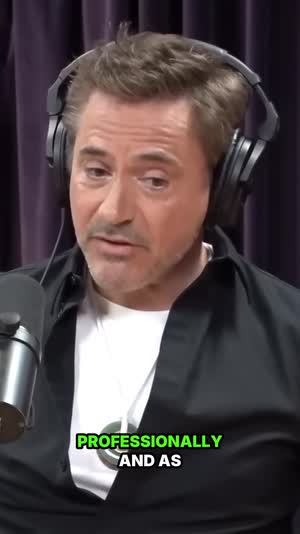
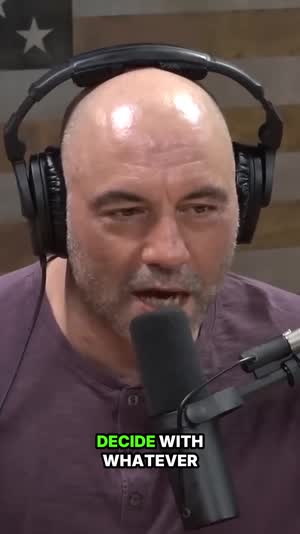
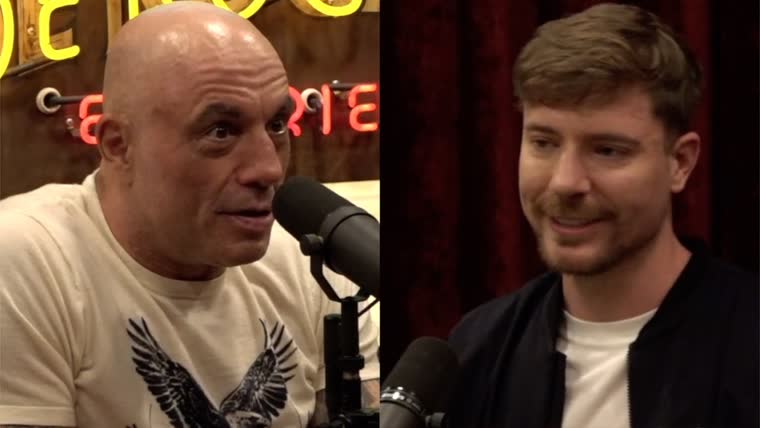
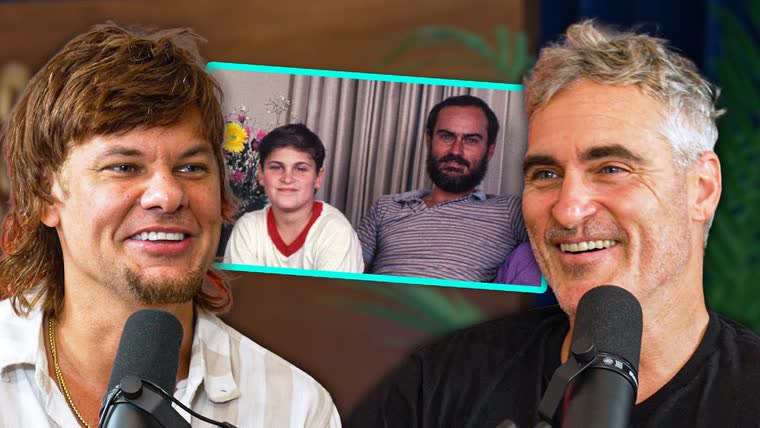
Real ClipSpeedAI output — every clip below was scored, cut, reframed to 9:16 and captioned automatically from the video above it.
The work is already done. This is the part between doing it and anyone seeing it.
1
Bring the recording you already have
Upload the export from your webinar platform or meeting tool, or paste the link if the session is already published. Slide-heavy presentations, talking-head training, panel formats and Q&A blocks all work. Sessions up to two hours are handled on every plan, the $1 trial included; two minutes is the shortest recording worth sending.
2
The AI hunts for the teaching moments
It reads the whole session and looks for stretches where you explained something completely — a definition that lands, an objection dismantled, a mistake named and corrected. Those are the segments with value to a stranger, and they are usually not the segments you remember being good.
3
Review a shortlist and publish
Each clip arrives vertical, captioned word-by-word, titled, and scored out of 100. Approve the ones that represent you accurately, edit any that need a tighter opening, and either download them or schedule them across TikTok, Reels, Shorts and your other channels.
Built around how coaching content actually looks
Session recordings are not podcast footage. They have slides, several participants, long setup and a lot of thinking out loud, and each of these deals with that.
🧭
Finds complete thoughts, not soundbites
A ten-word line that sounds punchy but explains nothing is worthless to someone deciding whether to hire you. Detection favours segments that resolve — a question asked and genuinely answered — because that is what functions as evidence of expertise rather than as a slogan.
🖥
Screenshare layout for slide-based sessions
Most webinar recordings are a deck with a small camera feed in the corner, and a naive vertical crop either loses the slide or loses you. The screenshare layout stacks the presentation and the speaker so both stay readable on a phone, which is what makes a training clip usable at all.
🗣
Filler removed so you sound like the expert
Live teaching is full of "so, um, basically" and half-restarted sentences. Nobody minds them in a two-hour session and everybody notices them in a thirty-second clip. Stripping filler and dead air is the single change that most affects how authoritative a clip sounds.
👥
Speaker tracking across multiple participants
Group calls move between faces. Tracking follows whoever is currently talking rather than locking to the centre of a grid, and split layouts keep a two-way exchange legible. A question from a participant followed by your answer is one of the strongest clip shapes there is.
📊
A 0-100 rank so you lead with the right one
Twelve clips out of one webinar is not obviously helpful — you still have to choose. The score orders them by how strongly each opens and how efficiently it gets to the point, which converts a folder of exports into a posting plan.
🔤
Text on screen, because nobody unmutes a stranger
Turning the sound on is a small commitment, and a buyer sizing up an advisor they have not heard of will not make it first. They read, decide from the text alone whether you know the subject, and grant you the audio only after that. Word-by-word captions in eleven styles are rendered into the frame itself, so the distinction your answer turns on is legible at the moment that judgement is being made.
🎨
One consistent look across everything
Authority is partly repetition of visual identity. The Brand Kit holds your fonts, colours and logo and applies them to every clip, so a prospect who sees you three times in a month registers it as three touches from the same person.
📅
Scheduling that keeps you present between launches
The failure pattern for coaches is a burst of content during a launch and silence for six weeks. One session clipped and queued fills those weeks, which matters because most people hire the person they have been quietly watching for a while.
🔴
Clip live Q&A as it happens
If you run open sessions or AMAs on a public channel, clips can be produced during the broadcast on YouTube, Twitch or Kick. The best answer in a live Q&A is often the one you did not plan, and it is postable before the session ends.
Which practices this fits
💼 Business and executive coaches
Discovery calls and group programs contain the exact objections your market has. Answering one clearly in forty seconds does more than a carousel of principles.
📈 Sales trainers and consultants
Role-play segments and live teardowns are the most watchable thing you produce, and the least likely to ever leave the private portal.
🏋️ Fitness and performance coaches
Form corrections and programming explanations film themselves during a session. The correction clip — naming the common mistake — reliably outperforms the motivational one.
🧾 Finance, legal and technical advisors
Complex topics explained plainly are scarce and get shared. Clipping the plain-English answer is the highest-leverage thirty seconds in a two-hour seminar.
🎯 Career and interview coaches
Mock interviews and resume teardowns are unusually specific, and specificity is what makes someone comment "this is exactly my situation".
📚 Curriculum and program designers
A module opening that stands alone doubles as an advertisement for the course. Related: the best moments finder for pulling those from long lecture recordings.
Why coaches clip for different reasons than creators
A creator posts to grow an audience and monetises the attention. A coach posts to be found already credible by a small number of people who might pay four figures. Those are different objectives and they imply different clips. Forty thousand views from people outside your market is worth less than eight hundred views from people who run the kind of business you fix.
That changes what a good clip looks like. Broad, motivational, universally agreeable content performs on the metrics and generates nothing, because it is indistinguishable from every other coach saying the same reassuring thing. The clip that fills a calendar is narrow: it names a specific situation, describes what usually goes wrong in it, and shows you handling it. Narrow content self-selects its audience.
This is also why session recordings beat purpose-shot content for this audience. When you sit down to record a piece to camera, you produce your general version — the one you have said a hundred times. When you are actually working with someone, you produce the specific version, with the caveats and the real example in it. That is the material worth mining.
The clip shapes that consistently work for advisors
The objection answered. Someone raises the thing your whole market believes, and you take it apart in under a minute. This is the most useful clip you can post because it does the same work your sales call does, before the call exists.
The named mistake. "Most people in this situation do X, and here is what it costs them." Correction content gets saved and forwarded in a way that encouragement does not, because it gives the viewer something to check about themselves immediately.
The framework, explained once. If you have a method you actually use, the clean explanation of it is your best asset and it is almost always buried inside a session where you happened to explain it well. Pull it out and it becomes the thing people quote back to you.
The unglamorous answer. When a participant asks something and the honest response is "that depends, and here is on what", the nuance is what signals a real practitioner. Most of your competitors will not post it because it does not sound impressive. That is the reason it works.
Mistakes advisors make with session clips
Posting the inspirational thirty seconds instead of the useful ninety. Encouragement performs slightly better on impressions and considerably worse on enquiries, because it demonstrates nothing. If a clip could have been posted by any of your competitors without changing a word, it is not doing the job you needed it to do.
Leaving the qualifier out. Advisory answers usually carry a condition — this applies when X, not when Y — and a clip that opens one sentence late strips it. That is how people end up with a comment section arguing against a position they do not actually hold, and it is entirely avoidable by watching the clip before it goes out.
Clipping the setup rather than the payoff. When you re-watch your own session, the part that feels significant is often the framing you were proud of building. To a stranger, the framing is preamble. The score tends to be right about this and hosts tend to argue with it.
Publishing a participant without asking. It is the one mistake with real consequences, and it happens because a clip that includes a client question is usually a better clip. Ask first, in writing, and accept that the answer is sometimes no.
Going quiet for six weeks. Consistency beats individual quality for this audience, because being hired is a function of being remembered at the moment someone finally decides to act. One clipped session that fills a month is worth more than three excellent posts and a gap.
A posting cadence that survives a full client load
The realistic constraint is not ideas, it is that your billable hours come first and always will. So the cadence has to be built around something you already do rather than something you have to add. Most advisors run at least one recorded group session or webinar a month, and that is enough raw material if it is mined properly.
A workable rhythm looks like this. Clip the session the day after you run it, while you still remember which answers landed. Approve five or six, not twenty — the marginal ones dilute the strong ones and you will not miss them. Queue those across two to three weeks, which puts you in front of your market often enough to be familiar without becoming background noise.
Reserve one slot a week for something reactive, because a comment on a question that is live in your field this week will always outperform an evergreen explanation. Live Q&A clipping is useful here, since a real question from a real person is more current than anything you could plan.
Then leave the archive alone for a quarter and go back to it. Clips you rejected in January frequently work in April, because the market conversation has moved toward what you were explaining. Nothing expires, and re-reading an old shortlist is the cheapest content session you will ever run.
Fixing a session that came back with the wrong clips
The complaint that comes up most is a slide-heavy training returning clips where the deck is unreadable. In practice that is a naming problem before it is a layout problem, because the first thing consulted is the title the recording arrived under, and an export called Session_4_final.mp4 says nothing about what was on screen. Re-upload the same file named after its content — pricing objections webinar, template walkthrough — and the screenshare treatment is chosen without you intervening. On clips you already have, switch the layout and re-render.
The second is a question-and-answer exchange coming back as full-frame you when you wanted both faces. That is a talk-time decision rather than a bug: hold too much of the speaking and the split is dropped in favour of following whoever is talking. Nothing judged the question unimportant — the participant simply did not hold enough of the conversation to keep half a frame. Override it per clip on the exchanges where the back-and-forth is the whole point.
Too few clips from a long session is usually a verdict on the session rather than on the selection. A webinar that spends twenty minutes on introductions, housekeeping and reading slides aloud contains twenty fewer minutes of clippable teaching. Turns out the durable fix is structural: get the admin done before you hit record, and stop putting the Q&A in the last five minutes when half the room has already left.
And if the captions mangle your terminology, catch it before publishing rather than after. Field-specific acronyms, product names and anything you say in a way your industry says differently are where transcription slips, and a clip whose entire authority rests on one term loses it the moment that term is spelled wrong on screen.
Clipping a webinar by hand, and what changes when software does it
Doing this manually is not difficult, it is long. Export the recording, scrub it at double speed with a notes file open, mark six timecodes, cut them, crop each to vertical while trying to keep the slide legible, add captions, fix the captions, export. For a sixty-minute webinar that is most of an afternoon, and the afternoon recurs every time you run a session.
The part people underestimate is the choosing, not the editing. Watching your own session back is uniquely slow because you already know what is coming, so you cannot skim it — you keep stopping to relive a passage that felt sharp in the room and turns out to be ordinary on playback. Most advisors who have tried this route have a folder of exports that never went anywhere as evidence.
What software changes is the order of operations rather than the standard. It reads the entire session, proposes a scored shortlist, and renders each candidate as something you can actually watch instead of a timecode you have to imagine. Your judgement moves from finding to approving, which is the half of the work that genuinely requires you to be the expert in the room.
Where it does not replace a person is anywhere taste meets liability. Whether a clip represents your method fairly, whether a client is identifiable, and whether the qualifier survived the cut are decisions with consequences attached, and no ranking makes them on your behalf. It is easy to miss that distinction when a shortlist arrives looking finished.
Client confidentiality is your call, not the software's
This has to be said plainly. If your recordings contain clients, the tool has no way to know that and will happily produce a clip featuring their face, voice and business problem. There is no anonymisation step, no face blurring, and no consent check built in. Reviewing every clip before it leaves your account is not optional in this line of work.
The practical approach most advisors settle on is straightforward. Group program and client call recordings are mined for your own segments only, and anything with a participant in frame either gets written permission or does not get posted. Webinars, conference talks, public workshops and open Q&As are the safe bulk of the material, and there is usually more of it than people expect.
If you work under a professional confidentiality obligation, treat session footage as you would treat your notes: something you may only publish with explicit permission, and often not even then. The privacy policy covers how your uploads are handled on our side, but the decision about what is appropriate to publish is entirely yours.
When not to put a session through this at all
A recording where you mostly asked questions. Diagnostic and discovery work is the least clippable thing an advisor does, because the useful sentences in it belong to the other person and the parts that are yours are prompts with no content of their own. You will get a short list, most of it will need permission you should not ask for, and the hour you spend reviewing it would have been better spent on the group session you ran the same week.
A workshop whose value was the room. Breakout exercises, whiteboard sessions and anything where several people talk at once produce audio that reads as crosstalk and a picture whose meaning is on a wall nobody filmed. Selection here works from the transcript, so a moment whose substance never became speech is invisible to it — no amount of layout choice recovers a diagram that was never in shot.
A recording captured by a laptop across a room. Transcript quality decides which segments are even considered, not merely how the captions read, so distant or heavily compressed audio degrades the shortlist before you ever see it. If the words are hard for you to make out on playback, the selection will be working from the same handicap and the honest move is to fix the capture before the next session rather than to mine this one.
Anything under an active NDA or covering unreleased client work. There is no redaction pass, no face blur and no way for the system to know a name is confidential, so the only safe control is not uploading it. That is not a limitation worth engineering around either — the material you can publish freely is almost always the larger pile.
And a session you did not want to run in the first place. Clipping multiplies whatever the recording already is. A flat, going-through-the-motions delivery yields flat clips at volume, which is a worse outcome than posting nothing, because the version of you a stranger meets is the one they will assume is representative.
What advisory footage taught us about this pipeline
Observations from operating the pipeline in production — not general advice.
The words in the file name change which layout you get
Before a single face is counted, the layout picker reads the title the recording arrived under — which for an upload is the file name, with underscores and hyphens turned into spaces — and looks for vocabulary that describes screen content: tutorial, demo, walkthrough, how-to, and the names of the obvious slide and design tools. A hit there returns the screenshare layout outright and the face-count logic is never consulted. What is absent from that vocabulary is the language coaches actually use, so a slide-heavy training uploaded as Session_4_final.mp4 hands the picker nothing to read and the decision falls through to a thumbnail and a face count instead. Naming the export after what is on the screen is the cheapest correction available to you.
One ratio decides whether a Q&A exchange comes back side by side
With two people visible, the choice between showing both and following whoever is talking rests on a single number: the share of speaking frames held by the more dominant of the two. At 70 per cent or above the split is abandoned and the crop tracks the active speaker. That threshold is the reason a group call where you did nearly all of the talking returns as full-frame you, while the exchange you actually wanted as a split — a participant putting a real question, you answering it — only stays a split if they held more than roughly a third of the talking. When a clip you expected side by side did not arrive that way, that is almost always what happened.
A single frame sets the content type for the whole recording
When the title yields nothing, the fallback is a visual check on one thumbnail, and that answer is then cached against the project for twenty-four hours rather than recomputed per clip. So one frame settles the content type for every clip cut from that session. For a webinar that runs forty minutes of slides and then breaks into a camera-only Q&A, that is a single verdict covering two genuinely different shapes of footage, which is why the layout is worth overriding by hand on the clips that came from the second half. The control is per clip even though the classification behind it is not.
Compared with the alternatives
vs. recording clips deliberately
Shooting to camera means booking the time, being on, and doing takes. It also produces your rehearsed answer rather than your real one. There is a place for both, but the deliberate version is the expensive way to get a weaker result — and it stops the first busy week you have.
vs. a virtual assistant or editor
A VA can cut clips competently. What they cannot do is decide which ninety seconds of your webinar demonstrates competence, because that judgement requires understanding the subject. Most coaches who hire for this end up sending timestamps anyway, which is the part that was taking their time.
vs. posting the full webinar replay
Replays serve people already interested enough to commit an hour. They do nothing for discovery, since no feed will surface a sixty-minute upload to a stranger. Clips are the top of that funnel; the replay is the bottom. Running both is the point.
vs. writing posts instead of clipping
Text is faster to produce and easier to skim, and it does not show you thinking. For an audience choosing who to trust with an expensive engagement, watching you handle a hard question for forty seconds carries information that a well-written paragraph cannot.
vs. clipping tools built for podcasters
Most are tuned for podcasts and streams, where the footage is two people on cameras. Session recordings with slides and multiple participants need the screenshare and grid layouts to survive a vertical crop. If your material is slide-heavy, that is the specific thing to test — run one webinar through it.
Frequently asked questions
What kind of recordings work best for coaching clips?
Webinars, group program calls, live workshops, conference talks and open Q&A sessions are the strongest sources because they contain real questions and unrehearsed answers. Slide-based training works well too thanks to the screenshare layout. The weakest source is a scripted piece you recorded to camera, since it tends to contain your general answer rather than your specific one.
Can I clip a call that had clients on it?
Technically yes, and you should be careful about it. The system cannot tell who is a client and there is no anonymisation or face-blurring step. Most advisors mine those recordings for their own segments only and get written permission before publishing anything with a participant in it.
Does it handle slide presentations?
Yes, through the screenshare layout, which keeps the deck and your camera feed both visible in a vertical frame. This matters more than it sounds: a straight centre crop of a webinar recording usually cuts the slide in half and leaves the clip unreadable on a phone.
How many clips will one webinar produce?
It tracks how much genuinely self-contained teaching is in the session rather than a fixed count. A tight sixty-minute webinar with a real Q&A commonly yields somewhere between eight and fifteen. A session that is mostly housekeeping and slide-reading yields far fewer, which is honest feedback about the recording.
Is there a cheap way to try it on my own session?
Yes. Full access is a $1 trial for three days, so for a dollar you can put a real training block through it and judge the clip selection against your own sense of which parts were good. It is $39 a month after that, cancellable in one click.
Will the clips have a watermark?
No. Everything you export is clean, on the $1 trial and on a paid plan alike, which matters for this audience — a watermarked clip on a professional feed undercuts the impression you are trying to make. Your own logo can be applied through the Brand Kit.
Can it tell the difference between me and a participant?
It tracks whichever person is speaking and frames them, and for back-and-forth exchanges it often uses a split layout so both are visible. It does not know who is the coach and who is the client, so review before publishing is on you.
Do you have AI avatars or voice cloning so I do not have to record?
No. There is no synthetic presenter, no generated voice and no text-to-video anywhere in this product. Everything it produces comes out of footage of you actually saying the thing, which for a trust-based practice is arguably the right constraint.
How long can a session recording be?
Every plan takes each upload up to the two-hour mark, the $1 trial included, with two minutes as the lower bound. A half-day workshop should be split into parts, which is usually a better structure anyway since each part tends to cover a distinct topic.
What is the 0-100 score measuring?
How strongly the clip opens, how quickly it reaches its point, and where the strongest moment sits inside it. Treat it as a ranking device for deciding what to post first rather than a prediction of performance. For choosing among twelve clips from one webinar it does that job well.
Are the captions accurate with industry jargon?
Common professional vocabulary transcribes well. Unusual product names, acronyms and specialist terminology are where errors show up, so it is worth reading the captions on any clip built around a term your field uses in an unusual way before you publish it.
Can I edit the clips it produces?
Yes. Adjust the in and out points, change caption style, rewrite the title, switch layout and re-render. This matters for advisory content specifically, because a clip that starts one sentence too early can strip the qualifier off a claim and change what you appear to be saying.
Where should I post coaching clips?
Wherever your buyers are, which for most advisors means a professional feed plus at least one short-form platform. Scheduling to TikTok, Instagram Reels and YouTube Shorts is built in; for other destinations you download and upload as normal.
Does it work for a solo talking-head recording?
Yes, and reframing is simpler with one person on screen. The value in that case is mostly the selection and the tightening, since a forty-minute solo training still hides a handful of segments that stand alone.
Can I clip a live Q&A while it is running?
Yes, if it is broadcast publicly on YouTube, Twitch or Kick. Clips are produced during the session, so the answer that landed can go out while people are still in the room rather than three days later.
How does this help me get clients rather than views?
Indirectly and slowly, which is the honest answer. Clips make you familiar and demonstrate competence before a call; they do not close anyone. What they change is who arrives already convinced, and the practical effect shows up in shorter sales conversations more than in follower counts.
Should I put a call to action on every clip?
That is a judgement call and worth testing rather than assuming. A pitch on every clip trains people to scroll past you. Many advisors do better letting most clips be purely useful and reserving the ask for a fraction of them.
Can it clip a Zoom recording?
Yes. Export the recording as a video file and upload it. Gallery-view recordings are handled with grid and split layouts, and if you shared your screen the screenshare layout keeps the shared content readable.
Can it handle sessions I run in another language?
Transcription and captions support major languages, with English handled best. Since the whole selection process depends on the transcript, accuracy in your language directly determines clip quality — run one real session through the $1 trial rather than trusting a general claim.
Can my assistant run this instead of me?
Yes, and it is a sensible division. The system produces the shortlist, an assistant handles scheduling and captions for the post itself, and you spend five minutes approving what represents you. The approval step is the part that should not be delegated.
Can I plug this into the systems my practice already runs on?
Yes. There is a developer API and an MCP connector that lets Claude clip a session conversationally, which suits anyone already running a content workflow through an assistant. See the developer docs.
How long do I wait for a session to come back?
A few minutes for a typical session, longer for a full two-hour recording or during busy periods. You do not need to stay on the page; the clips are in your library whenever you come back to it.
What if the clips do not sound like me?
They are cut from your own words, so the usual complaint is not tone but framing — a clip that opens on the setup instead of the point. Nudging the start forward a sentence fixes most of it, and after a few sessions you will know which of the eleven caption styles suits how you present.
Do you store my session recordings?
Uploads are processed to generate your clips and are never published by us. Given that coaching footage is frequently sensitive, read the privacy policy before uploading anything covered by a client agreement, and when in doubt upload only the segments you already know are publishable.
Can I cancel the subscription easily?
One click from your account, and we email you before the trial converts so nothing charges silently. You keep working access right through to the end of whatever billing period you have already covered.
What other options do coaches have for turning sessions into clips?
Four realistic ones. Hire an editor or a video VA, which works well and costs per hour indefinitely. Ask someone on your team to cut the obvious moments, which keeps context in-house at the price of consistency. Do it yourself in an editing tool, which is cheapest in money and most expensive in evenings. Or publish the replay whole and accept that only already-committed viewers will sit through it. Which one fits depends mostly on whether you record one session a quarter or one a week.
Which layout and export settings suit a slide-heavy session?
Screenshare layout, 9:16 for short-form feeds, and a caption style you can read at a glance on a phone rather than the most decorative one. If a segment is mostly you talking with the deck incidental, the tracked crop reads better than forcing the slide into frame. Clip duration follows the thought rather than a preset, and exports on a plan come out clean with your Brand Kit fonts and colours already applied.
Is this the same tool as your podcast product?
Same engine, different framing. If your primary format is an interview show rather than teaching sessions, the podcast clip generator is written for that workflow. The detection and rendering underneath are shared.
The webinar you ran last month is still content
Put one session through it and see whether the segments it chose are the ones you would have defended in a room.