One long video in, a week of posts out
Paste a link. Get the best moments.
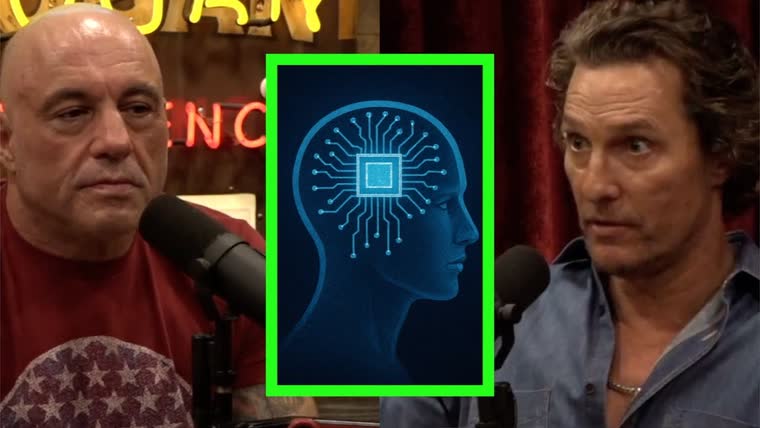
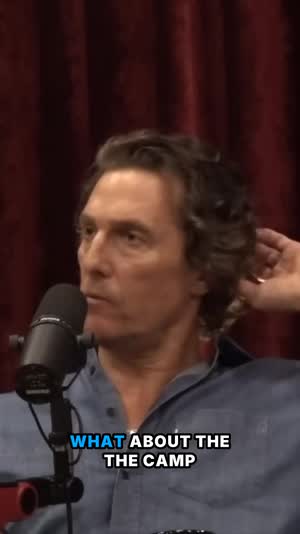
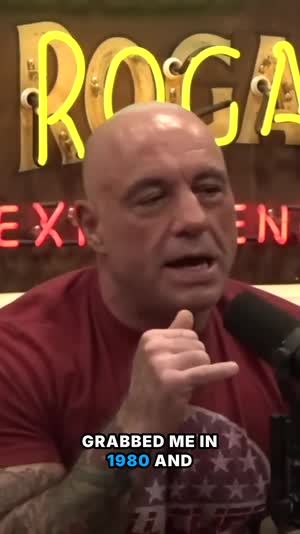
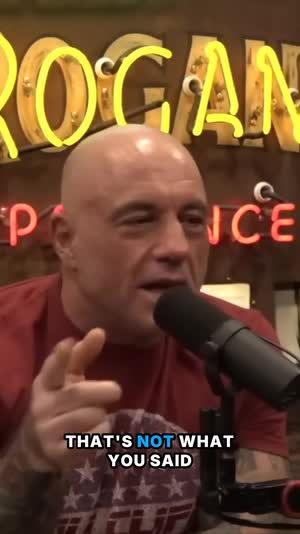
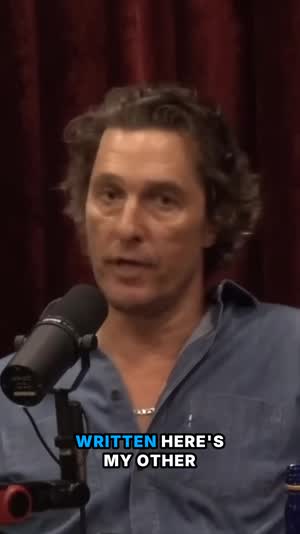
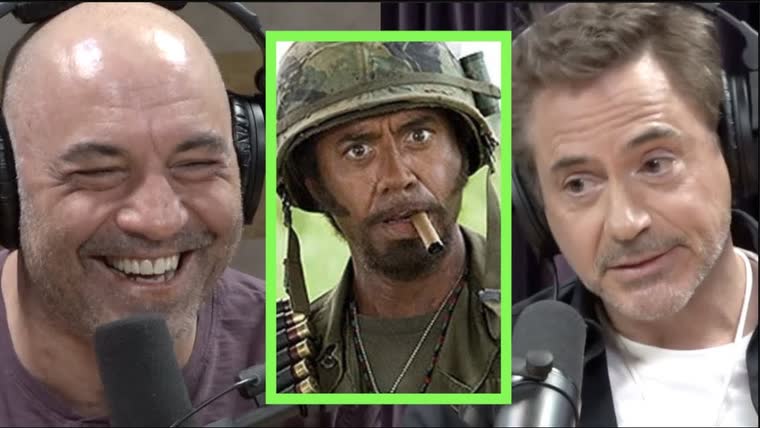
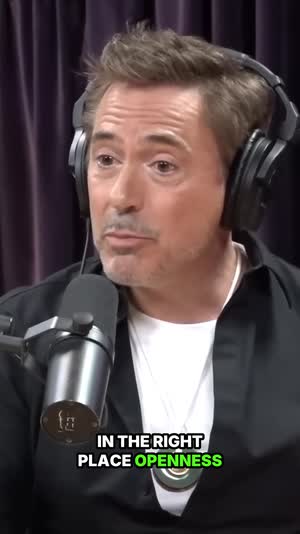
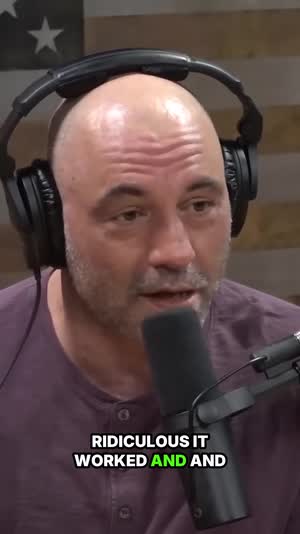
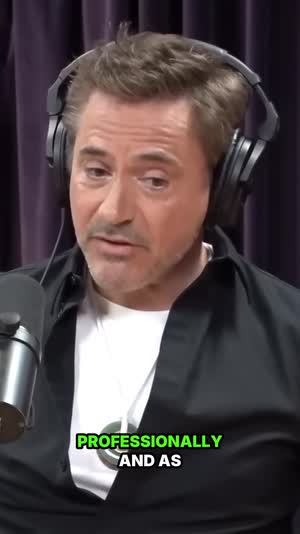
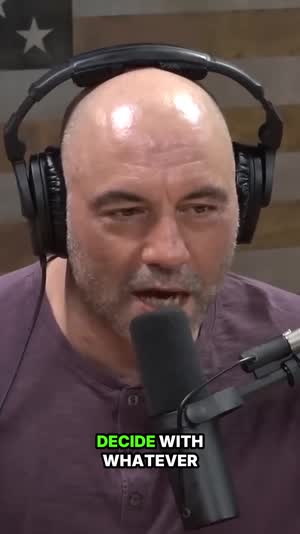
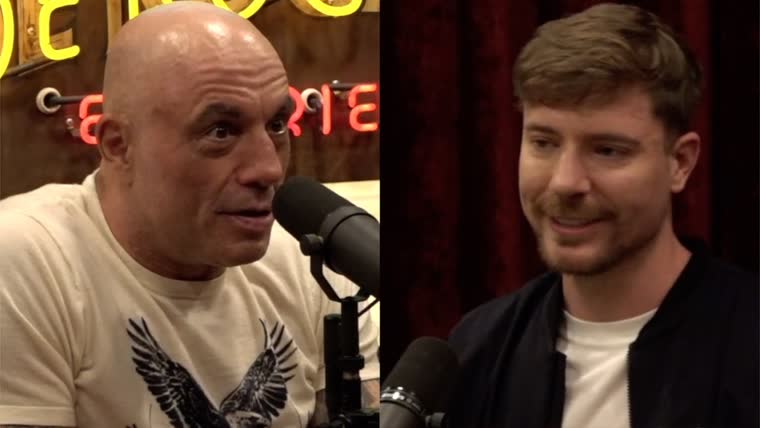
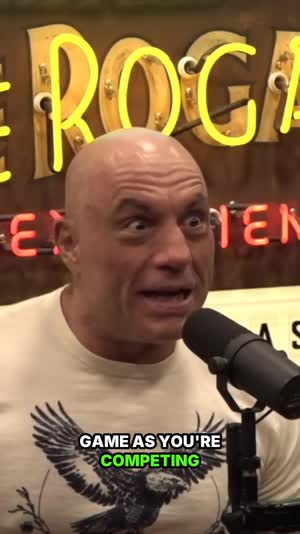
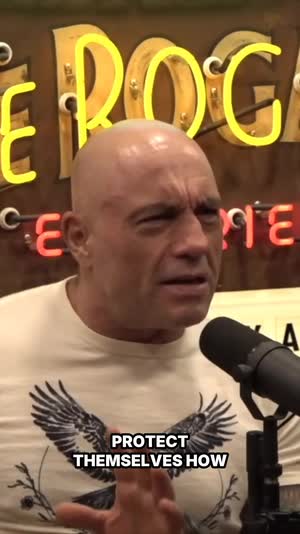
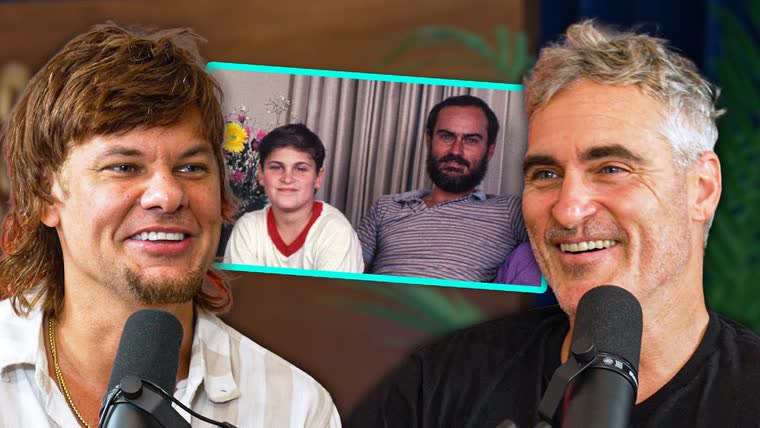
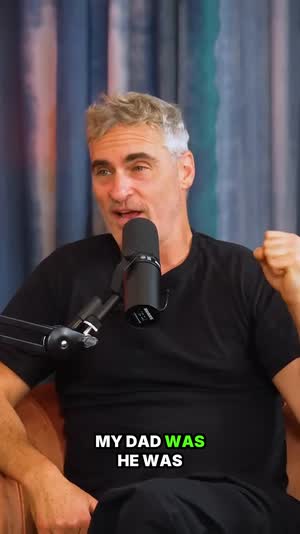
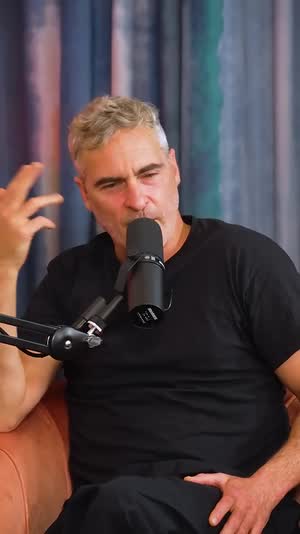
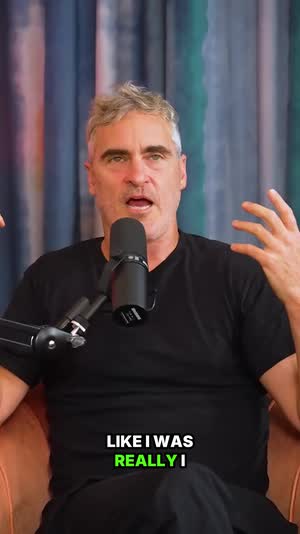
Real ClipSpeedAI output — every clip below was scored, cut, reframed to 9:16 and captioned automatically from the video above it.
Cutting a long video into TikToks
You give it one thing. It gives back a queue.
1
Drop in the source
Paste a YouTube link or upload the file — a stream VOD, a podcast recording, a talk, a client interview. Nothing gets installed and there is no project file to manage. Two hours per upload on every plan, the $1 trial included, which is plenty of runtime to see whether the cuts match your instincts.
2
The AI does the finding, not just the trimming
A cutter that only trims still leaves you watching an hour to decide where to trim. Here the model reads the entire transcript, marks the segments that work with no setup and no context, and cuts each one so it starts and finishes on a complete sentence rather than mid-breath.
3
Review, then fill the calendar
Cuts come back vertical, captioned and scored. Because TikTok rewards posting often, the useful move is to take the top handful and schedule them across the next few days straight from the review screen instead of posting them all in one afternoon and going quiet.
Built around how TikTok actually renders video
The app draws its own interface over your clip. Half of these features exist because of that.
📱
Full-bleed vertical, no grey bars
A landscape video pasted into a vertical canvas leaves bars above and below, and on TikTok that reads instantly as recycled from somewhere else. Cuts fill the frame edge to edge with the crop following whoever is talking, so the clip looks like it was shot for the app rather than borrowed.
🚫
Captions kept out of the UI zones
TikTok stacks buttons up the right side and puts your handle and description across the bottom. Any text burned into those areas is simply gone on a real phone. Word-by-word captions are positioned to stay clear of both, which is a detail almost nobody checks until a clip is already live.
⚡
Openings that do not waste the first second
Scroll speed on TikTok is the tightest of any feed, and a clip that spends three seconds clearing its throat has already lost. Filler, false starts and dead air are removed, and cuts are built to begin at the start of a thought rather than during the wind-up to one.
📊
A score to run a posting queue with
One long recording can produce more cuts than you have days in the week. The 0-100 grade puts them in order, which is what a daily posting habit actually needs — not more clips, but a defensible answer to which clip goes up today.
🔁
Volume, because TikTok is a testing game
A single clip on TikTok tells you almost nothing; a dozen tells you what your audience responds to. Getting to a dozen was always the barrier, and cutting them in one pass rather than one evening each is what makes that kind of testing realistic.
🎨
Eleven caption styles to match your account
Caption styling is most of the visual identity of a TikTok. Picking one style and staying with it makes a viewer recognise your clip in a feed before they read a word of it, and the Brand Kit will hold your colours and font so every cut matches the last.
🗂
Layouts for interviews, screens and gameplay
A two-person conversation cut with a single centre crop shows neither face properly. Split-screen keeps both, the grid handles a panel, screen-share keeps a shared window readable, and picture-in-picture puts a webcam over gameplay for the clips that need it.
📅
Scheduled posting to TikTok
Connect the account and queue cuts ahead instead of setting a reminder to post manually every day. Consistency beats intensity here, and a scheduler is the only version of consistency that survives a busy week.
🤖
Ask Claude to cut it for you
ClipSpeedAI is available as an MCP connector, so you can hand Claude a link and get finished TikTok cuts back in the conversation. If you would rather automate it, the same engine is exposed through the developer API.
Who cuts for TikTok this way
🎙 Podcast accounts
TikTok is where podcast clips find new listeners, and an episode holds enough of them to post all week. The podcast clip generator goes deeper on that workflow.
💰 Coaches and info creators
One clear answer to one specific question is the whole format. A recorded session usually contains several without you writing anything new.
🎮 Streamers
Stream VODs are the highest-volume source there is. Clips can also be cut during the broadcast if you want them the same night — see the livestream clip generator.
🛍 Brands and small businesses
Founder interviews, demos and customer calls already contain the honest, unpolished talking that outperforms produced ads on this platform.
✂️ Clip and fan accounts
Throughput is the entire business model. Scoring matters most where you are choosing between forty candidates for three slots a day.
🎬 Agencies running client accounts
Five clients each needing daily posts is thirty-five clips a week. That is a staffing problem until the cutting stops being manual.
TikTok is a cadence problem before it is a quality problem
Accounts that grow here are usually not the ones making the single best video. They are the ones posting often enough for the feed to work out who their content belongs in front of. Every clip is a test, the cost of a failed test is basically nothing, and the accounts that run more tests learn faster.
The reason most people do not post daily is that each clip used to cost an evening. Find the moment, crop it, caption it, time the captions, export, upload. Nobody sustains that for thirty days, so the pattern is a burst of five posts and then three weeks of silence, which is the worst possible signal to send a feed that is trying to learn what you make.
Cutting a queue in one sitting inverts it. You spend twenty minutes once, and the next two weeks are already filled. Nothing about that promises a hit — it just puts you in the only position from which hits happen.
What makes a cut look native rather than recycled
Grey bars are the first giveaway. A 16:9 clip dropped into a vertical canvas with padding top and bottom announces that it was made somewhere else, and viewers have learned to scroll past that shape before processing what is in it. Filling the frame with a tracked crop removes the tell.
A logo from another app is the second. Whatever the exact effect on distribution, a competitor watermark visibly marks a clip as a repost, and it is a strange thing to hand a platform when a clean export costs nothing on a paid plan.
The third is caption feel. TikTok viewers are used to fast, word-level text that punches along with the speech. A block of static subtitles sitting in a grey box reads as a subtitle track, not as a TikTok, and it does not hold a muted scroller in the same way.
None of this is about polish. Rough, honest footage does extremely well here. It is about the specific formatting signals that say a clip was built for the app instead of exported from an editor with the wrong preset.
What the cutter will not do for you
It does not pick trending sounds. Choosing a sound is a judgement about what is spreading this week, and it changes faster than anything a cutting tool should be automating. The cuts come out with your original audio, which is the right default for talking content and the wrong one for a dance trend.
It does not write your caption text or your hashtags, and it does not generate footage. There is no AI video, no synthetic B-roll, no cloned voiceover — every frame you get back was in the recording you supplied.
And it does not know your niche. A clip that scores 78 might be the one your particular audience loses their mind over, because the model has never met them. The score is a strong first pass on structure and delivery, not a replacement for the thing you know about your own comments section.
When cutting a long video for TikTok is not the right move
If the long recording is the product — a paid course, a members-only stream, a client deliverable — then cutting it into a public feed is a distribution decision before it is an editing one. It is worth making that decision on purpose. Plenty of accounts have clipped away the reason anyone had to subscribe, and no tool is going to warn you at the point of upload.
If the value of the moment is visual and nobody narrates it, this is the wrong instrument. Selection reads what is said, so the hardest case is the one that looks easiest: a montage with music over it, where every beat is obvious to you and completely invisible to a transcript. What comes back will be arbitrary, and arbitrary is worse than nothing because it looks like a result.
If you want exactly one clip and you already know where it sits, dragging two handles in whatever editor is on your machine is faster than starting a job. Everything here is priced against not having to watch the hour, so when you have already watched the hour there is nothing left to buy.
And if TikTok is not where your audience actually is, a full queue only gets you to the same place sooner. The biggest mistake we watch people make is treating cadence as a strategy on a platform their account was never going to work on. Put two or three cuts up and see whether anyone at all finds them before you build a fortnight of posts on the assumption.
Mistakes that get a perfectly good cut ignored
Front-loading context is the biggest one. Explaining who you are and what podcast this is from before getting to the point costs you the only seconds that were ever in play. Start on the sentence that makes someone stop, and let the context arrive afterwards if it arrives at all.
Posting five clips in one hour and then nothing for eight days is the second. Bunching gives a feed no consistent signal to learn from and gives your audience no reason to expect anything, which is why the scheduler matters more here than on any other platform.
Leaving another app's branding in the corner is a third, and it is entirely avoidable on a paid export. So is uploading a clip with the description still empty — the text under a video is read by both the viewer and the app, and skipping it is throwing away free context.
The subtlest one is judging a clip by whether you like it. Your taste was formed by knowing the full recording; a stranger arrives with nothing. If a cut only makes sense to someone who heard the previous ten minutes, it is not a TikTok, however good the moment was in the room.
Export choices and settings that change how a cut lands
Settle the caption style before you render a batch rather than after. The text is written into the pixels, so switching style means putting every clip through the renderer again instead of toggling a layer, and across a queue of twelve that is the difference between a decision and an afternoon. Pick one of the eleven, hold it for a month, and let it become the thing people recognise before they read a word.
Leave the ratio at 9:16 unless you have a specific second destination in mind. Square and landscape renders are available from the same cut and they are one click, but each extra ratio doubles the number of files you have to keep straight, and TikTok only ever wanted the vertical one.
Choose the layout from what is on screen rather than from habit. A two-shot wants split-screen, a panel wants the grid, gameplay wants picture-in-picture with the camera over the action, and a session that lived in a shared window wants the screen-share layout. Applying one layout across a mixed recording is the case where a third of a batch comes back unusable and nobody notices until posting day.
Put your own mark in the Brand Kit rather than leaving the frame bare, and keep it out of the lower strip and the right-hand column where the app draws its own furniture. Paid exports carry nothing of ours, so the only badge in that frame should be one you chose deliberately.
Cutting your own clips by hand, and what that actually costs
Time one honestly before deciding anything. Find the moment, set the in and out points, crop to vertical and keyframe the crop so the speaker stays inside it, generate captions and correct the misheard words, lift the text above the button column, strip the ums, export, upload. For a clip you already knew about, that is twenty to forty minutes. For a clip you did not, add the runtime of the recording to the front of it.
Say you stream four hours on Kick twice a week. That is eight hours of source, and anybody reviewing it faster than half speed is not really reviewing it. The arithmetic is what defeats the manual route on this platform specifically, because TikTok pays for frequency and frequency multiplies whatever the per-clip cost happens to be.
A good human clipper still wins on any individual cut, and it is worth saying so plainly. They know the running joke, they know which guest the audience turns up for, and they will let a beat breathe where a model trims it flat. That gap is real. It is simply narrower than the gap between posting daily and posting whenever you get round to it.
The version that works in practice is layered rather than either-or: let the model produce the volume and the ordering, then spend your judgement on the top three. Most creators find that the editing they actually miss is not the cutting at all, it is the choosing, and choosing is the part that never left.
Alternatives worth trying before you automate anything
Shoot vertically in the first place. If you are recording specifically for this platform and you control the camera, a native vertical take beats any crop of a landscape source, because no reframe recovers information that was never captured. Everything on this page is aimed at footage that already exists, not at talking you out of filming for the app.
Use the platform clip button when the source is a stream. Twitch and Kick both ship one, it costs nothing, and it fires the instant a human notices something. For example, a moderator with a hotkey will catch a reaction that a transcript-driven pass values at forty-something because nobody said anything quotable during it. What the hotkey cannot give you is a vertical crop, word-by-word captions or any ordering across four hours, which is why streamers who use both treat it as a bookmark and the automatic pass as the sweep.
Hire a clipper on revenue share once the account is earning. That arrangement buys taste rather than throughput and it aligns far better than paying per post. It also gets expensive early, which is the only reason most accounts do not begin there.
Or automate none of it and post one well-chosen moment a week. One clip a week that you picked yourself beats a queue you abandon on day nine. Here's why that is a genuine option and not a consolation prize: the failure mode of automation is almost never bad clips, it is a full library that nobody ever publishes from.
What running this queue at volume has taught us
Observations from operating the pipeline in production — not general advice.
The selector has read the whole recording, and your viewer has not
Segment selection reads the full transcript, which is what makes it good at finding things and also what makes it wrong in a way that is hard to spot. A payoff line can score well because setup thirty minutes earlier gave it weight, and that weight does not travel inside a forty-second cut. The symptom is a clip that reads perfectly to you, since you were there for the setup as well, and reads as a fragment to somebody arriving cold. The check that catches it takes about ten seconds: read only the opening sentence of the cut and ask whether it stands up to a stranger. If it needs a pronoun resolved or a name introduced, move the in-point back one sentence.
There is no duration slider, because the speaker decides where the sentence ends
Cuts land on sentence boundaries, so the length of a clip is a property of how the person talked rather than a number anyone sets. A fast, declarative answer closes in twenty-two seconds; the same idea from someone who circles back twice runs past a minute. That is the reason you will never find a target-duration control here, and why two cuts from one recording arrive at noticeably different lengths. It has a practical consequence for a posting queue as well: you cannot plan slots by runtime ahead of time, so plan them by idea and let the boundary land wherever the thought actually finishes.
A shortlist arrives as one batch, and a feed wants the opposite
One submission is one read of one transcript, so everything it finds comes back together. A dense thirty-minute conversation might return twelve cuts and a meandering one might return four, which makes yield a property of the recording rather than something you can schedule against. Two things follow from that. A fixed daily cadence built on a variable yield is the habit that breaks first, so it is worth carrying a buffer of scored-but-unposted cuts instead of cutting to order. And every clip in a batch shares one source, one caption style and often one framing, so publishing six of them in an afternoon reads to a scroller as the same video turning up over and over.
Compared with the other ways to cut for TikTok
vs. cutting in the TikTok app
The in-app editor is genuinely good for something you shot on your phone thirty seconds ago. It is a poor place to work through a ninety-minute recording, because there is no way to review a long source or to produce a batch. Different tool for a different starting point.
vs. CapCut
CapCut will do more than this on any individual clip and it is free, which is a real argument. What it will not do is watch your hour of footage and tell you which ten moments are worth cutting. If you already have your timestamps, CapCut is fine. Finding the timestamps is the work being replaced.
vs. paying a clipper per post
Clippers are common on TikTok for good reason, and a good one understands your audience in a way no model does. The cost is per clip and the turnaround is measured in days. The usual arrangement that works is to let the AI produce the volume and let the clipper choose and polish, rather than paying them to scrub raw footage.
vs. other AI clip tools
Feature lists across the category look alike, so the only test worth running is your own footage through two of them. What is unusual here is live clipping during a broadcast, framing that keeps two-person conversations legible, and access from Claude or your own code. Cut one video for $1 and compare.
Frequently asked questions
How do I cut a long video into TikToks?
Paste the link or upload the file at the top of this page. The model reviews the whole recording, selects the segments that stand alone, cuts each to full-bleed vertical with captions, and returns them scored. You pick, tweak if needed, and schedule.
What size are the clips?
Full-frame 9:16 vertical, filling the screen with no letterboxing. Square and landscape renders are available from the same clip if you are also posting somewhere that wants them, but vertical is what TikTok is built around and what you get by default.
Will my captions get covered by the TikTok buttons?
They are positioned to avoid the right-hand button column and the bottom strip where your handle and description sit. This is one of the most common problems with clips exported from a general editor: perfectly readable on a desktop, half-hidden on a phone.
How long should a TikTok cut be?
Long enough to make one point and no longer. In practice that usually lands somewhere between twenty and sixty seconds for talking content, and the cut is built around a complete idea rather than a target duration. Platform maximums change, so we build for the idea rather than the ceiling.
How many TikToks can I get from one recording?
It depends on how much of the recording earns it. A tight thirty-minute conversation frequently produces six to twelve usable cuts; a rambling one produces fewer. We do not pad the count, because a weak cut in your queue costs you a posting slot.
Does it cost anything to cut my first video?
Yes — one dollar. The first video runs on the three-day trial, which takes a card up front and carries the full two-hour source limit, and Pro is $39 a month after it. We email before the trial converts, and cancelling is a single click.
Do the cuts have a watermark on them?
No. Trial exports and paid exports alike have none at all, which matters on TikTok specifically — another app's logo in the corner immediately identifies a clip as reposted from elsewhere.
Can I add my own logo instead?
Yes, through the Brand Kit, along with your fonts and colours. A consistent mark and caption style is a large part of how a viewer recognises your account when a clip reaches them for the second time.
Does it post to TikTok for me?
You can connect your account and publish immediately or schedule ahead. Queuing a week at a time is the pattern that actually holds up, because the failure mode of manual posting is missing three days and killing your own consistency.
Will it pick a trending sound?
No. Sound choice depends on what is spreading this week and it changes too fast to automate responsibly. Clips keep the original audio, which suits talking content — if you want a trending track over it, add that in the TikTok app before posting.
Does it write captions and hashtags for the post?
It produces a title for each clip that you can edit, but the post description and hashtags are yours to write. Those depend on your niche and on what you are testing that week, and a generic AI caption is easy to spot.
How does it handle a two-person interview?
By tracking whoever is speaking, and by using split-screen where both faces need to be visible. A fixed centre crop on a two-shot frames the space between the chairs, which is the most common way a conversation clip gets ruined in conversion.
Can I use it for gaming clips?
Yes. Gameplay is detected and the picture-in-picture layout keeps your camera over the action so the reaction and the play are both visible in a vertical frame.
Does it cut out ums and pauses?
Every clip, automatically. On a forty-second TikTok removing filler often recovers four or five seconds, and those seconds come out of exactly the part of the clip where people decide whether to keep watching.
Can I trim a cut myself afterwards?
Yes. Adjust the start and end, change caption style, switch layout, edit the title, then re-render. Most of the time the only adjustment needed is pulling the opening in slightly tighter.
What if the AI picks moments I disagree with?
You are the tiebreaker, and disagreement on a few is normal. Run the $1 trial on a video where you already know the good parts — if the overlap is poor on your own content, you have learned that in one pass and for a dollar.
Can I cut clips from a live stream for TikTok?
Yes, connect a YouTube, Twitch or Kick channel and clips are produced while you are broadcasting. Posting to TikTok the same night, while the moment is still current, is a meaningfully different outcome from posting it tomorrow.
Does it work with vertical source footage?
It does. If you filmed vertically already, the reframing step has less to do and the value is in the selection, the captions and the pacing rather than in the crop.
What languages are supported?
Major languages are transcribed and captioned, with English the strongest. Since the cuts are chosen from the transcript, selection quality follows transcription quality, so test one video in your language before you build a schedule on it.
How fast is processing?
A few minutes for a typical recording, depending on length and how busy the queue is. You can close the tab and come back; the cuts sit in your library waiting rather than requiring you to babysit a progress bar.
Can I run several accounts through it?
Yes, and agencies do. The Brand Kit is the part that keeps client accounts visually distinct, and for larger volumes the
API is a better fit than clicking through the dashboard for every source file.
Does it work on my phone?
Yes. Pasting a URL, reviewing the shortlist and downloading a cut all work in a mobile browser, so you can keep the queue topped up without opening a laptop.
Is my footage used for anything else?
It is processed to produce your clips and nothing is published on your behalf. The output belongs to you. How data is stored and handled is set out in the
privacy policy.
Can I cut someone else's video for a fan account?
The tool will accept the URL. Whether you are permitted to post it is a matter of copyright and of TikTok's own rules, and that judgement sits with you rather than with us.
How is this different from a normal video trimmer?
A trimmer executes a cut you have already decided on. This decides where the cuts are, then frames, captions and paces them for one specific app. If you know your timestamps, a trimmer is faster; the point here is not having to find them.
What happens if I cancel?
Billing stops and you keep access until the current period ends. It takes one click from the account page, and a reminder lands in your inbox before the $1 trial turns into a monthly plan.
Fill next week's TikTok queue tonight
Take the longest thing you have recorded recently and cut it once. Whether the queue fills is a question you can answer in a single pass.
⚡ Cut My TikToks — $1 trial
3-day trial · just $1 · cancel anytime