One long video, converted into shorts that fit anywhere
Upload a file or paste a link and get back short vertical clips built for Shorts, TikTok and Reels at once — reframed rather than squashed, captioned in the frame, cut on complete sentences, and each one graded so you are not guessing which to publish.
🎬 Enter any URL under 2 hours
⏱ That video is longer than we can process
Upload a file or paste a URL
9:16, 1:1 and 16:9 out of one source
Reframed, not letterboxed
Captions kept out of the UI overlay
One conversion feeds three platforms
One long video in, a week of posts out
Paste a link. Get the best moments.
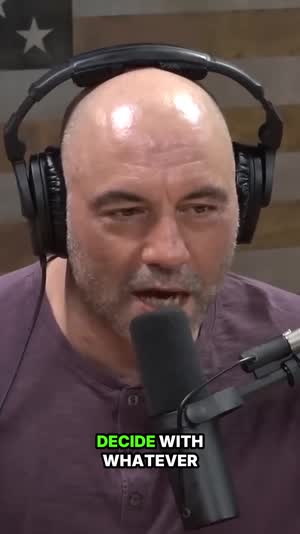
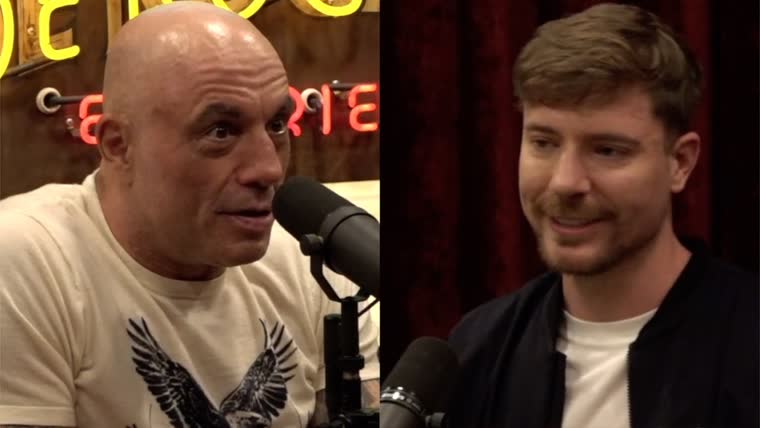
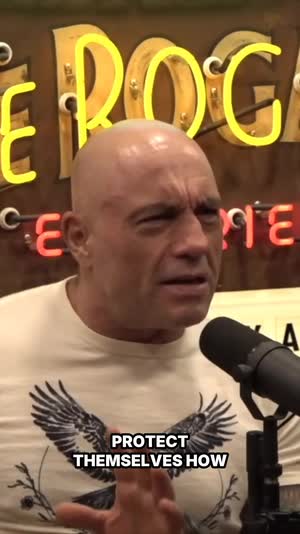
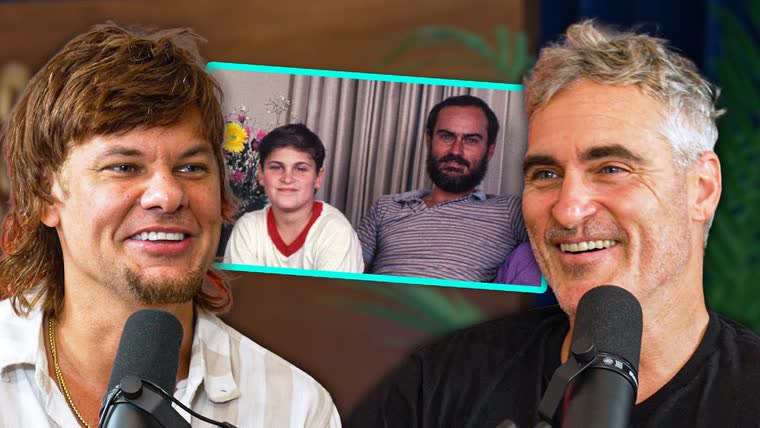
Real ClipSpeedAI output — every clip below was scored, cut, reframed to 9:16 and captioned automatically from the video above it.
The conversion is three decisions, and the tool makes all three.
1
Bring the source in
Drag in an MP4 or MOV, or paste a link if the video already lives on YouTube. Webinar exports, Zoom recordings, screen captures, a camera file straight off a card — the input shape does not matter much, since everything is normalised before anything else happens. Every plan takes source video up to two hours per file, the $1 trial included, with a two-minute floor at the other end.
2
It decides what becomes a short
Conversion is not a resize job. Something has to choose which forty seconds of a fifty-minute recording deserve to be a short at all, and that is the decision being automated: the model reads the full transcript, marks the segments that hold up without setup, and cuts each one so it opens at the start of a sentence.
3
Take the output in whatever shapes you need
Each short comes back vertical by default, captioned and scored 0-100. Square and landscape versions can be rendered from the same clip when a destination wants a different shape, so a single conversion pass covers your Shorts slot, your TikTok slot and a 16:9 cut for a site embed without a second upload.
What conversion actually involves
Four separate problems hide inside the phrase "convert to shorts". Here is how each is handled.
📐
Reframing instead of shrinking
Going from 16:9 to 9:16 throws away about three quarters of the width. The lazy versions of this either letterbox the whole frame into a vertical box with grey bars top and bottom, or lock a crop to dead centre. Tracking the active speaker moves the crop where the content is, which is the only version that looks intentional.
✂️
Choosing the moment, not just the format
A converted file is worthless if the forty seconds inside it were chosen at random. Segment selection is the part of conversion that actually determines whether anyone watches, and it is why this is a different product from a format converter that hands back the whole runtime in a taller box.
🔤
Captions placed where the app is not
Every short-form app draws its own interface over your video: a caption and handle across the bottom, a column of buttons up the right. Text that sits in those zones is unreadable on the platform even though it looked fine in your export. Burned-in word-by-word captions are positioned to stay clear of that furniture.
📱
Three destinations from one pass
Shorts, TikTok and Reels all want a vertical file and all differ in the details around it. Producing one properly framed vertical master with in-frame captions is what makes the same clip work in all three without a per-platform re-edit, which is where most of the manual time in cross-posting goes.
🗂
Seven layouts for seven kinds of source
A talking head converts differently from a two-person call, and both convert differently from a screen recording where the slide is the point. Fill, fit, split, three-up, four-up, screen-share and gameplay picture-in-picture cover the realistic shapes of source material rather than pretending every video is a face in the middle.
📊
A grade on each converted clip
Convert a long recording and you get more shorts than you have slots to post. Scoring each one 0-100 turns that surplus into a running order, and a running order is what stops a conversion job from becoming a folder you never open again.
🧹
Tightened while it is converted
Filler words, false starts and silence get removed in the same pass. Original footage is usually paced for a longer format, and short-form is unforgiving about the first three seconds, so cutting the slack is part of conversion rather than an optional extra.
🎨
Consistent branding across the output
The Brand Kit holds your fonts, colours and logo and applies them to everything converted, so twenty shorts from four different source recordings still look like they came from one account. Consistency is doing more work for recognition than any individual clip is.
🤖
Convert from Claude or from code
The MCP connector means you can ask Claude to convert a video and get the shorts back in the chat. For pipelines that need conversion as a step — a media team turning every published recording into shorts automatically — there is an API behind the same engine.
Common conversion jobs
💻 Webinar and Zoom recordings
A 16:9 call recording is the most common thing people need converted, and the worst thing to centre-crop. Speaker tracking and split layout are what make a recorded call survive the trip to vertical.
📺 YouTube back catalogue
Years of landscape uploads convert into short-form supply without filming anything new. The YouTube Shorts maker covers that path specifically.
🎓 Course and lecture libraries
Long teaching recordings hold self-contained answers that work as standalone shorts. Converting them creates search-friendly entry points back to the full course.
🏢 Internal comms teams
All-hands recordings and training sessions get watched far more as ninety-second verticals on a phone than as an hour-long link in an email nobody opens.
🎮 Ultrawide gameplay capture
A 21:9 capture loses even more width than 16:9 when it goes vertical. Picture-in-picture keeps the camera visible while the action fills the frame rather than being shrunk into a stripe.
📣 Agencies with mixed client footage
Client footage arrives in every shape imaginable. A single conversion path that copes with all of it is worth more than a slightly better result on one specific format.
Conversion is a set of decisions, not a resize
Type "convert video to shorts" into a search bar and half the results are format converters: pick an output size, press go, receive the same video in a different box. That solves a problem almost nobody has. Your fifty-minute recording is not too wide, it is too long, and no amount of resizing fixes that.
The decisions that actually make up a conversion are which segment to keep, where to point the frame within it, how to keep it legible with the sound off, and how tightly to pace it. All four have to be made for every clip. Doing them by hand takes fifteen to thirty minutes each, which is why most long video never gets converted at all rather than getting converted badly.
Handing those four decisions to a model changes the economics rather than the ceiling. A skilled editor will beat the automatic version on any single clip. The automatic version produces the twenty clips that would otherwise have been zero.
One vertical master, three platforms
People assume each platform needs its own edit. Mostly they do not. A clean vertical clip at a standard high-resolution 9:16, with legible burned-in captions kept away from the edges, is accepted everywhere and looks right everywhere. The differences between the apps sit in metadata, length rules and posting behaviour rather than in the video itself.
Length is the one place to pay attention, and it is also the thing platforms change most often, so we do not print a table of limits that would be stale within a quarter. The durable advice is that shorter usually wins on all three, and that a clip built around one complete idea tends to land in the range every platform accepts anyway.
The other durable rule is safe zones. Each app overlays its own controls and text on your video, and anything you burn into the lower portion or the right-hand strip risks disappearing behind them. Captions are placed with that in mind, which is a small detail that quietly ruins a lot of otherwise fine exports.
What this converter is not for
It is not a general-purpose transcoder. If what you need is an H.265 file rewrapped as H.264 or a bitrate ladder for your own player, use ffmpeg or your existing encoder; nothing here is aimed at that job and you will be happier with a real tool.
It is also not for video with no spoken content. Selection reads the language of the recording, so a silent timelapse, a music video or a wordless montage offers nothing to choose from. The result would be arbitrary segments, and arbitrary segments are not shorts.
And it will not invent footage. There is no AI video generation, no synthetic stock footage and no machine-made narration — everything that comes out was in the source you supplied. That constraint is deliberate, and for anyone converting real recordings of real people it is the point rather than a shortcoming.
Conversion mistakes that only show up on the phone
Burning text into the bottom third is the classic one. On a laptop preview it looks balanced and centred; on a real device it sits underneath a username, a description and a music ticker. Anything you want read has to live in the middle band of the frame, and that includes logos.
Padding a landscape clip into a vertical canvas is the second. Bars top and bottom are read by viewers as a signal that the clip came from somewhere else and was not worth reformatting, and they scroll before deciding whether the content is good.
A third one is converting the clip but not the pacing. The same forty seconds that works inside a fifty-minute video, where the audience has committed, dies in a feed where the first two seconds decide everything. Cutting the run-up is not optional in short form.
And the quietest failure is converting from an already-compressed re-upload. Every generation of re-encoding costs detail, and a short made from a screen recording of a stream of a compressed export looks exactly as rough as that chain implies. Go back to the highest-quality source you still have.
Converting by hand versus handing it to a model
Do one conversion manually and you will know exactly what is being automated. Scrub the recording, mark the segment, cut it, drop it on a vertical canvas, keyframe the crop so the speaker stays inside it, generate captions, correct the four words the transcriber misheard, move the text out of the button column, tighten the pauses, export. Say you did that for a two-hour webinar: the cutting is perhaps twenty minutes per clip, and the watching that found those clips happened before any of it started.
Somebody doing that work will beat the automatic version on the individual clip almost every time. They will choose a braver in-point, keep the pause that lands, and notice that the useful half of an answer is the second half. None of that is in dispute and it is not what the comparison is about.
Most people who try to convert a back catalogue by hand produce four clips and then stop, and four clips is not a test of anything. Twenty decent ones tell you which two topics your audience reacts to. Four excellent ones tell you very little, because the variance in short-form performance is far wider than the quality gap between a hand cut and an automatic one.
So the division worth defending is to automate the pass, then spend your editing attention on the three clips that scored well rather than spreading it evenly over twenty. A two-second trim and a re-render costs almost nothing, and that is precisely where hand-editing earns its place.
Alternatives to an AI converter, and when to pick one
If you already know your timestamps, none of this is worth paying for. A trimmer, ffmpeg, or whatever editor you already own will handle the shape change and the export, and the selection step you would be buying is one you have already performed yourself. For example, a webinar team that logs every question as it is asked has effectively pre-selected, and should be shopping for a cutter rather than a chooser.
If the source has no speech — a music video, a silent timelapse, a wordless product montage — selection has nothing to rank, because it reads language rather than pictures. In that case the honest alternative is a person with a timeline, and no amount of re-running changes the answer.
If what you need is genuinely a format conversion, a codec change, a rewrap or a bitrate ladder for your own player, then ffmpeg and HandBrake are free, better at it, and not competing with anything here. Pointing a content tool at an encoding job is the one misuse that reliably wastes an afternoon.
And if you produce one flagship recording a quarter rather than a weekly feed, an editor for hire will give you a better result than any pipeline. The economics only flip when the same job comes round every week: a quarterly showpiece is worth a person, an ongoing grind is worth automation. Worth knowing which of the two you actually have before you commit to either.
A repeatable workflow for a back catalogue
Start with your three best-performing long videos rather than your newest. Content that already proved it resonates is the safest supply, and if the converted shorts do not work from that material, they will not work from the rest either.
Convert in batches and review in one sitting. Switching between converting and posting all day is how the habit dies; an hour on Monday producing fifteen shorts, scheduled out across two weeks, survives a busy calendar in a way that daily improvisation does not.
Keep the clips that scored well but did not get posted. A converted library is an asset — when a week goes sideways, having eight finished verticals waiting is the difference between staying consistent and disappearing for ten days.
Re-convert selectively rather than exhaustively. If a short performs, the source it came from almost certainly holds two or three more, and going back to a proven recording beats working through the archive in chronological order.
What conversion looks like from inside the pipeline
Observations from operating the pipeline in production — not general advice.
On an upload the duration is not knowable until the file has arrived
A pasted link can be checked before anything is fetched, because the runtime is published metadata sitting next to the video. An upload cannot be: the browser streams the bytes first, and the duration only becomes readable once the whole file is on our disk. That ordering used to mean a three-hour recording could finish a long upload over a hotel connection and only then be told the ceiling is two hours per file, which is the worst possible moment to learn it. The fix was a preflight call that sends the duration ahead of the file and gets a yes or a no before a single byte moves, and it is why the size of your source now matters far less than it did.
A square render keeps nearly twice the width that a vertical one does
This is arithmetic rather than taste, and it settles more conversions than any option on the page. Take a 1920 by 1080 source: a full-height 9:16 window cut from it is 608 pixels wide, while a full-height 1:1 window is 1080. Vertical therefore throws away about 68 per cent of the original width and square throws away about 44. That gap is the reason a two-person conversation which cannot survive the vertical crop frequently survives the square one intact, and why trying 1:1 is worth a minute before you write off a wide two-shot. It also explains why a 21:9 gameplay capture is the hardest case here — the vertical window is barely a quarter of the frame it came from.
A re-uploaded source degrades the selection before it degrades the picture
Everybody expects a re-upload to look softer, and it does. What surprises people is that the first thing to break is not the image, it is the choice of moment. Selection runs on a transcript, and every generation in the chain — a screen capture of a stream, exported again, uploaded again — takes another pass at the audio, which is the track nobody inspects before submitting. A slightly mangled transcript yields slightly wrong segment edges and a shortlist that is quietly worse in a way that reads as the model having poor judgement. In practice, going back one link in that chain to the best file you still hold fixes more converted clips than changing any setting here.
Compared with the other routes
vs. an online aspect-ratio converter
Those change the container shape and hand back the same content. You still have a fifty-minute video, now vertical, which no feed wants. They are useful when you already know your clip and only need a shape change; they do nothing about the part that takes the time.
vs. CapCut or Premiere by hand
Both can do everything described here and more, with total control, given the hours. The honest gap is repetition: converting one clip is a pleasant twenty minutes and converting twenty is a lost weekend. Use an editor for the piece that has to be perfect and automate the queue behind it.
vs. auto-reframe inside an editor
Auto-reframe features handle the crop reasonably well and stop there. You still choose the segment, still add and time captions, still cut the filler, still export each one. Reframing was never the expensive step — deciding what to convert was.
vs. the rest of the AI clipping category
The core loop is similar across the category, so judge on output. Two things here are uncommon: shorts can be produced from a live broadcast rather than a finished file, and the whole thing is callable from Claude or your own code. Convert one of your own videos and compare the framing before deciding anything.
Frequently asked questions
What file types can I upload?
Standard video files including MP4 and MOV cover almost everything people bring. If your footage is in an unusual codec, exporting a normal H.264 MP4 from whatever produced it is the reliable path and takes a couple of minutes.
Can I convert straight from a URL instead of uploading?
Yes, and for anything already on YouTube that is the faster route because nothing has to leave your machine. Uploading is there for footage that was never published — a Zoom export, a client file, a raw camera recording.
How long can the video be?
Up to two hours per file, and that cap is the same on the $1 trial as it is on every paid plan. If your source runs longer than two hours, splitting it at a natural break usually produces better selection anyway, since each half gets judged on its own merits.
Does it convert landscape to vertical properly?
That is the main job. Rather than centring a fixed crop, the frame follows the person speaking, which avoids the classic result where a two-person conversation converts into a shot of the wall between them. Split-screen is used when both people need to be visible.
Can I get square and landscape versions too?
Yes. 9:16 vertical, 1:1 square and 16:9 landscape are all available, and you can render an existing clip into a second ratio without reprocessing the source. Teams often take vertical for social and 16:9 for a site embed.
Will the captions be hidden behind the app interface?
They are placed to avoid the zones where TikTok, Reels and Shorts draw their own text and buttons. That is a genuine failure mode with hand-made exports: the text looks fine in your editor and sits under a share button on the phone.
Are captions burned in or a separate file?
Burned into the video itself, word by word, in your choice of eleven styles. Burned-in text survives re-uploading anywhere and cannot desync, which matters when the same clip is going to three platforms with three different caption systems.
How many shorts do I get from one conversion?
It depends entirely on how much usable material the source holds. A forty-minute interview often yields eight to fifteen; a tight fifteen-minute talk might yield three. The number reflects the footage rather than a target we are hitting.
Is there a cheap way to convert one video first?
There is no unpaid version — the way in is a $1 trial for three days, which takes a card before the first conversion and then runs your own material at the full two-hour cap, enough to judge the framing and the moment selection. It is $39 a month for Pro after that, cancellable in one click.
Do converted clips have a watermark?
No. Trial and paid exports alike come out clean, and if you want a mark on them it will be your own logo through the Brand Kit rather than ours.
Can it convert a video with more than two people?
Yes. Three-up and four-up grid layouts exist for panels and group calls, so everyone stays visible instead of the frame ping-ponging between speakers every few seconds, which is exhausting to watch vertically.
What about screen recordings and slide decks?
There is a dedicated screen-share layout that keeps the shared content readable in a vertical frame. Text-heavy slides are always a compromise at this size, so the best results come from recordings where the speaker is doing the explaining and the slide is support.
Does it work on gameplay footage?
Yes, including ultrawide captures. The picture-in-picture layout keeps your camera over the action rather than shrinking the whole capture into a horizontal strip surrounded by empty space.
Will it convert a video with no talking?
Not usefully. Segment selection depends on the transcript, so a silent montage, a music video or a wordless timelapse gives the model nothing to choose between. For that kind of source you are better off cutting by hand.
Can I fix a clip if the cut is slightly off?
Yes. In and out points, caption style, layout, aspect ratio and title are all editable before you re-render. In practice the common tweak is trimming a second from the front, which takes about ten seconds.
Does it remove filler words and pauses?
It does, automatically. Source footage is usually paced for its original long format, and short-form punishes slack openings, so tightening is folded into conversion rather than left as something you remember to do.
Can I schedule the converted clips?
Yes — link your TikTok, Instagram and YouTube accounts and the queue is built from the same review screen. Converting once a week and scheduling the output is a far more sustainable rhythm than converting something the morning you want to post it.
Is this a video transcoder?
No, and it should not be used as one. If you need a codec change, a rewrap or a bitrate ladder for your own delivery, use ffmpeg or your normal encoder. This tool converts long-form content into short-form content, which is a content problem rather than an encoding one.
Does it generate any new footage?
None. There is no AI video generation, no synthetic B-roll and no generated voice. Everything in the output came from the file or link you supplied, which is what you want if the footage is of real people saying real things.
Can I convert in bulk?
Through the API, yes, which is the right approach for a back catalogue or an ongoing feed of recordings. Submission, polling and retrieval are documented at developers.
Can I run a conversion from a tablet or phone browser?
Yes. Pasting a link, reviewing the shortlist and downloading a finished clip all work in a mobile browser, which covers the whole loop when you are away from a desk. Uploading a large file over mobile data is the only part worth avoiding.
What resolution do clips come out at?
A standard high-resolution vertical frame suitable for all three major short-form platforms. The practical limit is your source: converting a 480p recording produces a 480p-looking short no matter what the output frame says.
Can I convert a livestream instead of a file?
Yes, and it happens during the broadcast rather than afterwards. Connect a YouTube, Twitch or Kick channel and clips are cut live — see the livestream clip generator for how that session works.
What happens to my upload afterwards?
The file is used to produce your clips and nothing is posted anywhere on your behalf. Whatever comes out is yours to use however you like. How long files are kept and what we do with them is set out in our privacy policy.
How do I know if the conversion quality is good enough for my footage?
Run a piece of your most typical source through the $1 trial and look at two things: whether the frame stays on the right person, and whether you would have picked the same moments. Those two answers tell you everything a feature list cannot.
Can I cancel the $1 trial?
Yes, one click from your account, and access continues to the end of the period you already paid for. A reminder email goes out before the trial converts, so the first monthly charge is never a surprise.
Convert something you already published
Your back catalogue is the cheapest short-form supply you have. Take one old recording, run it through, and see how many usable verticals were sitting inside it.