One long video in, a week of posts out
Paste a link. Get the best moments.
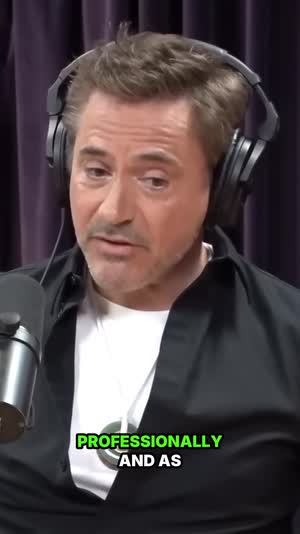
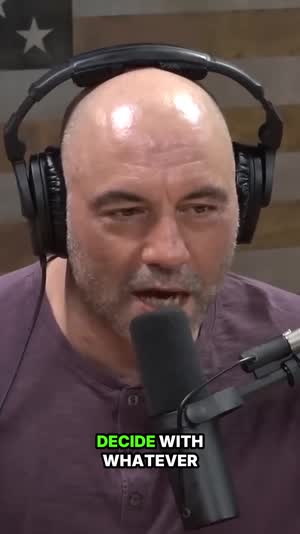
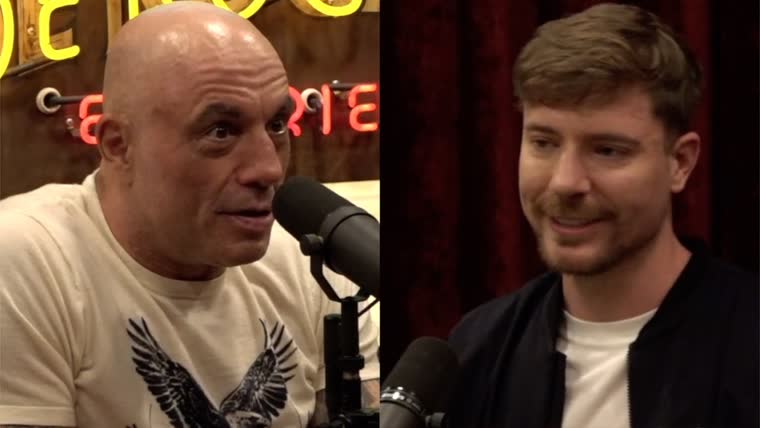
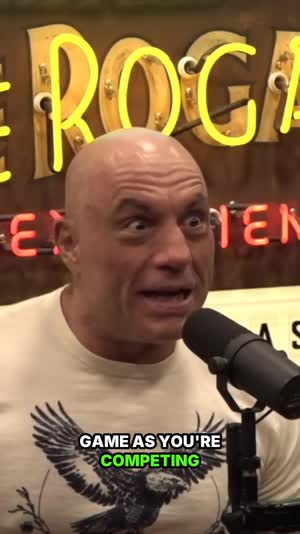
Real ClipSpeedAI output — every clip below was scored, cut, reframed to 9:16 and captioned automatically from the video above it.
How to clip a VOD without watching it again
The archive is already recorded. All that is left is the finding.
1
Get the archive in
If the stream was exported to YouTube, paste that link and you are done. For a Twitch or Kick archive, download the VOD from your dashboard and upload the file here — a channel VOD page is a player, not a video file, so a link to it will not do. Each upload takes source video up to two hours long on every plan, which for most streamers means one session is one or two passes.
2
It reads the whole session
The model goes through the runtime looking for where the energy actually changed: the story you told for six minutes, the clutch play, the moment the room went quiet, the tangent that turned into the best part of the night. Downtime, queue waiting and the pre-stream screen do not compete for a slot, so nothing in the shortlist is filler.
3
Take the top ones and move on
Every clip comes back vertical, captioned and graded, which means you triage instead of scrub. Post the highest scorers this week, keep the rest banked, then start the next archive. Working a backlog is a volume problem, and the only way through it is not rewatching anything.
What a VOD needs that a normal upload does not
Stream archives are long, uneven and mostly empty. Every item here is a response to one of those three facts.
🏜
Downtime does not survive the cut
A stream is a few great minutes suspended in a lot of queue time, tech fiddling and reading chat silently. Silence and filler words are stripped from every clip automatically, so what lands in your library is the dense version of a moment rather than the version with forty seconds of loading screen attached.
📊
A grade so a backlog becomes a queue
One two-hour archive can hand back sixty candidates, and thirty archives can hand back well over a thousand. Without ranking, that is just a bigger version of the problem you started with. Each clip carries a 0-100 score based on its opening, its pacing and where its peak sits, which is what turns a heap into an order.
🎮
Picture-in-picture over the gameplay
Your cam is the reason people watch you rather than the game, and a naive vertical crop of a stream layout usually deletes it. The picture-in-picture arrangement keeps your face boxed over the action, which is the difference between your clip and anyone else playing the same thing.
🔤
Captions that survive the mute button
Short-feed viewers scroll with the sound off, and a stream clip whose entire value is a line you said is worthless silent. Word-by-word captions are burned into the frame in eleven styles, synced tightly enough that the punchline lands on the right frame instead of a beat late.
📐
Sentence-aware cuts on messy stream audio
Cuts are placed on sentence boundaries, so a clip starts at the beginning of a thought and finishes at the end of one. On stream audio, where you are often halfway through a sentence when something happens, an arbitrary timecode cut lands inside a word depressingly often.
🖼
Layouts for whatever the stream was
Just chatting wants a fill crop tracked to your face. A co-stream wants the split. A watch-party or a stat screen wants the screenshare arrangement. Seven layouts are available and you can override the choice on any individual clip without re-running the batch.
🔴
Or skip the VOD entirely
The reason a backlog exists is that clipping happens after the fact. Connect a YouTube, Twitch or Kick channel and clips are cut during the broadcast, so tonight never becomes tomorrow's archive. Most clipping tools cannot do this at all, and for streamers it is the part that actually changes the routine.
📅
A scheduler to spread the backlog out
Thirty clips posted on Sunday is worse than thirty clips posted over three weeks. Connect TikTok, Instagram and YouTube and queue them on a calendar, which is how a single clipping session turns into a month of presence on the platforms where new viewers actually find you.
🤖
Scriptable for a real archive
If your backlog is measured in hundreds of hours, doing it by hand in a browser is the wrong shape of work. There is a developer API and an MCP connector so Claude can run the clipping for you conversationally — both documented in the developer docs.
Who is digging out from under a backlog
🟣 Twitch and Kick streamers
Archives do not stay available forever on either platform, so a VOD you never clipped is a VOD you eventually lose. That deadline is what usually makes people finally deal with the pile.
🎮 Variety and gaming channels
Six hours of three different games produces clips of wildly uneven quality, which is precisely the case where scoring earns its keep.
🎭 VTubers
Cam framing behaves the same way for a model as for a face, and picture-in-picture keeps the avatar over the game where it belongs.
🗣 Just chatting and podcast streamers
Speech-dense archives are the strongest case for this whole pipeline. The podcast clip generator covers the recorded-show version of the same job.
🏟 Watch-along and sports streamers
A match reaction ages within hours, so archives are worth less here than anywhere. The sports highlight generator goes into that timing problem properly.
🧑🏫 Educational and coding streamers
A four-hour build session contains several complete explanations that work as standalone tutorials, and those clips keep earning long after the stream is forgotten.
Why the backlog exists in the first place
Nobody plans to leave forty archives unclipped. It happens because clipping a VOD is a bad job: you already lived through those six hours once, you half-remember two good bits, and finding them means scrubbing footage of yourself with the sound on. Compared with going live again, which is fun, editing archives loses every single time.
The economics are what make it worth solving anyway. A stream reaches the people who were there. A clip from that stream reaches people who have never heard of you, because short feeds distribute on the content rather than on the follow graph. Every unclipped archive is discovery you already paid for in hours and never collected.
So the useful question is not how to clip a VOD well. It is how to get through thirty of them without it becoming a second job. That means never watching the source, trusting a ranked shortlist, and accepting that a clip which is good enough and posted beats a perfect one that stays in the folder.
A workflow that actually clears the pile
Do the newest archive first, not the oldest. It is tempting to start at the bottom of the list for the sake of tidiness, but recent streams have context viewers still remember and the moments in them are still worth something. The old stuff can wait, and honestly some of it can be skipped forever.
Then set a hard rule about review time. Ten minutes per archive: look at the top five clips by score, approve three, schedule them, next. The discipline matters more than the tool does, because the failure mode of any clipping software is a library of four hundred unreviewed clips, which is the same problem you started with in a different folder.
Once you have caught up, connect the channel and let live clipping run so the backlog stops regenerating. This is the part streamers underrate: a clip cut during the stream is available while chat is still quoting it, which is worth more than the same clip surfaced two days later. Catching up is a one-off project. Not falling behind again is the actual win.
The mistakes that turn a backlog into wasted work
Batching everything and reviewing none of it is the classic failure. Running thirty archives in an afternoon feels like progress and produces six hundred clips nobody has looked at, which is a worse version of the pile you started with. Review as you go, even if that means doing five archives instead of thirty.
Cropping the cam out is the second. It happens when people take the default vertical crop without checking, and the result is a gameplay clip indistinguishable from every other clip of that game. Your face, or your model, is the only part of the footage that is actually yours.
Posting clips with no context is the third. A moment that killed on stream often relied on twenty minutes of running joke, and stripped of that it reads as nothing. When you review, ask whether the clip works for someone who has never watched you, because that is the entire audience for a short feed.
Ignoring the old archives entirely is the fourth, but only partly a mistake. Some of that footage genuinely is not worth the disk space. The error is not knowing which, so spend one pass on the three streams you remember as good nights and let the rest go without guilt.
A manual edit of a six-hour archive, priced honestly
Put a number on it before deciding. Watching a six-hour stream back at double speed is three hours, and double speed is where you start missing the quiet moments that were actually the good ones. Add the marking, the cutting, the vertical reframe and the captions, and one archive is most of a working day. Thirty archives is a job, not a Sunday.
The thing being replaced is the reading, not the editing. Everything a timeline editor does — trimming a beat off the front, swapping a layout, restyling captions — is fast and pleasant once you know which ninety seconds you are working on. The unpleasant part is the two hours before that, and it is the part that scales linearly with your backlog while producing nothing you can post.
Where cutting by hand still wins outright is a moment that depends on something outside the audio. A play that was silent, a joke that only works because of what was on screen forty minutes earlier, a bit whose entire payoff is a facial expression. Selection reads what was said, so a moment nobody spoke through is a moment it has no handle on. In practice the workable arrangement is not one or the other: run the pass, take the ranked list, and then hand-cut the two or three moments from the night that you already remember and the machine will never find.
The other honest comparison is against not doing it at all. A backlog that never gets clipped costs nothing in effort and everything in reach, and most streamers who claim they will edit archives properly one day have been claiming it for a year. An imperfect automatic cut that is posted beats a perfect manual cut that is still theoretical, and that is the only comparison the calendar actually cares about.
When an archive is not the right thing to clip, and the alternatives
Some archives should be left alone, and being decisive about which saves more time than any workflow tweak. A silent grind session is the clearest case: moment detection reads speech and delivery, so a stream where you barely spoke gives it almost nothing to work with, and what comes back will be technically valid and worth nobody's attention. Turn the mic on next time rather than clipping this one.
An archive whose relevance has expired is the second. A patch-day reaction, a match watch-along, a take on something that was news for a weekend — these decay on a clock that has already run out, and posting them late reads as a channel filling space. The biggest mistake in backlog work is treating all thirty archives as equally worth processing when perhaps six of them still mean anything.
And a stream that only worked because of the room is the third. Long-running in-jokes, a raid, chat and you building something together over an hour — that is real value and it is not portable. A stranger scrolling a feed receives none of the context that made it good, so the clip lands as nothing.
The alternatives worth weighing, in rough order of effort: cut a landscape highlights compilation for your own channel instead, where the context you cannot fit into forty seconds is allowed to exist. Take the clips your regulars already made and simply reframe them, which the vertical video converter does without any moment detection involved. Skip the archive entirely and clip the broadcast as it happens, which is what the livestream clip generator page covers in detail. Or accept that clips are not the growth channel for your kind of stream and put the hours into streaming more, which for some channels is genuinely the right answer.
What it will not do with your archive
It does not read chat. Some tools claim to detect highlights from message velocity or emote spam, and that is a legitimate signal we do not use — detection here works from what was said and how it was said. In practice the two overlap heavily, since chat is usually reacting to audio, but if your best moments are silent and only chat noticed, this will miss them.
It will not swallow a six-hour session in one go. The ceiling is two hours per upload on every plan, so a long stream is split into passes. That is a real constraint rather than a fine-print one, and it is the first thing most streamers run into, so it is better said here than discovered later.
And it does not generate anything that was not in your footage. No AI-made B-roll, no synthetic voice, no invented visuals. Every frame that comes out was a frame you streamed, which is the correct behaviour for a clipper even if it makes for a shorter feature list.
What a pile of stream archives taught us about the picker
Observations from operating the pipeline in production — not general advice.
One moment becomes one clip, and the test is the shorter of the two
The selection model is asked in its prompt for non-overlapping moments and routinely ignores that, handing back two takes of the same thing — a tight thirty seconds and a looser forty-five around the identical story, each with its own title. For a long time nothing in code enforced it on the upload path, so both shipped and looked like a duplicate bug. Candidates are now walked highest-score-first and dropped when they overlap something already kept by more than 50 per cent of the shorter clip's duration, so the strongest take of a moment wins and the rest disappear. Two cuts at genuinely separate timestamps are left alone deliberately, which is why one long bit occasionally still returns as two adjacent clips.
Past thirty minutes an archive is fetched in fifteen-minute pieces
A long source is not pulled down as one file. Beyond a thirty-minute runtime it is planned into fifteen-minute segments, fetched in parallel and concatenated before anything else in the pipeline runs. The motive is failure surface rather than speed: an hour-long download has four times the opportunity to die that a fifteen-minute one has, and when the third segment fails only the third segment is retried instead of the whole hour. Platforms are also measurably more tolerant of short ranged requests than of one enormous pull. For anyone working a backlog of multi-hour archives this is the difference between a job that reliably finishes and one that dies at ninety per cent and has to start over.
How many clips get asked for is fixed by runtime before a word is read
The count the picker is instructed to return comes off a fixed ladder against source length — 16 for a fifteen-minute video, 25 for half an hour, 40 for an hour, 60 for two — with a floor two below the target and a ceiling three above it. The ladder is deliberately sublinear, because an earlier version chased a big monthly clip number and ended up carving short sources into fourteen-second fragments that were all padding. What that means for a stream archive is blunt: the ask does not shrink when the material is thin, so on a quiet night the tail of the shortlist is manufactured rather than found, and the 0-100 grade is the only thing telling you where the real clips stop.
Compared with the alternatives
vs. your chat clipping for you
Viewer-made clips are great and you should keep them. They are also landscape, unpredictably framed, uncaptioned and centred on whatever your regulars found funny, which is not always what a stranger will. They are a source of ideas more than a source of postable vertical content.
vs. paying someone else to clip for you
A good clipper is genuinely worth it once you are at a scale where clips drive real growth, because taste is not automatable. The trouble is that most streamers reach for one before they have proven clips work for their channel. Clearing your own backlog first tells you whether that hire will pay for itself.
vs. doing it yourself in an editor
You will make better individual clips than any automated system, and you will make about four of them before you stop. The bottleneck was never your editing skill, it is the hours of scrubbing that come before you open the editor at all.
vs. clippers built for finished uploads
Most were designed around uploaded videos and handle a stream archive as an afterthought. The differences that matter for VOD work are real-time clipping of the broadcast itself and layout handling built for cam-over-gameplay footage. Run the same archive through two tools and compare the shortlists — it is a twenty-minute test that settles it.
Frequently asked questions
How do I clip a VOD automatically?
Upload the archive file or paste the YouTube link if the stream was exported there. The AI works through the entire runtime, marks the moments worth keeping, cuts each to vertical, burns in captions and returns them with 0-100 scores. You review a ranked list rather than the source.
Can I paste a Twitch VOD link?
No, because a Twitch VOD page is a player rather than a downloadable video file. Export the VOD from your Twitch dashboard and upload the file, or publish the stream to YouTube and paste that URL. Connecting the channel for live clipping avoids the question entirely.
What about Kick and YouTube archives?
A YouTube archive works as a pasted link with nothing to download. Kick archives follow the same path as Twitch: export the file, then upload it. All three platforms are supported directly for live clipping, which is the smoother route if you are willing to change the routine.
My streams are six hours long. Now what?
The upload ceiling is two hours on every plan, so a six-hour session is three passes. That is honestly a bit of a chore for a large backlog, which is why the live route is the better long-term answer — connect the channel and the length limit stops mattering.
Is there a cheap way to try it on a VOD?
The way in is a 3-day trial for $1, and it carries the full two-hour ceiling, so put a whole archive you know well through it rather than a trimmed segment. It is enough to tell whether the moment selection matches your taste. After the trial it is $39 a month, cancellable in one click.
How many clips will one stream give me?
The number of candidates worked for scales with runtime rather than with how good the night was — roughly forty for an hour of archive and sixty for two — and overlapping takes of the same moment are suppressed afterwards, so the delivered list is shorter than the ask. On a quiet session the bottom of that list is thin, and the 0-100 grade is what tells you where to stop reading.
Does it keep my facecam over the gameplay?
Yes, through the picture-in-picture layout. Cropping a standard stream layout to 9:16 without it tends to slice the cam off the edge, and a gameplay clip without your reaction in it is generic footage anyone could have captured.
Does it use chat activity to find highlights?
It does not. Detection works from the audio and the transcript — what was said and how it was delivered. Chat spikes are a real signal and some tools use them, so if your highlights are consistently silent moments that only chat noticed, that is a genuine gap here.
Will my exported VOD clips be watermarked?
No. Clips render clean from the $1 trial onwards, with nothing of ours stamped on the frame. If you want your own channel logo on everything you post, the Brand Kit applies it across the whole batch automatically.
Can it clip while I am live instead?
Yes, and for streamers this is the feature worth having. Connect YouTube, Twitch or Kick and clips are produced during the broadcast, so a moment is postable the same night rather than whenever you next get round to the archive.
How long does one archive take to process?
A few minutes for a normal-length video, scaling with runtime and queue depth. Nothing requires you to sit and watch a progress bar — start a job, go do something else, and the clips are in your library when you come back.
Can I fix a clip that got cut wrong?
Yes. Trim the in and out points, change the layout, switch the caption style, rewrite the title, and re-render that clip on its own. On stream footage the usual adjustment is pulling the start back a couple of seconds to include the setup.
Which aspect ratio should I use for stream clips?
9:16 for TikTok, Reels and Shorts, 1:1 for feeds, and 16:9 if you want a landscape version for a YouTube highlights compilation. Most VOD clipping ends up vertical because that is where non-followers see it.
What about a silent grind session with no mic?
It will run, but that is the weak case. Speech and delivery are the main things the detector reads, so a silent gameplay session gives it little to grade. Streams where you talk regularly are where this pipeline is at its most reliable.
Can I schedule the clips out over time?
Connect your accounts and queue them on a calendar. Spreading thirty clips across three weeks is materially better than dumping them in one afternoon, and the scheduler exists so you do not have to remember to post daily.
Does it work for VTuber streams?
Yes. Tracking treats a rigged model much as it treats a face, and the cam-over-game layouts behave identically. The output looks the same as it does for any other gaming channel.
How good is the score at ranking my clips?
It is dependable for ordering a batch against itself and it is not a prediction of what will take off. Used as triage — which five of twenty do I look at first — it does the job. Treated as a promise about performance, no scoring system on the market would hold up.
Can I add my channel branding?
The Brand Kit holds your logo, fonts and colours and applies them to every clip. For a channel posting several clips a week, that consistency is part of how a scrolling viewer starts recognising you.
Is there an API for a large archive?
Yes, and it is the right tool if your backlog is hundreds of hours. A developer API plus an MCP connector for conversational use with Claude both run on the same engine — see
/developers/ for details.
Can I clip a VOD from another streamer?
The software will process whatever you upload. Whether you can publish it depends on copyright, the platform rules and where the broadcaster stands on clip channels, and those vary enormously. That decision belongs to you.
What happens to the archive after I upload it?
It is processed to make your clips and is not posted anywhere by us. The clips are yours to use however you want. The
privacy policy covers how uploads are stored and for how long.
Does it remove the starting-soon screen and queue time?
Dead air and silence are cut from clips automatically, and long empty stretches are not selected as moments in the first place, so an idle screen does not become a clip. This is the largest single quality gap between a stream archive and a produced video.
Can I do this from my phone?
Reviewing, scoring and scheduling all work in a mobile browser. Uploading a large archive file from a phone is painful for connection reasons rather than software ones, so a desktop is easier for that part.
Can it caption a stream in another language?
Transcription and captions cover major languages with English the strongest. Stream audio has its own difficulties — game sound, overlapping voices, music — so put one real archive through the trial and check the captions rather than trusting a claim on a marketing page.
How is this different from clipping a normal YouTube upload?
A produced upload is dense and short; an archive is long and mostly empty, so far more of the work is exclusion. If your source is an edited video rather than a raw stream, the
YouTube Shorts maker is the closer match.
Can I stop paying after the three days?
Cancel with one click in your account and that is the end of it — we also send an email before the trial rolls over so the date never sneaks up on you. Whatever you already paid for stays available until it runs out.
What if the shortlist misses my best moments?
Then the trial has done its job and it cost you a dollar to find out. Try it on an archive where you already know the two best moments, and see whether those come back near the top of the list — that is the only test worth running.
Start with the archive from last night
Not the oldest one. The most recent, where the moments still mean something to the people who were there.
⚡ Get A.I Clips — $1 trial
3-day trial · just $1 · cancel anytime