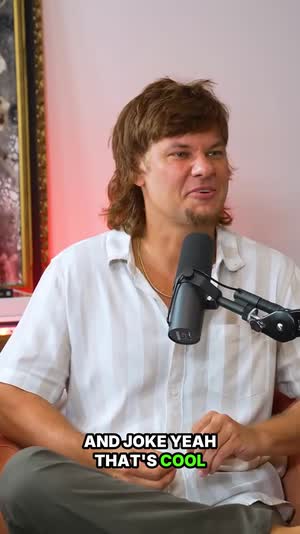
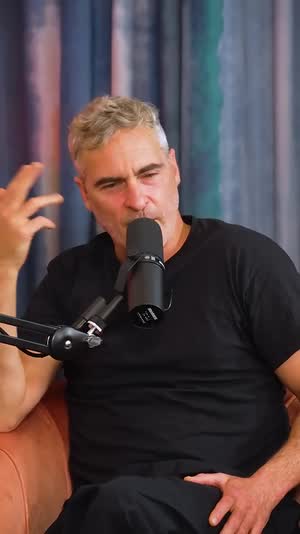
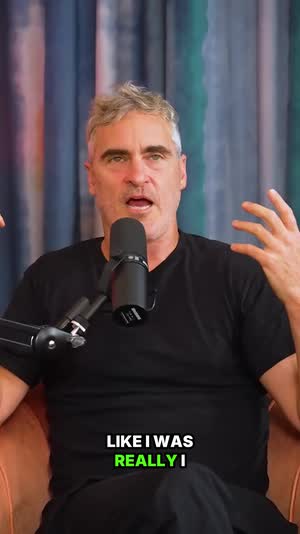
A forty-minute message usually contains three or four passages that carry perfectly well on their own — the illustration people repeat in the car park, the sentence that reframes a familiar verse, the challenge at the end. Paste the service recording and those passages come back as vertical clips with captions burned in, framed on the preacher, and ranked so whoever has an hour on Monday knows which to post first.
🎬 Enter any URL under 2 hours
⏱ That video is longer than we can process
Captions for silent scrolling
Follows a preacher who paces
Ranked, so a volunteer can triage
Clips the live stream during service
Three-day trial for $1
One long video in, a week of posts out
Paste a link. Get the best moments.
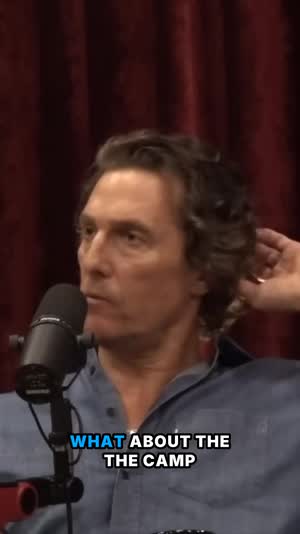
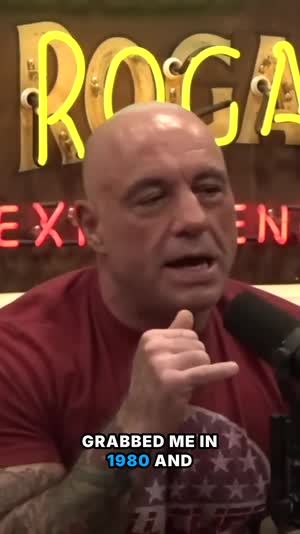
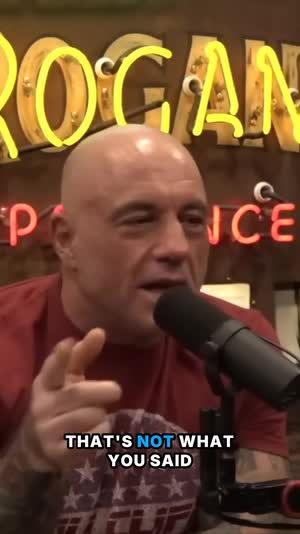
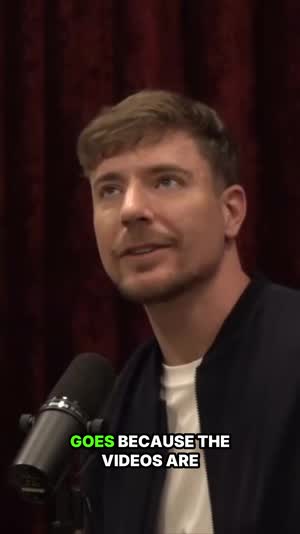
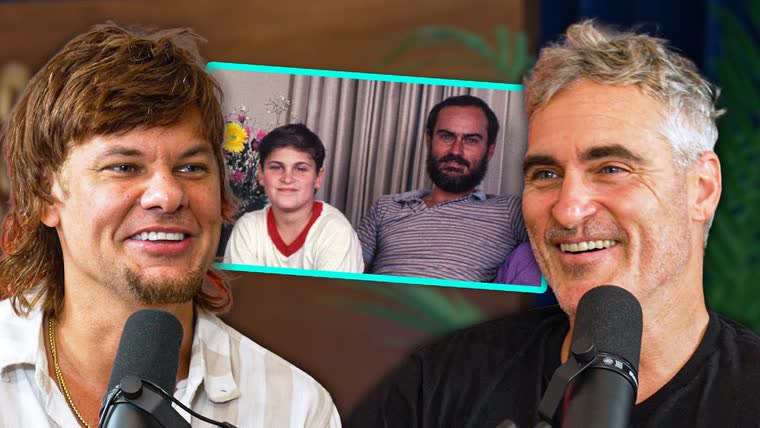
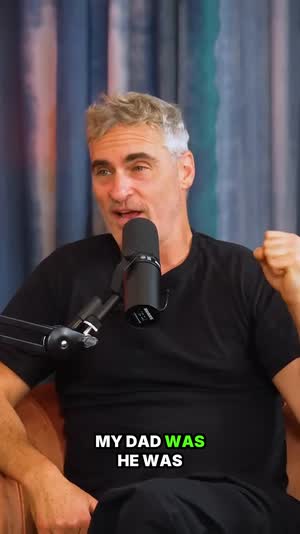
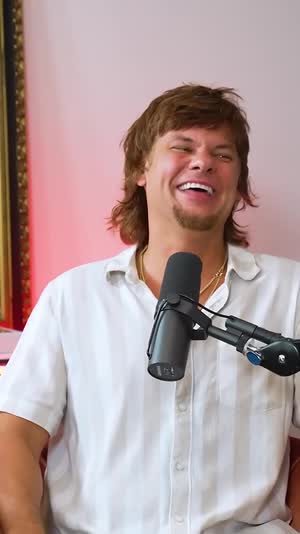
Real ClipSpeedAI output — every clip below was scored, cut, reframed to 9:16 and captioned automatically from the video above it.
Written for a media team of one, working around a day job.
1
Give it the service recording
If the service is already on your church YouTube channel, paste that link and nothing needs downloading. Otherwise upload the file your recorder produced. A single upload may run to 120 minutes on any plan, which covers a full service including worship and announcements; the one-dollar trial has the same ceiling, so a whole service is fine for a first test.
2
It listens to the whole message
The audio is transcribed and read for structure, so the model can tell an illustration from a transition and a landing point from a throat-clear. It marks the passages that hold together without the twenty minutes before them, and cuts each one so it begins where the thought begins. That is why the clips do not have the abrupt, sliced-out quality of a timestamp export.
3
A person picks what goes out
Clips come back captioned, vertical and graded 0-100. Someone from the team watches the top few, checks that a name or a scripture reference has not been misheard, discards anything that belonged to the room rather than the internet, and schedules the rest across the week. That review is short, and it should never be skipped.
What matters for church video specifically
Church media has constraints most creator tools ignore: volunteer time, mixed camera quality, and an audience that watches almost entirely with the sound off.
🔇
Captions, because nearly all of this is watched on mute
Someone scrolling on a Tuesday lunch break will not turn the sound on for a stranger preaching. Word-by-word captions in eleven styles are burned into the video itself, so the message lands silently, no separate subtitle file needs uploading anywhere, and hard-of-hearing members of your congregation get the same clip everyone else does.
🚶
Framing that follows a preacher who moves
Preaching is rarely delivered from a fixed spot. People walk the stage, step down to the front row, turn to a screen. A locked vertical crop leaves them wandering out of frame and back in. Face tracking keeps the speaker centred through all of it, which is the difference between a clip that looks produced and one that looks like a security camera.
📖
Cuts placed where a thought finishes
Preaching builds. A sentence cut two words early loses the resolution the whole paragraph was heading toward, and that is the most common way an automatically clipped sermon ends up feeling wrong. Boundaries are placed at sentence edges so a clip closes on the landing rather than in the middle of the run-up.
📊
A 0-100 grade to guide a volunteer
Whoever handles your social accounts may not have been in the service and probably has an hour, not a morning. Every clip carries a number, so the task stops being "watch the whole thing and use your judgement". A volunteer with an hour gets a ranked four instead of a ninety-minute service to watch.
🔴
Clips cut while the service is still streaming
Connect the church YouTube channel and clips are produced during the live broadcast, not after the video finishes processing. A moment from the eleven o'clock service can be posted before the building has emptied, which is when the people who were there are most likely to share it.
📅
Schedule the week rather than posting the lot
Connect TikTok, Reels and Shorts and queue a sermon's clips into the gap before the next service. Seven days is the entire window a message gets, so the schedule mostly writes itself: something early while people still remember hearing it, and something on Saturday, when the audience is deciding what to do with Sunday morning. The clip scheduler goes into queue mechanics and posting times properly; here the calendar has already made most of those decisions for you.
🎨
Brand Kit for series artwork consistency
Church colours, logo and typeface are stored once and applied to every clip. If your teaching is organised into series, the clips will look like they belong to the same series rather than to whoever styled them that week.
✂️
Pauses and filler taken out automatically
The pause while a page turns, the "amen, so", the water break — all removed. Preaching pauses are often deliberate, so this is applied conservatively, but on a sixty-second clip the tightening is usually worth several seconds of retained attention.
🖥
Layouts for slides, lyrics and multi-camera
When a verse or a slide is on the screen the screenshare layout keeps it readable at phone size, and the grid layouts handle a two-person conversation such as an interview during the service. A clip whose whole point is a projected verse is useless if the verse cannot be read.
Who this is built for
👥 Volunteer media teams
Nobody on the rota has a spare Monday. Reviewing eight finished candidates is a job that fits in a lunch break, and that is the only version of it that survives contact with real life.
🏛 Multi-site churches
Several campuses and several services a weekend produce more recordings than any one person can watch. Ranking makes the volume manageable rather than merely visible.
🌱 Church plants
Small congregations grow through people sharing something with a friend. A clip is far more shareable than a link to a seventy-minute stream that opens on the countdown timer.
🎓 Campus and youth ministries
This audience lives entirely in vertical video and will not click a YouTube link. Meeting them where they already are costs nothing once the recording exists.
🎧 Podcasting ministries
Teaching podcasts and midweek studies clip the same way a sermon does. The podcast clip generator covers that format in more depth.
🤲 Nonprofits and charities
Talks, testimonies and fundraising events all hold a couple of moments that move people, and those moments are what a donor forwards to someone else.
Why clips reach people the full stream never will
A church posts the entire service to YouTube and it is watched by members who missed Sunday. That is a real and worthwhile use, and it is not outreach — the audience is people who already belong. Nothing about a seventy-minute video with a countdown timer at the front is going to be shown to a stranger by a recommendation algorithm.
A sixty-second clip behaves differently. It gets pushed to people who follow nobody at your church, it can be forwarded in a text message without asking for a commitment, and it gives a member an easy way to share something without it feeling like an invitation they have to defend. Most people will not send a friend a link to a service. Many will send a friend a clip that made them think.
The reason churches do not do this consistently is capacity. Finding the moment, cutting it, cropping it, captioning it and posting it is roughly forty-five minutes per clip for someone who is not a professional editor, and that person also runs the sound desk. Removing four of those five tasks is what makes weekly clipping actually happen.
The part that must stay human
A model can tell that a passage is well-constructed and self-contained. It cannot tell that the illustration involved a family in your congregation who would rather it was not on the internet, that the visiting speaker asked not to be clipped, or that a line about a local situation reads very differently outside the room. Those are pastoral judgements and no scoring system should be trusted with them.
So the workflow is deliberately not fully automatic. Clips are generated, ranked and finished, and then a person who was in the service decides what leaves the building. That review takes a few minutes because you are watching short clips rather than searching a long recording, but it is not optional.
It is also the moment to check transcription. Names, place names, and scripture references are the words most likely to be misheard, and a misquoted reference burned into a caption is the kind of small error that undermines everything around it. Read the captions on any clip where a verse is central.
What clips badly, and what to avoid posting
Worship music is the clearest example. The selection and boundary logic here is built on speech — it finds where sentences begin and end — and a sung set gives it nothing to work with. Music segments are not the strong case for this tool, and what you are permitted to publish from a worship set depends on your own music licensing, which is a decision for your church rather than for us.
Baptisms, communion and other largely visual moments have the same issue: very little speech, so very little for the model to reason about. Those are worth filming and cutting by hand, because they are also the moments where framing choices carry meaning.
Announcements clip cleanly and are rarely worth posting outside your own congregation. Prayer ministry and testimony of a personal nature clip well technically and should usually be handled with a direct conversation first. Being able to make a clip is not the same as it being right to publish one, and the tool cannot tell the difference.
When this is not the right tool for the recording you have
Three situations come up often enough to name, and the first one is almost always audible before it is visible. A service captured on a single ceiling microphone in a room with hard walls gives you speech where the reverb tail of one sentence overlaps the opening of the next. Every stage after that — the transcript, the moment ranking, the caption timing — is built on top of that audio, so a recording a person can just about follow yields clips that feel approximate in a way nobody can quite point at. A cheap lapel mic feeding the same recorder changes the output more than anything you could adjust on our side.
The second is a bilingual service where the preacher says a sentence and an interpreter repeats it. What comes back is two languages interleaved line by line, with no signal that half of those lines are a restatement of the other half, so boundaries land in the wrong places and clips carry both versions of the same thought. If your desk can give you a single-language feed, clip from that. If it cannot, this one stays a manual job and we would rather say so.
The third has nothing to do with audio. A church posting once a month does not have the problem this solves. The argument for automating any of this rests on repetition — the finding, cutting, cropping and captioning are paid for again every single time, and it is the accumulation that ends the habit rather than any individual week. A single clip a month is one enjoyable evening for a volunteer who likes editing. Two services a weekend across two campuses is a different question entirely.
A Monday routine for a one-person media team
Submit the recording before you go to bed on Sunday, or set it running from your phone on the way home. Processing happens without you, so the clips are waiting rather than being made while you sit there.
Give the review a fixed slot and a fixed length. Twenty minutes, top five clips, watched at normal speed with the sound on because you are checking the captions. Anything you are unsure about goes in a hold list rather than becoming a discussion that eats the morning.
Post one clip Monday, one Wednesday and one Saturday. The shape of that comes from the church calendar rather than from any rule about spacing: a sermon has six days before the next one is preached over the top of it, and whatever is still sitting unposted on Sunday morning is now competing with that morning's service for the same congregation. Saturday is the slot worth protecting, because it lands while people are deciding what they are doing tomorrow. If a clip belongs to a teaching series, hold the strongest one until the week the series ends, when it can point at something rather than trail behind it.
Keep a running list of what performed. After two months you will notice a pattern in what travels — usually the concrete illustration rather than the theological point, which is worth knowing regardless of whether you keep using any software. Where a clip clearly outperformed, tell the preacher; that feedback loop improves next month's clips more than any tooling decision.
And write the one rule down for whoever covers when you are away: nothing gets published that a person has not watched from start to finish. Everything else in the routine is a preference. That one is not.
Troubleshooting the four ways a sermon clip comes back wrong
It is a complete clip and it makes no sense. The clip opens on "and that is exactly what he did", and there is no way to know who he is. The cut is sitting on a genuine sentence boundary; the trouble is that the sentence leans on a name spoken forty seconds earlier. Drag the start back to wherever the subject was last named, even if that costs you fifteen seconds of run-up. Preaching depends on pronouns and callbacks more than almost any other kind of speech, so this is the adjustment you will make most often.
The preacher is a small figure in a wide frame. This is a camera problem wearing a software costume. A single locked wide shot of the whole platform means the speaker occupies a fraction of the available pixels, and cropping to vertical discards most of the rest. The clips remain usable and they will look soft. One camera placed closer, or a second angle to cut to, improves the output more than any setting on our side will.
A verse reference is wrong in the captions. Chapter and verse numbers, book names, Hebrew and Greek terms, and the names of people in your congregation are where transcription errors gather, because they are precisely the words a general model has least reason to expect. Correct them and re-render before anything is published. Any clip built around a specific passage deserves one deliberate read of its captions rather than a skim.
Nothing scored above the middle of the range. Two likely explanations. The message was one continuous argument with no passage that survives being lifted out of it, which is a legitimate way to preach and simply yields fewer candidates. Or worship and room noise are sitting underneath the speech and degrading the transcript that every later stage depends on. Put a message you already know was strong through the trial; if that one grades flat as well, the input is what needs attention.
One habit heads off most of this. Keep the clip that failed, note which of the four it was, and see whether it recurs next Sunday. A single bad clip is just footage. The same failure three weeks running is a microphone, a camera position or a setting, and sorting it out permanently is worth an hour of somebody's time.
Automatic clipping versus cutting the sermon by hand
Cutting by hand wins wherever the framing itself carries meaning. A baptism, a testimony that needs to hold on a face a beat longer than feels comfortable, a series trailer that has to land on a musical hit — those are craft decisions, and no scoring model has a view on them. If you have three clips to make this month and each one matters, open whatever editor you already own and make them yourself.
Software wins on volume and on consistency, which happen to be the two things a volunteer rota is worst at. Say you record two services a weekend across two campuses: that is something like eight hours of speech a month, and nobody is sitting through eight hours to locate twelve moments. The advantage is not that the ranking chooses better than a person who was in the room, because it does not. It is that it will do the finding at eleven at night in the second week of November without being asked twice.
In practice the arrangement that actually survives is neither one nor the other. Let the engine transcribe, rank, reframe and caption, then spend your editing attention on the two clips at the top instead of on all twelve. Pulling three seconds off the front of a strong clip is a two-minute job. Locating that clip inside a seventy-minute recording was the hour you were losing, and it is the only part worth handing over.
The place this framing gets people into trouble is treating the output as a draft to be rebuilt rather than as candidates to be triaged. If you find yourself re-cutting most of what comes back, the input is wrong — audio, camera distance, or a message that genuinely does not contain liftable passages — and no amount of editing downstream will fix a problem that started at the microphone.
Alternatives, including the ones that cost nothing
The clip and remix tools built into your video host are free and already attached to the file you uploaded. They hand back a trimmed range in the original aspect ratio with no captions and no reframing, which is perfectly good for dropping a moment into a members' group chat. It is not good for a public feed, where a letterboxed shot of a distant figure with no words on screen is gone before the first sentence finishes.
A free desktop editor — DaVinci Resolve is the one most church teams land on — will do everything described on this page, and several parts of it better, in exchange for a genuine learning curve and a real number of minutes per clip. If somebody on your team wants to learn video editing properly, that is a better long-term investment for your church than any subscription, and it will still be true in five years when the software landscape has moved again.
Paying a freelance editor for a fixed number of clips each month is the other honest option, and for a church with a small budget and no willing volunteer it is frequently the correct one. What the money buys is judgement about your particular congregation, which is precisely the part no software supplies. Compare it on hours-of-a-person against hours-of-a-person rather than on price alone, and then ask how many of the returned clips needed re-cutting.
And if your problem is narrower than a whole service — you already cut the moment and only want words burned onto it, or you have a 16:9 recording that simply needs to be vertical — then the video subtitle generator and the vertical video converter do those single jobs without the moment-finding stage bolted on in front of them.
What church recordings taught us about this pipeline
Observations from operating the pipeline in production — not general advice.
Church auto-captions arrive unpunctuated, so cuts cannot follow full stops
A boundary rule that hunts for a full stop assumes somebody put one there. Pull the caption track a platform generates automatically for a church stream and there is frequently not a single punctuation mark in the whole file, which is why cut placement here reasons about where a spoken thought opens and closes rather than about typography. On preaching the practical result is that a clip ends on the landing line instead of two words into whatever came next.
A preacher who stands still is the harder tracking case, not the easier one
Everyone assumes a speaker who paces is the difficult input. In practice the awkward one is somebody planted behind a lectern making small constant movements, because a crop that re-centres on every single frame turns those into visible drift, with the background sliding around behind a person who is not really going anywhere. Framing is therefore smoothed over time rather than recomputed frame by frame, and a preacher who crosses the stage in long deliberate moves tracks more cleanly than one who sways on the spot.
There is a floor on clip length, and one-line zingers fall straight through it
The most quotable thing in a sermon is often a single sentence that takes six seconds to say out loud. A clip that short is not produced, because anything under roughly fifteen seconds reads as an accident rather than as a piece of video, so the sentence comes back with the run-up that earned it still attached. If you were expecting the line on its own, that is the reason the clip is longer than the quote in your head.
A live session can only watch a stream that a stranger could watch
Churches broadcast in more configurations than almost any other category we handle: public channels, members-only services, embedded players on a church website, and services that only ever exist as a recording published on Monday morning. A live session reads the public broadcast. If a person would have to sign in to see it, the session cannot reach it either, because it arrives the way any anonymous viewer would, and the honest answer for those setups is to submit the recording afterwards.
Compared with how churches do this now
vs. a volunteer with an editor and a Monday evening
This is the standard arrangement and it works for about six weeks. Then a busy season arrives, the volunteer misses a week, and the habit quietly ends. The task is not difficult, it is simply long enough to lose to anything else. Cutting it down to a review is what makes it survive January and the run-up to Christmas.
vs. exporting timestamps by hand
Trimming a range out of the service video and uploading it vertically is fast, and the result is a clip with black bars, no captions, a preacher drifting out of frame, and an opening that starts mid-sentence. It reads as an offcut rather than as something made on purpose, and people scroll past it in the first second.
vs. paying an agency that specialises in church media
Church media agencies produce genuinely good work and are the right choice for a series launch or a vision film. For weekly volume the maths rarely works, because the value of a sermon clip is spread thin across many small posts rather than concentrated in one. Automate the weekly clips and spend the budget where craft is visible.
vs. general-purpose clipping tools
Most will do a reasonable job on a single preacher at a lectern, which is the easy case. Where they differ is live clipping during the service, framing for a speaker who moves around a platform, and layouts that keep a projected verse legible. Run last Sunday through it and judge the framing on your own stage rather than on a demo.
Frequently asked questions
How do I turn a sermon into clips?
Paste the link to your church YouTube stream or upload the service recording. The model transcribes the message, identifies the passages that stand alone, and returns each as a vertical clip with captions burned in and a 0-100 score attached. A volunteer then reviews the top few and schedules them.
How many clips will one sermon give me?
Typically four to ten from a forty-minute message, depending on the style of preaching. Teaching that moves through several distinct points produces more; a single sustained argument that builds to one conclusion produces fewer but often stronger ones. We would rather return five good candidates than pad to a number.
Do I have to upload the whole service?
You can, and the tool will simply not select from the parts that are not speech. If your recording is long, a sermon-only export processes faster and keeps you comfortably inside the length limits. Either approach works.
Can it clip during the live stream on Sunday?
Yes. Connect your YouTube channel and clips are cut while the service is still broadcasting, so something can be online before people have finished coffee. Churches that use this tend to post one clip Sunday afternoon and space the rest across the week.
Can we try it on one service before committing?
Yes — access starts at one dollar for a three-day trial, so put last Sunday or a midweek message through it and see the output on your own footage. After the trial it is thirty-nine dollars a month. Cancel in one click, and an email goes out before the trial converts.
Will a watermark appear on what we post?
No. Everything exported comes back clean, including the clips you make during the one-dollar trial. If you would rather have your church logo on each clip, the Brand Kit places it automatically along with your colours and typeface.
Is there a limit on the length of the service video?
Up to 120 minutes for a single upload on any plan, which fits a full service in almost every tradition, and the trial is held to the same ceiling. A service running past two hours should be split, or clipped live as it streams.
Are the captions accurate with theological vocabulary?
Mostly, and this is the area to check. Common words transcribe reliably; book names, Hebrew and Greek terms, place names and the names of people in your congregation are where errors appear. Read the captions on any clip built around a specific reference before it goes out.
Why do captions matter so much for church content?
Because the overwhelming majority of this viewing happens with the sound off, in a feed, in public. A clip without captions is silent nonsense to a scrolling stranger. Burned-in captions also mean deaf and hard-of-hearing members can engage with exactly the same post as everyone else, rather than a separate accommodation.
Will it keep the preacher in frame if they walk around?
Yes, that is what the face tracking is for. It follows the speaker across the platform rather than holding a fixed crop, which matters enormously in vertical where the frame is narrow enough that two steps sideways would otherwise put someone off the edge.
What if we only have one static wide camera?
It still works, with a caveat. A wide shot of a whole platform means the preacher occupies a small part of the frame, and cropping in tightly on a small subject costs resolution. The clips will be usable and softer than they would be from a closer camera. A single tighter camera angle improves output more than any setting here.
Can it clip worship songs?
This is not the tool for that. Moment selection and cut placement both depend on speech, and a sung worship set gives the model nothing to reason about. Separately, what a church may publish from a worship set depends on its own music licensing, and that judgement belongs to you.
Should we let it post automatically?
We would advise against it, and the workflow does not encourage it. A model can identify a well-formed passage; it cannot know that an illustration referenced a family in your church, or that a visiting speaker asked not to be clipped. Keep a person between generation and publication.
Can we edit a clip after it is made?
Yes. Adjust the start and end points, switch among eleven caption styles, change the layout, rewrite the title, and re-render. The most frequent change is extending the ending by two seconds so a final line has room to breathe.
What aspect ratios does it produce?
Vertical 9:16 for Reels, Shorts and TikTok, square 1:1 for feed posts, and 16:9 if you want a version for the church website or a screen in the foyer. Vertical is the default because that is where sharing happens.
Can we schedule the clips through the week?
Yes. Connect TikTok, Instagram and YouTube and queue them out. Spreading a sermon's clips across seven days keeps the teaching in front of people between services, which is more useful than a burst on Sunday evening.
Does it work for a sermon in a language other than English?
Transcription and captions cover major languages, with English the strongest. Quality varies with the language and with audio conditions, so the honest recommendation is to run one message through the one-dollar trial in your own language and judge the captions directly rather than trusting a claim on a page.
Does it translate or dub sermons?
No. There is no dubbing and no synthetic voice. Captions come from the original audio in the original language. For a bilingual congregation, most churches handle translation separately and use this only for the clipping.
Does it generate any AI imagery or footage?
No. Nothing is invented or synthesised. Every frame in a finished clip came from your recording, which is the appropriate standard for anything representing what was actually said from a platform.
Can several people on the team use one account?
Clips generated on an account are available to whoever has access to it, so a small media team usually works from a shared login. If you need something more structured across multiple campuses, get in touch and describe the setup before you commit to a plan.
Can we apply our sermon series branding?
Yes, through the Brand Kit. Store the logo, colours and typeface and every clip carries them, so a series looks coherent across a month of posts instead of changing style with whoever was on the rota.
Is there an API for our systems?
Yes, plus an MCP connector so Claude can run the clipping conversationally. Churches with a developer on the team occasionally automate submission after the stream ends; see the developer documentation for how that works.
How soon are the clips ready after we submit?
Minutes rather than hours in the ordinary case, with the exact wait depending on the length of the recording and the size of the queue. Start the job, shut the laptop, and come back later. That fits a Sunday afternoon considerably better than sitting in front of a progress bar.
What happens to our recording after processing?
The service video is used to make your clips and for nothing else, and we never publish it anywhere ourselves. What comes out belongs to your church. How the footage is stored and how long it is kept are both set out in the privacy policy.
What if the clips are not usable?
Run the one-dollar trial on a message you remember well before committing to a month. You will know inside one sermon whether the moments it chose match the ones you would have chosen, and that is the only evaluation worth doing. If the framing on your stage does not hold up, you will see that immediately too.
Is this the same tool as your general video editor?
Same engine, different framing of the job. The AI video editor page explains the underlying approach, and this page covers the parts that specifically matter for a service recording — captions for silent viewing, a moving speaker, and a review step nobody should skip.
Can we cancel?
Yes, in one click from the account page, with an email before the trial converts. Access continues until the end of the period already paid for. Anything exported before then stays yours.
Start with last Sunday
Use a message you were present for. You will know within one pass whether the moments it found are the ones people were still talking about afterwards.