Most schedulers pick up after the hard part is finished — you still have to arrive with a folder of finished vertical files. This one starts at the long video: it finds the moments, cuts and captions them, grades each clip, and holds the results in a calendar that publishes to TikTok, Instagram Reels and YouTube Shorts on the days you pick.
🎬 Enter any URL under 2 hours
⏱ That video is longer than we can process
One queue for TikTok, Reels, Shorts
Clip and schedule in the same place
Order the week by score
Live clips can skip the queue
Reorder or pull a post any time
One long video in, a week of posts out
Paste a link. Get the best moments.
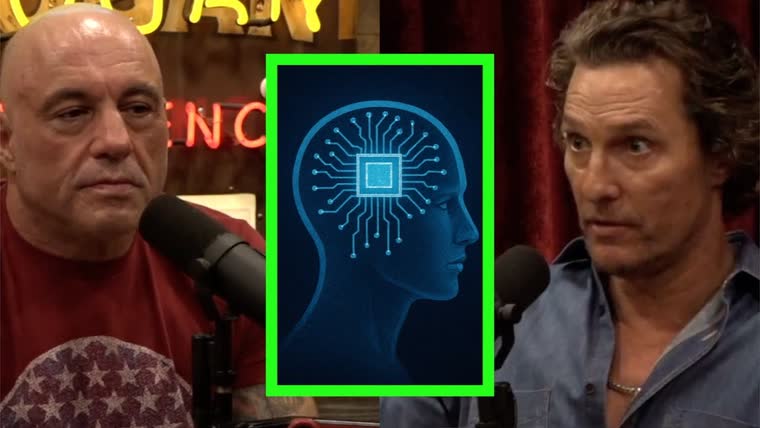
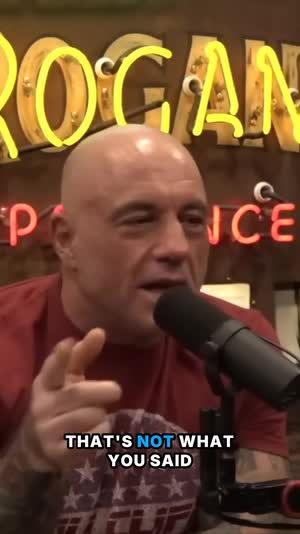
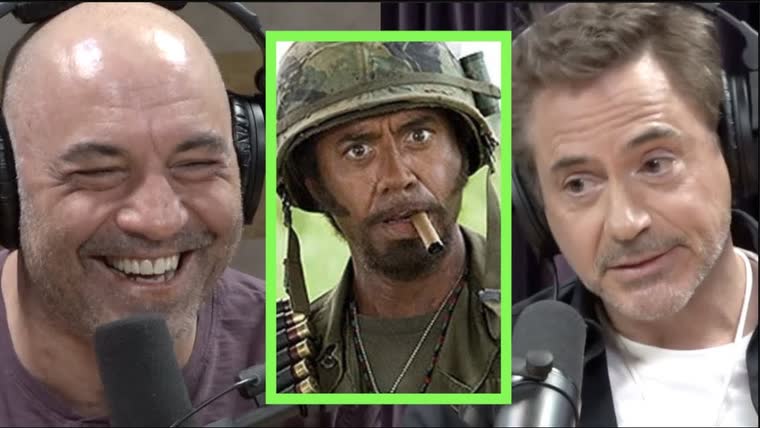
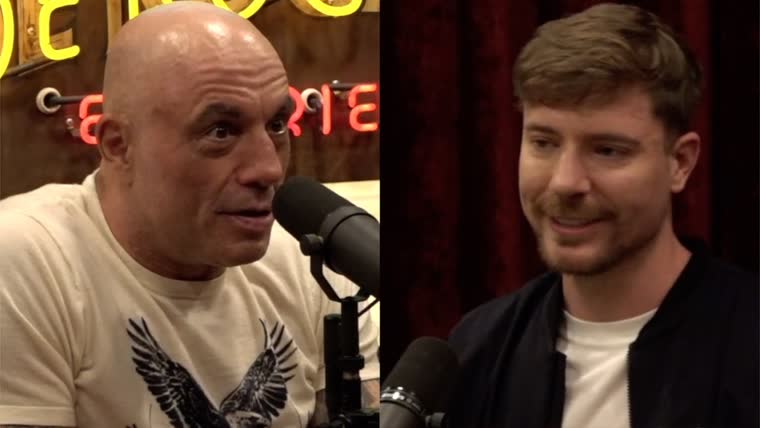
Real ClipSpeedAI output — every clip below was scored, cut, reframed to 9:16 and captioned automatically from the video above it.
One sitting produces the clips and the calendar together.
1
Turn a long video into clips
Start with a link or an upload — an episode, a webinar, a stream VOD. The AI reads the runtime, cuts the strongest moments to vertical, burns in captions and grades each result. This is the step every other scheduler assumes you have already done somewhere else, and it is the step that actually eats the day.
2
Connect the accounts you publish to
Authorise TikTok, Instagram and YouTube once through their own sign-in screens. Nothing posts anywhere until you have connected an account and put a clip on a date, so there is no risk of the tool publishing something while you are still deciding whether the clip is any good.
3
Drop clips onto days and walk away
Assign each keeper to a date, send the same clip to more than one platform if you want, and let the queue run. You can reorder, move or remove anything before it goes out. What used to be a daily interruption becomes one planning session, which is the whole point.
What the scheduler gives you
Each of these exists because of a specific reason short-form calendars fall apart.
📅
One queue, three destinations
TikTok, Instagram Reels and YouTube Shorts all take the same 9:16 file, so keeping three separate posting habits is duplicated work for no benefit. Schedule the clip once and choose where it lands. The marginal cost of the second and third platform is close to nothing, and the audiences barely overlap.
📊
Order the week by score, not by mood
Every clip arrives with a 0-100 grade, and the sensible use of it is planning rather than bragging. Spread your strongest few across separate days instead of firing them all on Monday and leaving a hollow Thursday. When you plan a week at once you can see that shape; when you post daily from your phone you never can.
🔁
Batching is what protects consistency
The reason channels go quiet is almost never a shortage of clips. It is that posting is a small task with no deadline, so it loses to everything with one. Moving the decision into a single weekly session removes fourteen chances to skip and replaces them with one appointment you keep.
✍️
Titles you can edit before they ship
Every clip comes with a generated title based on what is actually said in it, and you can rewrite it before it is queued. Reviewing captions and titles in a batch is faster and more consistent than writing one at a time in a platform app while distracted.
🔴
Live clips that should not wait
Clips cut from a running YouTube, Twitch or Kick stream are the exception to scheduling. Their value decays by the hour, so post them now and keep the queue for evergreen material. Being able to do both from the same place is why live and scheduling belong in one product.
🎨
A consistent look across the calendar
The Brand Kit applies your font, colours and logo to everything that leaves the queue. A month of posts that share a visual signature is recognisable in a feed in a way that a month of inconsistent one-offs never is, and it costs nothing extra once it is set.
🧾
A queue you can audit
You can see what is scheduled and when, move things, and pull a post before it publishes. That matters most when something changes in the world and a clip you queued three weeks ago suddenly reads badly — an unreviewable queue is a liability in that moment.
🤖
Publish through Claude or your own code
The MCP connector can take a finished clip and publish it to YouTube from inside a conversation, and the developer API exposes the clipping engine for anything you want to automate further upstream. Both start at the developer docs.
⏱
Sources up to two hours
A paid upload accepts up to two hours per video, which is a full podcast episode or a long webinar in one go. A single source of that length usually fills more calendar than a week has slots, which is the arithmetic that makes batching worth it.
Who runs a clip calendar
🎙 Weekly podcasts
One episode on Monday can cover the whole week of short-form. Getting the clips out of the episode is the podcast clip generator side of the job.
🎮 Streamers
Post the standout moment live, then queue the rest of the VOD across the days you are not streaming so the channel never looks dormant.
🏢 Agencies and social teams
Review a client month in one pass instead of chasing approvals daily. A visible queue is also the artefact clients actually want to see.
💼 Founders and solo marketers
You have one recording session in you per fortnight. A queue is what turns that into continuous presence rather than two loud days and silence.
🕶 High-frequency faceless channels
Several posts a day is only survivable when it is scheduled. The volume side is covered on faceless video clips.
📚 Course creators and coaches
Line up a run of clips that lead somewhere in sequence, rather than posting whichever explanation you happened to cut most recently.
The gap between clipping and posting is where channels die
Almost nobody quits short-form because they ran out of clips. They quit because the clips sat in a downloads folder. There is a specific, boring failure at work: cutting a clip is a satisfying creative task, and posting it is administration with no deadline attached, so it slides behind everything that has one. Two weeks later the clip is stale and posting it feels pointless.
This is why the split between a clipping tool and a scheduling tool is more damaging than it looks. Every handoff between two products is a place where the work stops — export, download, find the file, open the other app, upload, write the title, set a date. Six small steps, each of which is a chance to do it tomorrow instead.
Collapsing that into one place changes the unit of work. You stop deciding "should I post today" and start deciding "what does next week look like", which is a question you can answer once while you already have all the clips open in front of you.
How to space a batch without wasting it
The first mistake with a fresh batch is dumping the best material on day one. Enthusiasm says post the three highest-scoring clips immediately; a calendar built that way peaks on Monday and dies by Thursday, and the platform reads that inconsistency more clearly than any individual clip.
A more durable pattern is to alternate. Put a strong clip out, follow it with a decent one, keep a couple of high scorers in reserve for a week where the source material is thin. The grade makes that rotation possible because you can see the shape of the week before it happens rather than after.
Also space clips that come from the same conversation. Two clips cut from the same twenty minutes of an episode often carry the same phrasing and the same energy, and posting them back to back makes both look weaker than either would alone. Put a few days between siblings.
And treat posting times as something you test rather than something you receive. Anyone selling you a universal best hour is describing their own audience, not yours. Pick a slot, hold it steady long enough to mean something, then change one variable.
A weekly cadence that survives a bad week
Say you record a 45-minute interview every other Tuesday and it comes back with nine clips worth keeping. The routine that holds up is: clip on Tuesday afternoon while the recording is still open, review the ranked list on Wednesday morning with the sound off, and queue five of them across the following ten days. Nothing about that requires you to remember anything on Thursday, which is the day the old routine always broke.
Keep two keepers unqueued at all times. The point of a reserve is the week you record nothing — illness, travel, a client emergency — and a channel that goes quiet during those weeks is a channel that teaches its audience to stop expecting it. Two spare clips converts a missed recording session into a non-event rather than a visible gap.
Then give the calendar ten minutes once a week. You are looking for two things: posts that went out and posts that did not. A failed post is quiet by nature — the platform rejects it, your feed simply has nothing in it that day, and nobody sends you a notification about the video that never appeared. Ten minutes of looking is what turns a single failure into a single missing day instead of a fortnight of silence you discover in the analytics.
Export settings and the length each destination will actually accept
The vertical file is the same everywhere but the ceilings are not, and this is where cross-posting quietly bites. YouTube stops treating an upload as a Short once it passes sixty seconds; Instagram Reels tops out at ninety; TikTok will take ten minutes. Say you cut a two-hour conference session and one of the strongest clips lands at seventy-five seconds — that clip belongs on TikTok and Reels, and needs trimming before it is any use as a Short. Check the duration column before you assign dates, not after.
There is a floor as well. Nothing is exported under fifteen seconds, because a clip shorter than that reads as a fragment rather than a moment however strong the line inside it is. TikTok has its own floor at three seconds and rejects anything below it with an unhelpful generic error. Between the two, the practical range for a talking-head clip is roughly twenty to sixty seconds, which conveniently clears every destination at once.
Aspect and branding are settled at render, not at publish. The queue sends the file exactly as it was exported, so a Brand Kit change made after a clip is scheduled does not reach it — the already-rendered version is what goes out. Set fonts, colours and logo before a batch renders, and if you rebrand mid-quarter, re-render anything still sitting on future dates. Vertical 9:16 is the default for all three destinations; 1:1 and 16:9 exist for clips heading somewhere else entirely.
What a queue does better than you, and what still has to be done by hand
Be precise about which half of this is worth automating. A queue is better than a human at exactly two things: it does not forget, and it does not get bored in week six. It also enforces spacing you would happily violate at eleven at night when three clips are ready and posting all of them feels harmless.
A human is better at everything that requires reading the room. A scheduled post is a file plus its text, so anything that lives inside the app on the day — a trending sound, a duet, a stitch, a reply to whatever the comments are arguing about — cannot travel through a queue and should not. Say you stream four hours on Kick on a Saturday night and something genuinely funny happens at the ninety-minute mark: that clip wants to be on TikTok within the hour, hand-posted, while people still remember it. Scheduling it for Thursday throws away the only thing that made it work.
The split that survives contact with a real month is therefore: evergreen explanations, answers and stories go on the calendar; anything reactive gets posted by hand the day it happens. Most creators trying to automate short-form fail by insisting on one or the other, and the queue is not competing with manual posting so much as removing the ninety per cent of it that was never creative work in the first place.
Alternatives to a queue, and when each is the better answer
The platforms all ship their own schedulers, and for a single-destination poster that is genuinely the right answer. TikTok, Instagram and YouTube each let you set a future date at upload time, they cost nothing, and they are as native as it gets. What they do not do is give you one view: with three apps you are uploading the same file three times and holding the week's shape in your head, and the effort of that grows with every platform you add rather than staying flat.
A general-purpose social scheduler is the other option worth naming, and it is the correct one if your calendar has LinkedIn, X or Pinterest on it. Those tools cover more networks than we do. What they all assume is that a finished vertical file already exists, which means the cutting, reframing and captioning still happens somewhere before you get there — usually in a video editor, at fifteen to thirty minutes a clip.
A person is the third alternative and the most underrated. A VA posting from a shared folder handles reactive content, replies to comments and fixes anything that breaks, which no queue can do. For example, an agency with one client and a large budget is often better served by a person than by any tool here. The arithmetic changes at the third client, because the person's cost scales with the number of accounts and the queue's does not.
Where scheduled posting goes wrong
It cannot make the platform want your clip. A queue buys consistency, and consistency is a necessary condition for growth rather than a sufficient one. If the clips are not interesting, the only thing automation gets you is a faster route to finding that out.
Delivery is also not something any scheduler can promise absolutely, and anyone implying otherwise is glossing over how these integrations work. Publishing depends on the platform accepting the post through its own interface, and account authorisations expire or get revoked when passwords change. Glancing at the queue once a week is a small habit that catches the rare failed post before it becomes a silent gap.
Some posts still want a human in the app. Anything built around a trending sound, a duet, a reply to a comment or a platform-native sticker is better done natively, because those features live inside the app and change constantly. Schedule the evergreen clips; hand-post the reactive ones.
What we have learned running this engine
Observations from operating the pipeline in production — not general advice.
Each destination has its own daily ceiling, and the planner will not cross it
TikTok is held to three posts a day with two hours between them, Instagram to two a day with four hours, and YouTube to one a day. A connection younger than a week is capped at a single post a day and one younger than a month at two, because an account that starts publishing three times a day the week it appears looks like automation before it looks like a creator. Those same checks run again at the moment a post comes due rather than only when you set the date, so a clip dropped onto an already-full Tuesday is moved to the next legal slot instead of being handed to the platform and refused.
A clip that is legal on TikTok can be rejected by Shorts for being too long
One vertical file, three different ceilings: past sixty seconds YouTube stops treating an upload as a Short at all, Instagram Reels stops at ninety seconds, and TikTok will accept up to ten minutes. There is a floor underneath as well — TikTok refuses anything under three seconds, and a TikTok account that has not been through their audit process is limited to sixty seconds regardless of the general cap. The duration is compared against the specific destination before the file is handed over, which is why a seventy-five-second clip queued to all three tells you at scheduling time which one it cannot go to.
The same clip cannot go back to the same feed for ninety days
Publishing an identical clip twice to one platform is filed as duplicate content by all of them, so a repeat to the same destination inside a ninety-day window is blocked and the queue tells you the date it went out the first time. Cross-posting is untouched, because the same file on TikTok, Reels and Shorts is three separate first appearances rather than a repost. The rule earns its keep on archive work: the failure it prevents is working back through an old library, forgetting that a clip already ran in the spring, and giving a platform a concrete reason to treat the account as spam.
Three failures in a row and that platform pauses itself for a day
A post that does not go out is retried up to three times with a widening gap, but only after the failure has been classified. A timeout or a platform hiccup is transient and earns another attempt; a revoked authorisation is permanent, so the retries stop immediately, the connection is flagged for reconnection and exactly one email goes out rather than one per attempt. If three consecutive posts to the same platform fail, that platform is paused for twenty-four hours instead of continuing to push at an account that is clearly in a bad state. In practice the cause is nearly always a password change or a security prompt, and reconnecting clears the whole thing.
Compared with the alternatives
vs. posting manually from your phone
Manual posting has one real advantage: you are in the app, so you can react to comments and use whatever the platform launched this week. Its disadvantage is that it depends on you remembering, every day, forever. Most people can sustain that for about three weeks.
vs. a general-purpose social scheduler
Tools built for brand social cover more networks than we do and are the right choice if your calendar includes LinkedIn, X and Pinterest. They also start from a finished file, which means the clipping, reframing and captioning still has to happen somewhere first. Plenty of people run one of each and hand finished clips over.
vs. a spreadsheet and a phone reminder
This actually works and costs nothing, which is worth saying. It fails at volume: once you are posting to three platforms several times a week, the reminder becomes noise you swipe away. The tell is a spreadsheet with more planned rows than posted ones.
vs. other AI clipping tools with a scheduler attached
Several competitors bundle scheduling and the basics look similar. The differences here are live clipping feeding the same queue and an MCP connector that lets Claude publish for you. If those are irrelevant to your workflow, compare on cut quality instead and run one video through the trial.
Frequently asked questions
Which platforms can it post to?
TikTok, Instagram Reels and YouTube Shorts. Those three take the same vertical file, which is what makes scheduling one clip to all of them straightforward rather than three separate jobs.
Does it post to LinkedIn, X or Facebook?
No. The scheduler is built around vertical short-form on the three platforms above rather than trying to cover every network. If your calendar includes business networks, a general social scheduler alongside this is the sensible arrangement.
Can I schedule the same clip to all three platforms?
Yes, and most people do, because the file is identical and the audiences overlap far less than you would expect. It is worth varying the on-platform title, and worth watching how differently the same clip performs in each place.
Do I need to connect my accounts before I can clip?
No. Clipping works on its own and you can download everything without authorising a single account. Connections are only needed at the point you want something published for you.
Can I edit the title before a clip goes out?
Yes. Each clip arrives with a generated title drawn from what is said in it, and you can rewrite it while you are queueing. Doing that in a batch is noticeably faster than writing one title at a time inside a platform app.
What happens if a scheduled post fails?
The most common cause is an expired or revoked account authorisation, usually after a password change or a security prompt on the platform side. Reconnecting the account and re-queueing the post fixes it. Checking the queue briefly once a week is what stops a failure turning into a quiet fortnight.
Can I reorder or cancel something already scheduled?
Anything still in the queue can be moved to another day or removed entirely. That flexibility matters more than it sounds, because a clip queued three weeks ago can read very differently once the week around it changes.
How far ahead can I schedule?
As far ahead as you have clips worth posting. In practice the constraint is source material rather than the calendar, and one two-hour recording tends to fill more days than most people expect.
Does it pick the best time of day to post?
It does not, and we are not going to pretend to know your audience better than you do. Published best-time charts are averages across millions of unrelated accounts. Choose a slot, keep it stable for a few weeks so the comparison means something, then change it deliberately.
How often should I post?
Frequently enough that your channel never looks abandoned, and not so frequently that quality slides. The honest version is that the right number is the one you can sustain for months, which is usually lower than the number you pick on the first enthusiastic afternoon.
Should I post the highest scoring clip first?
Not necessarily. Spending your best material immediately leaves the rest of the week weak, and consistency across days tends to do more than one strong opening post. Alternating strong and solid, and keeping a couple in reserve, holds up better.
Can I schedule clips cut from a live stream?
You can, but often you should not. A live clip is valuable because it is current, so posting it during or right after the broadcast is usually correct, and the queue is better saved for material that will read the same next Tuesday.
Do scheduled clips have a watermark?
No. Everything the queue publishes renders clean, on the one-dollar trial exactly as on a paid plan, and the Brand Kit is there if you want your own logo consistently placed on every post.
Can I approve clips before anything publishes?
Nothing publishes without you putting it on a date, so approval is built into the flow rather than being a separate feature. For agency work the queue itself is the approval artefact — it shows the client exactly what is going out and when.
Can I disconnect a platform account later?
Yes, and you can also revoke the authorisation from the platform side at any time. Doing so stops future posts to that account, so remove anything already queued for it as well.
Can I just download clips instead of scheduling them?
Of course. A good number of people use the clipping engine and post by hand, especially when they are reactive posters who want to be in the app anyway. The scheduler is there when you want it, not compulsory.
Do I need different versions per platform?
For these three, no. A 9:16 export with burned-in captions works everywhere, which is exactly why cross-posting is cheap. Square and landscape exports exist too if a clip is going somewhere else.
Will the captions survive being posted through the scheduler?
Yes, because they are rendered into the video frames rather than attached as a subtitle file. That property is explained in full on burn subtitles into video.
How long does clipping take before I can schedule?
Typically a few minutes, depending on the length of the source and the queue. Since you are planning a week rather than reacting to something, waiting is rarely the bottleneck — submit, do something else, come back to a graded list.
What is the longest video I can clip for the queue?
Two hours in a single upload, and that ceiling is the same on the one-dollar trial as on any paid plan. Recordings that run longer should be split, or you can connect a channel and clip the stream while it is live instead of waiting on the VOD.
Can I schedule a whole backlog at once?
You can work through an archive and queue the results, which is a common way to bootstrap a calendar from scratch. Pace it deliberately rather than emptying two years of material in a fortnight — the approach is covered on bulk video clipper.
Is there an API for scheduling?
The developer API covers the clipping engine, and the MCP connector can publish a finished clip to YouTube from a conversation with Claude. If you are wiring this into something larger, the developer docs are the place to start.
What does the scheduler cost?
You can run the clipping side on any video up to two hours before connecting a single account. The scheduler comes with it as part of a three-day trial for one dollar, which then runs at thirty-nine dollars a month. We email before the trial converts and cancelling is one click.
Can I manage the queue from my phone?
Yes. Submitting a video, reviewing clips and moving things around the calendar all work from a phone browser, which is useful because rescheduling is exactly the sort of thing you end up doing away from a desk.
Can I change a clip after scheduling it?
Adjust the boundaries, caption style or layout, re-render, and put the new version in the slot. It is worth doing that before the post date rather than after, since a published clip cannot be swapped in place on any of these platforms.
What happens to a video once it has been clipped?
It is used to make your clips and is never published anywhere without you scheduling it there. The output is yours, and the privacy policy covers how everything is handled.
Can I stop the trial before it converts?
One click from your account, with an email beforehand so the first monthly charge is never unexpected. Your access and anything already scheduled continue until the end of the paid period.
Fill next week in one sitting
Clip a recording you already have, grade the results, and put the keepers on days. The calendar is the deliverable, not the clip.