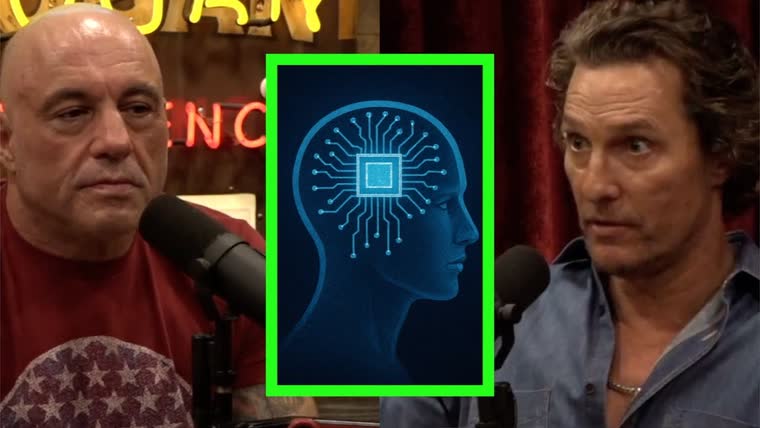
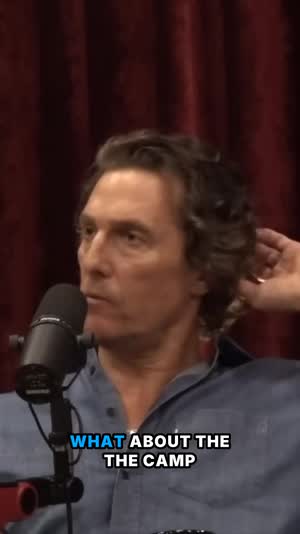
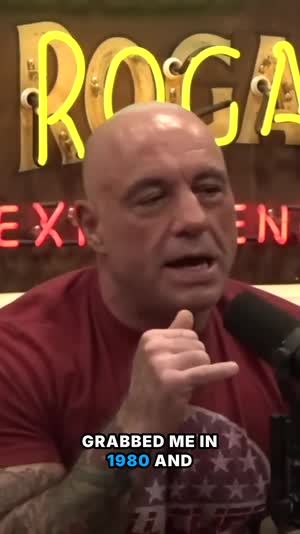
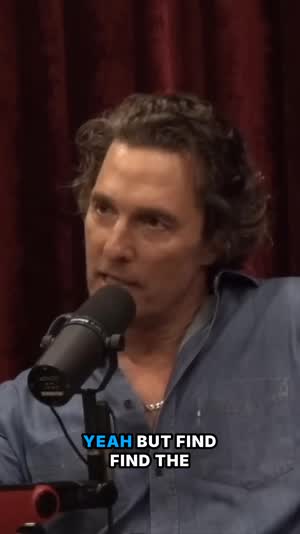
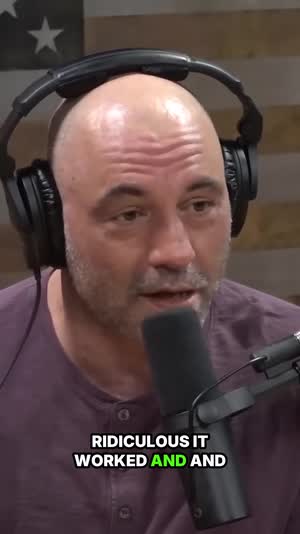
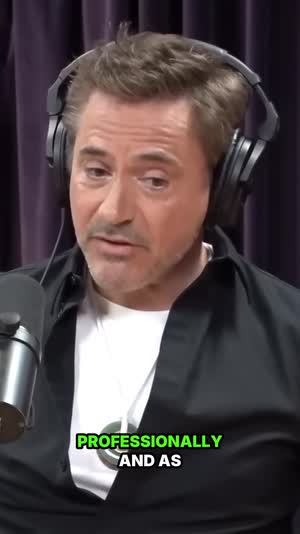
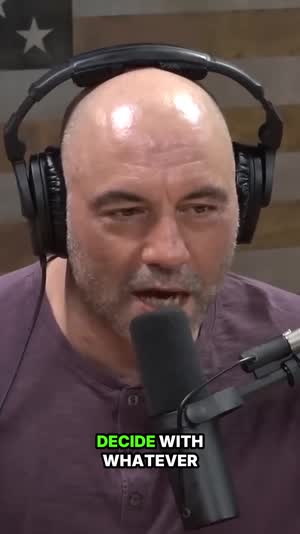
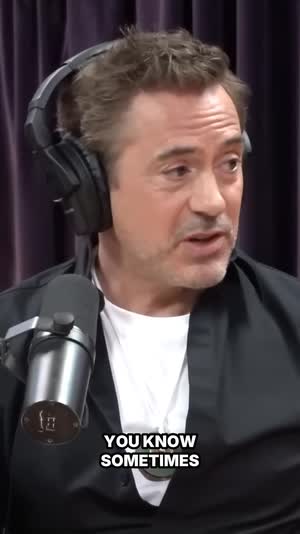
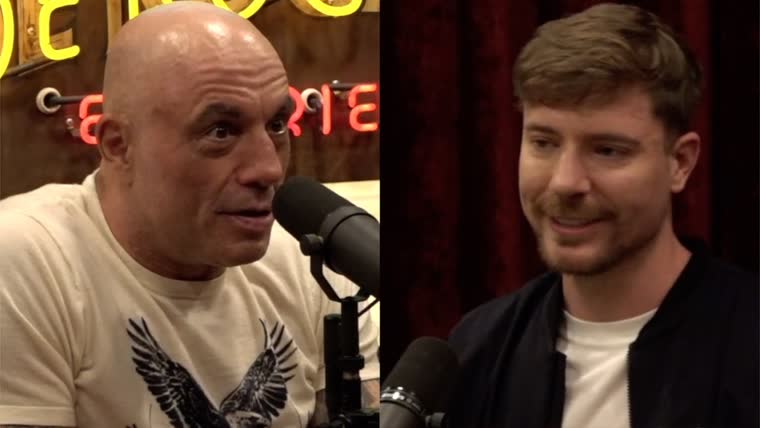
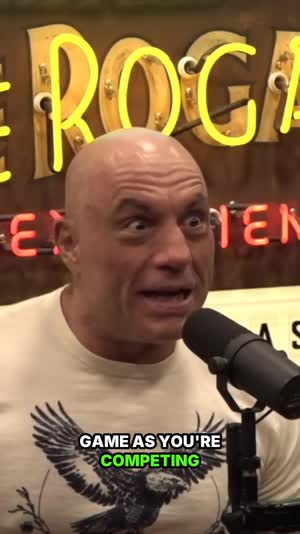
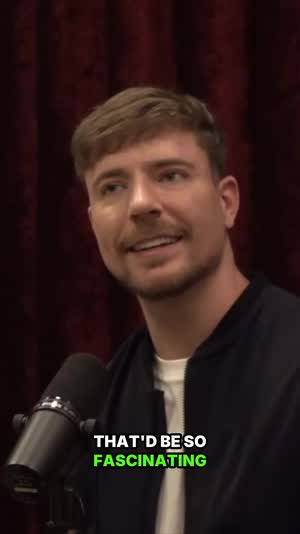
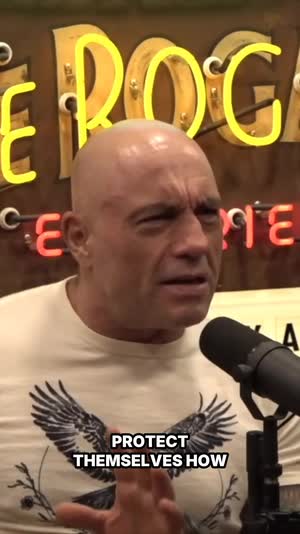
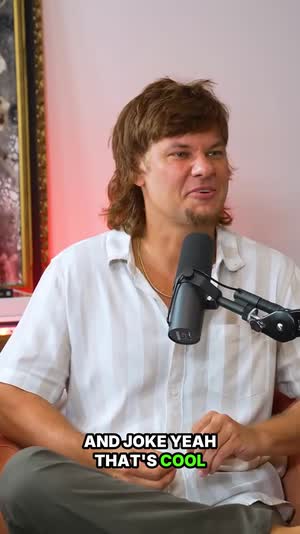
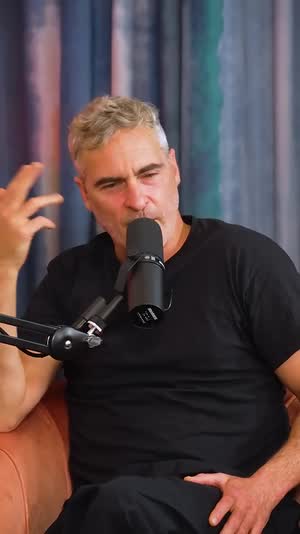
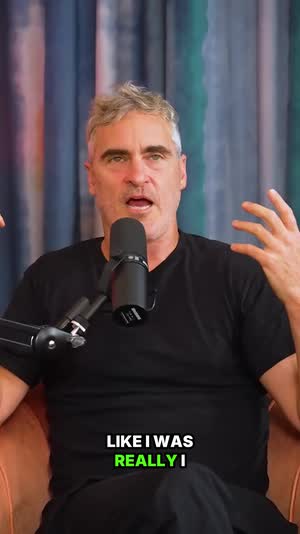
Hand it the episode and get back the moments a listener would have screenshotted anyway: the guest's sharpest answer, the point where you two disagreed, the story that landed. Vertical, captioned word by word, split-screen when both faces matter, and graded so the posting order is decided before you watch any of them.
🎬 Enter any URL under 2 hours
⏱ That video is longer than we can process
Ten to twenty clips per episode
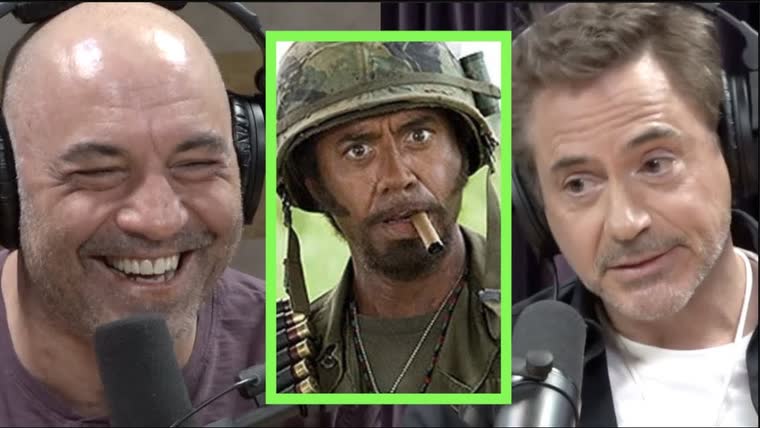
Split-screen for two-hander interviews
Cuts on sentence boundaries
Crosstalk and filler trimmed out
Every clip graded 0-100
One long video in, a week of posts out
Paste a link. Get the best moments.
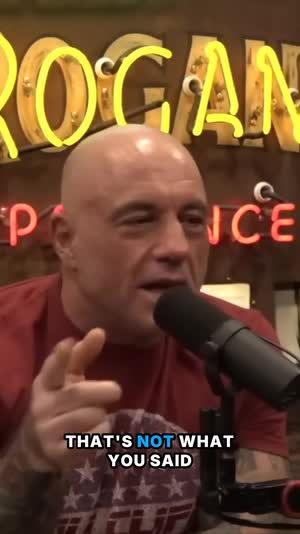
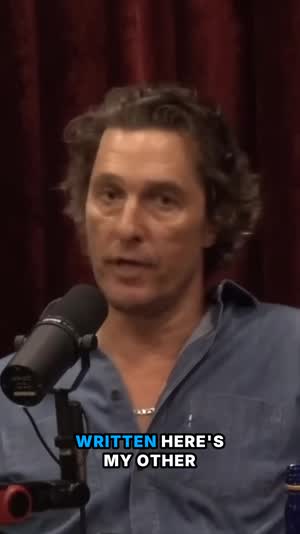
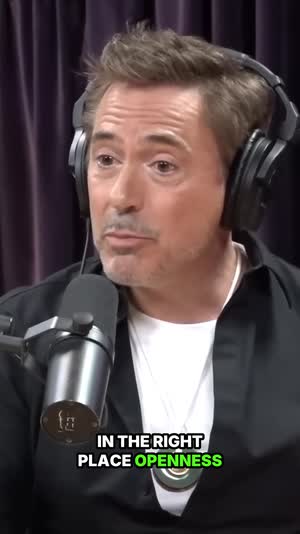
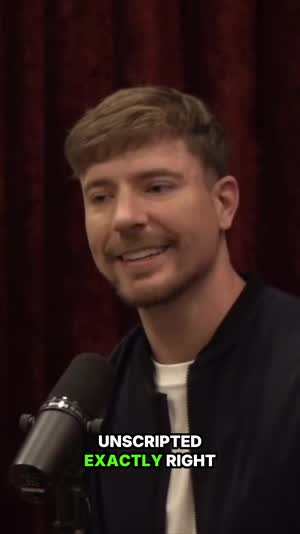
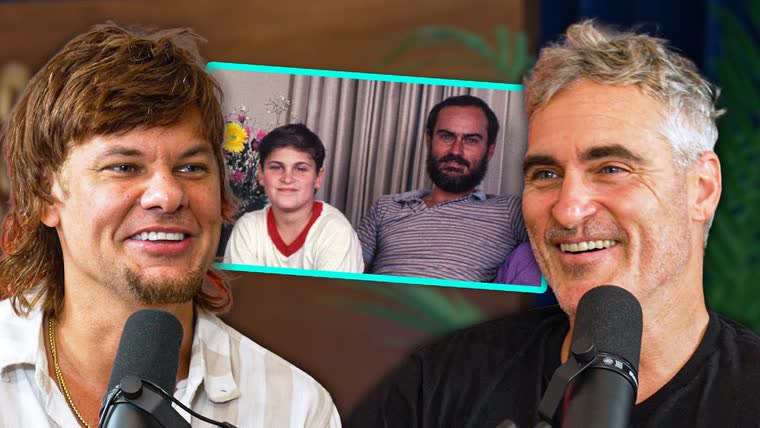
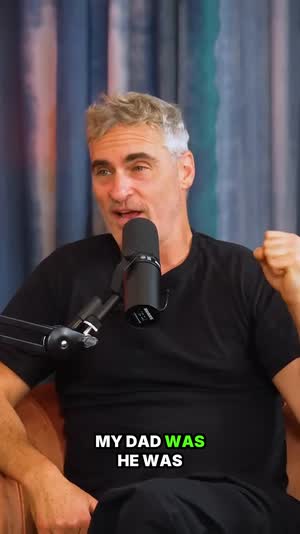
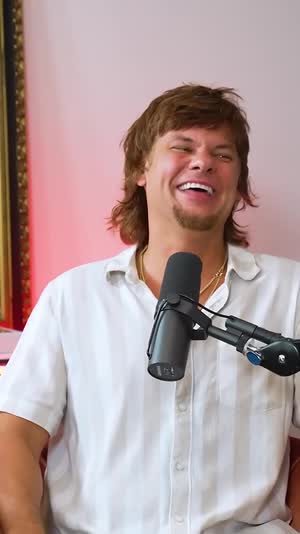
Real ClipSpeedAI output — every clip below was scored, cut, reframed to 9:16 and captioned automatically from the video above it.
For a host who books the guest, runs the mics and edits the episode — by the time the clips are due it is Thursday and the next record is tomorrow.
1
Hand over the episode
Paste the YouTube link to the published episode, or upload the video master straight from Riverside, Zoom, StreamYard or wherever you record. Recordings with each speaker on a separate track work the same as a single flattened file. Every plan takes an episode up to two hours long, the three-day $1 trial included, so you can put a full-length record through rather than testing on a trailer or a short bonus episode.
2
It follows the conversation, not the clock
A podcast is setups and payoffs, and a naive tool slicing every ninety seconds will hand you the setup without the payoff. The model works from the transcript and the audio to find segments that stand alone: a question with its answer attached, a full anecdote, a claim followed by the pushback. That is why a clip from here tends to make sense to someone who has never heard your show.
3
Read a shortlist instead of scrubbing two hours
What comes back is a set of finished clips, each with a title, a caption track already burned in, and a score out of a hundred. You are choosing between fifteen ready things rather than hunting through a waveform. If a clip is close but the in-point is a beat late, drag it and re-render.
4
Post them, and send your guest theirs
Download the winners or queue them to TikTok, Reels and Shorts on the built-in schedule so one clipping session covers the week between episodes. Handing your guest three vertical clips of their own best answers is also the cheapest promotion a show has, and it costs you nothing extra once the clips exist.
Built around how podcasts actually break down
The unit of a podcast is the exchange, not the sentence: a question, two hedges, and the real answer four minutes later. Everything below exists to get an exchange out whole.
🧠
It grabs the answer, not the question
Long-form conversation buries the good part in the middle of a five-minute exchange. The model scores segments on whether they hold on their own, so what you get is the payoff with just enough setup attached — not a clip that ends right before the interesting sentence.
👥
Split-screen and grid for multi-speaker shows
A two-person interview cropped down the middle frames the empty air between the chairs. Split-screen stacks both faces vertically so a viewer can see who is talking and who is reacting, and a four-person panel goes into a grid rather than losing three of the four.
🎯
Speaker-tracked reframe when one face is enough
For a monologue stretch or a single-camera setup, the crop follows the person speaking instead of sitting on a fixed centre point. If your guest leans back or shifts out of frame halfway through a story, the vertical version still has them in it.
🔤
Captions that keep up with fast talk
Conversational speech overlaps and accelerates, which is exactly where lagging subtitles fall apart. Words light up in sync with the audio, burned into the file in one of eleven styles, so nothing has to be re-synced and nothing has to be uploaded alongside the video.
✂️
Filler and dead air removed from every cut
Podcasters say "um" and "you know" more than anyone, because nobody is reading from a script. Those, plus false starts and the pauses while somebody finds a word, are cut automatically — usually several seconds recovered on a forty-second clip, which is the difference between tight and meandering.
📐
No clip starts halfway through a word
Cutting is aligned to where sentences begin and end. This sounds small until you have posted a clip that opens on "—and that is why I left", which reads as broken in the first half-second and loses the viewer before your point arrives.
📊
A score that decides your posting order
Fifteen clips is not a result, it is a new decision. Each one is graded 0-100 on how it opens, how it paces and where the peak sits, so you can publish the top three this week and hold the rest instead of dumping everything on a Tuesday.
🏷
Brand Kit so every episode looks like your show
Your fonts, colours and logo apply across clips, which matters more for a podcast than for one-off content: a person who scrolls past four of your clips in a month should recognise the fourth as the same show as the first.
🔴
Live-recorded shows get clipped during the record
If you record in front of an audience on YouTube, Twitch or Kick, clips are cut while the session is still running. Related: the Twitch clip generator covers that workflow in detail.
🤖
Reachable from Claude or your own pipeline
ClipSpeedAI ships an MCP connector, so you can ask Claude to clip this week's episode and get the files back in the chat. If your show has a production stack already, the same engine has a developer API.
Shows this suits
🎤 Interview and guest shows
The clearest fit. Two faces, long answers, and a guest who will happily reshare a clip that makes them look good.
💼 Business and B2B podcasts
The one concrete number or contrarian take in an hour is the part that travels. Scoring finds it faster than a producer skimming a transcript.
😂 Comedy and banter shows
Laughs cluster, and the audio makes that legible. Filler removal matters most here because the rhythm of a bit is the joke.
🗣 Solo and monologue shows
No split-screen needed, so the work is boundary accuracy: each clip has to be a complete thought, not a slice of one.
📺 Panel and roundtable formats
Three or four people is where manual clipping gets genuinely painful. Grid layouts keep the reactions in, and reactions are half the appeal.
🏭 Podcast agencies and producers
Running clips for several shows a week is volume work. The API means it can sit inside a delivery pipeline rather than being another tab.
Why most podcasts publish clips for three weeks and then stop
Nearly every show starts a clips habit and nearly every show abandons it. The reason is not motivation. Producing one good vertical clip by hand means listening back to find the moment, trimming, reframing to 9:16, generating captions, checking the sync, exporting and uploading — twenty minutes if you are quick and you already knew which moment you wanted. Multiply that by the ten clips an episode deserves and it is a second job attached to a show that probably is not paying for the first one yet.
So the habit collapses in a predictable order: ten clips the first week, four the second, one the month after, none. The archive keeps growing and none of it reaches anyone who does not already subscribe.
Automating the cut changes the arithmetic in a way that is easy to underrate. It is not that any single clip is better than one a careful editor would make. It is that the clip exists at all, on the Thursday it was supposed to, for episode 61 and 62 and 63, instead of being the thing you meant to do.
What separates a real podcast clip from an arbitrary sixty seconds
A clip that works is self-contained. Someone who has never heard of you, scrolling at speed, has to understand the situation within about three seconds and get something out of it before the end. That rules out most of an episode — long stretches of a good podcast are context-dependent by design, and there is nothing wrong with that.
It also has to open on a complete thought. This is the single most common tell of automated clipping: the audio fades up mid-clause, and a viewer reads it as a broken file rather than a deliberate cut. Aligning the in-point to the start of a sentence removes that entirely, and it is why boundary handling gets more engineering attention here than almost anything else.
And it has to be readable with the sound off. Most short-form viewing is muted, which for a podcast — a medium made entirely of talking — is an obvious problem. Burned-in captions timed to individual words are the fix, and they need to be exact, because a subtitle running half a second behind the mouth is worse than no subtitle at all.
Five mistakes that get a podcast clip skipped
The first is leading with your own question. Twenty seconds of a host setting something up burns the only part of a clip you can count on being watched. Open on the answer and let the question be inferred, or keep one short line of it as a runway and no more.
The second is publishing all of them at once. Dumping fifteen clips into a feed on release morning teaches both the algorithm and your followers that your account is noise. Three good ones, spaced across the days before the next episode, outperform the flood every time.
The third is captions nobody can read on a phone held at arm's length: small type, weak contrast, four lines stacked at once. The fourth is posting an excerpt rather than a clip — if it only lands for someone who heard the preceding ten minutes, it is not going to work on a stranger. And the fifth is never naming the show inside the clip itself, so a viewer who loved it has no idea what to search for after they swipe away.
A weekly workflow that is still running at episode sixty
Tie clipping to a fixed point in the week rather than to inspiration. The version most shows settle on is: submit the episode the moment the video master exists, review the shortlist for ten minutes on release morning, and schedule the keepers before you do anything else with the day.
From a typical hour-long episode, pick five or six and spread them from release day through to the day before the next one. Hold anything evergreen — a clean explanation, a story that does not depend on a news cycle — in reserve for a week when recording slips, because every show eventually has one.
Then send the guest their three. Do it on release morning with the files attached and no request in the message. It takes two minutes once the clips already exist, and it is the difference between an episode that reaches your audience and one that reaches theirs as well.
Every few months, go back through the archive and run an old episode that never got clipped. Nobody who finds you on TikTok knows or cares that it was recorded in March, and a back catalogue is free inventory you already paid for.
Troubleshooting an episode that came back with four clips
A thin shortlist is usually the episode rather than the engine, and it is worth diagnosing before you conclude the tool does not work on your show. The most common cause is an hour of agreement. Two people who like each other and share a worldview produce a pleasant listen and almost no self-contained segments, because nothing in it resolves — there is no question with a sharp answer attached and no claim anyone pushes back on. That episode has four moments in it. The shortlist is right.
The second thing to check is the audio you sent. A guest on a laptop microphone in a room with a fan is legible to a human listener doing the work of understanding, and considerably less legible to a transcript. When the words come back wrong, the moment scoring reads a garbled sentence rather than a good one, and the segment quietly does not surface. Sending the video master instead of the published upload usually helps here, since platform compression is applied to the audio as well as the picture.
Third: check what is on screen for most of the runtime. If your video version is a static cover image with a waveform on it, there is no face to track and no layout decision to make, so you get captioned rectangles rather than clips. That is a filming problem, not a settings problem, and no reframing engine solves it. If your show is a straight two-hander, the interview clip generator page goes further into where a clip should start relative to the question.
And sometimes the answer is simply to run a different episode. The shortlist length varies more between episodes of the same show than it does between shows, which is itself useful information: it tells you which of your recording setups and which of your guest types actually generate short-form supply.
Your guest is a distribution channel you already booked
Every guest arrives with an audience that has never heard your show. Most of them would happily post a clip of themselves saying something smart — they just are not going to open an editor to make one, and neither, realistically, are you at 11pm on release day.
The reason this rarely happens is purely that clip production is expensive in time. When an episode yields fifteen finished clips for the price of pasting one URL, a guest pack stops being a nice idea and becomes a default part of shipping the episode.
When this is not the right tool for your show, and the alternatives that fit better
Some formats do not contain clips, and no engine changes that. Say you make a narrative documentary podcast where an hour is scripted, scored and built to be heard in order: the value is cumulative, nothing in the middle stands alone, and a forty-second excerpt is a trailer at best. Trailers are a writing job, not a selection job. Cut those yourself, or have whoever edits the episode cut them, because the decision is about what to withhold rather than about which moment was strongest.
A show with no camera is the second case. If the video version is a static cover image with a waveform bouncing over it, there is no face to track and no framing decision to make, and what comes back is a captioned rectangle. An audiogram tool is the honest alternative there and it costs very little. The better long-term answer is a camera, even a bad one, because a face in a feed outperforms artwork by a margin that has nothing to do with production values.
Then there is content where an out-of-context clip is a liability rather than an asset. Take the case of a therapist, a clinician or a reporter working through a difficult subject across twenty careful minutes: the caveats are load-bearing, and a clip that lifts the conclusion away from them is not a shorter version of the episode, it is a different and worse claim. Automatic selection reads for attention, not for exposure. If that describes your show, a person has to approve every cut before it leaves the building, and the tool becomes a shortlist generator rather than a publishing pipeline.
And if the real problem is that nobody knows the show exists, clipping is not the fix on its own. Fifteen clips posted to an account with no audience reach roughly nobody. Guest reshares, cross-posting and appearing on other people's shows are what move that number, and clips make each of those easier — but the clips are the ammunition, not the strategy.
What still has to be done by hand once the clips come back
The engine decides which moments hold attention. It does not decide what your show is arguing this month, and that is the judgement that separates a feed with a point of view from a feed of assorted good bits. Imagine a three-hour episode that produced eighteen strong clips: the useful question is not which four scored highest but which four make somebody understand what your show is for. That ordering is yours and it takes about ten minutes.
The post text is the second manual job and the most underrated. A clip arrives with a title drawn from what was actually said, which is a serviceable start and almost never the sharpest available framing. The line you type above the video is the only part a viewer reads before deciding, so writing it deliberately is worth more per minute than any adjustment inside the clip itself.
Third, read the clip before you publish anything sensitive. Not for transcription errors — for whether the point survives the loss of context, whether a number was said correctly, and whether a guest would recognise themselves in the excerpt. Ten seconds of reading prevents the correction that costs an afternoon.
Everything else genuinely should be automatic. Reframing, captioning, boundary placement and the first pass of selection are mechanical work that a person performs worse than a machine at eleven at night on release day, and handing them back to yourself is how the clipping habit died the first three times you tried it.
Three things running conversation audio through this taught us
Observations from operating the pipeline in production — not general advice.
Punctuation is what a boundary cutter actually runs on
Cutting on sentence boundaries sounds like a transcript feature until you look at what a published caption track contains. Plenty of them arrive as one unbroken run of words with no full stops anywhere in them, which is why the boundary work here runs off our own word-timed transcript rather than whatever caption file is already attached to the video. It is also why an episode with no punctuation available still opens on a complete thought: the sentence structure is recovered from the audio, not read off the platform.
Nothing ships under fifteen seconds, and that floor is deliberate
There is a hard minimum on clip length in the pipeline. The cutter will extend a segment rather than hand back anything shorter than fifteen seconds, and the reason is that filler and silence removal is aggressive on conversational audio. A forty-second exchange routinely loses several seconds of ums, false starts and the pause while somebody hunts for a word. Without a floor applied after that trimming, a tight punchline collapses into a fragment that reads to a scrolling viewer as a broken upload rather than a joke.
The top-scored clip is not always the one to post first
The 0-100 grade reads the audio arc: where the clip opens, how it paces, where its strongest moment falls. It does not look at the still frame a viewer sees before pressing play. In practice that means the highest-scoring clip of an episode is sometimes the one with the worst cover frame — a mid-blink, a hand across the mouth, a guest reading their notes. Rank the shortlist by score, then look at the first frame of the top four before you schedule them, because those are two separate judgements and only one of them is automated.
Compared with how a weekly show gets its clips made
vs. adding clips to what you already pay your editor
Most shows that film already pay someone to cut the episode, so clips look like a small line added to an invoice that exists anyway. They are not. Episode editing is one long linear pass; clips are fifteen separate framing, captioning and titling decisions, quoted separately and delivered on a schedule that suits the editor rather than your release day. Keep the person for the trailer and the flagship cut, where taste changes the result, and let the routine fifteen come back the afternoon the master exists.
vs. audiogram tools left over from the audio-only era
Waveform-over-artwork tools solved a genuine problem when podcasts had no camera, and they are still the correct answer for a show that never films. Two things they will not do. A bouncing waveform does not hold its own against a human face in a video feed, and an audiogram tool has no opinion about which sixty seconds of your episode deserve rendering. Choosing the moment is the expensive part of clipping, and that is exactly the part those tools leave sitting with you.
vs. posting the whole episode vertically instead
Both TikTok and YouTube take long uploads now, so a fair number of shows skip clipping entirely and post the episode itself, on the theory that people will scrub to the good bit. It costs nothing and it occasionally works. What it does not do is give a stranger a reason to stop, because the opening seconds of an episode are a greeting and a sponsor read rather than the best thing in it. A clip argues for the episode. The episode does not argue for itself.
vs. AI clippers built for one person and a webcam
Most of the category is tuned for a single talking head, and it shows the moment a second chair enters the frame: the crop settles in the empty air between two people, or it locks onto whoever the detector saw first and misses every reaction. Three things here are unusual once a show has guests — split-screen and grid layouts, clipping while a live-recorded episode is still running, and an MCP connector so you can ask Claude for this week's cuts. The test that settles it is one episode through both engines, read against your own memory of the conversation.
Frequently asked questions
How many clips will one episode produce?
A typical hour-long interview yields somewhere between ten and twenty clips worth posting. A tight twenty-minute solo episode might produce three or four. We return what stands on its own rather than padding to a round number, so the count moves with how much of your episode is genuinely self-contained.
Does this work if my podcast is audio only?
Not directly — the engine works on video. If you have no camera footage there is nothing to reframe and no face to track, and we do not generate visuals to fill the gap. Many audio shows publish a video version to YouTube; if yours does, that URL works here.
How does it handle a host and guest on screen together?
Two-person footage usually gets the split-screen layout, with both faces stacked in the vertical frame so the reaction is visible alongside the person talking. That matters because half of what makes an interview clip land is the other person's face while they hear it.
What about a panel with three or four guests?
Grid layouts cover three-up and four-up, so a roundtable stays legible vertically instead of cropping down to whoever happens to sit in the middle. On a wide static shot of a table, the fill layout with speaker tracking is often the better result — you can switch layout and re-render either way.
What does it cost to try the podcast clip generator?
It starts at one dollar for three days, which is priced that way because the only honest test is a real episode rather than a sample, and one dollar is cheap enough that you can run the test before deciding anything. After that it is thirty-nine dollars a month for Pro. Cancelling takes a single click and an email goes out before the trial converts.
Do podcast clips come out with a watermark?
No. Clips render clean from the very first one, trial included, with no mark of ours anywhere in the frame. If you would rather have your own show mark on every clip, the Brand Kit puts your logo there instead.
How long can an episode be?
Two hours per upload, and that ceiling is the same on the trial as it is on a full plan. If you run a three-hour show, split the file at a natural break and submit both halves — the clip quality is unaffected, you just get two batches.
Can I just paste the YouTube link to my episode?
Yes, and it is the quickest route, since nothing has to upload from your machine. Uploading the master file is the better option when you want to clip before publication, or when your video version never goes to YouTube at all.
Does it accept Riverside, Zoom or StreamYard recordings?
Any standard video file works. If your platform exports separate per-speaker tracks, either flatten them first or upload the combined recording — the layout engine reads what is on screen, so it needs the composited video rather than the raw isolated angles.
Will a clip ever begin in the middle of my guest's sentence?
Cuts are aligned to sentence boundaries specifically to avoid that, so a clip opens at the start of a thought and closes at the end of one. It is the most visible difference between an automated clip that reads as intentional and one that reads as broken.
Do the clips arrive captioned, or do I subtitle them after?
Captions are burned into the exported file, so nothing extra is needed and nothing can drift out of sync later. Words highlight individually as they are spoken, and there are eleven styles to pick from if the default does not fit your show.
Can I make the captions match my show's look?
Yes — switch between the caption styles and set your fonts and colours in the Brand Kit. Consistency compounds for a podcast, because the payoff is a viewer recognising your clips before they read the handle.
What does the 0-100 score tell a podcaster?
It grades how the clip opens, how it paces, and where its strongest moment falls. Read it as a ranking tool rather than a prediction: it is good at telling you which four of fifteen clips deserve your limited posting slots, which is the real decision in front of you.
Can I nudge the in-point before I post a clip?
Yes. Move the start and end, change layout, swap the caption style, rewrite the title, then re-render. Nothing is locked, and the usual edit is pulling an in-point a second earlier because you want a little more setup.
Can I tell it to only find clips of my guest?
No, and it is worth being clear about that. Selection is driven by which moments hold attention, not by who is speaking. In practice the guest dominates the shortlist on most interview shows anyway, because the guest is doing most of the talking.
Does it clean up crosstalk and ums?
Filler words, false starts and silences are removed automatically on every clip. Genuine simultaneous speech is left alone — two people talking over each other is often the most alive moment in an episode, and cutting it would flatten the exchange.
Can I schedule an episode's clips across the week?
Connect your accounts and post immediately or queue ahead on the built-in calendar. Most shows use it to spread one episode's clips across the days before the next one drops, so the feed stays active between releases.
Which aspect ratios do podcast clips export in?
Vertical 9:16 for TikTok, Reels and Shorts; 1:1 square for feed placements; and 16:9 if you want a widescreen cut for a newsletter embed or your own site. Vertical is the default because that is where the discovery is.
Can I put my podcast artwork or logo on the clips?
Yes, through the Brand Kit, which stores your logo, colours and fonts and applies them to everything you render. It is the closest thing to a house style that automated clipping can give you.
How long does an episode take to process?
Usually a few minutes, scaling with runtime and current queue depth. You do not need to keep the tab open — start the job, go and do something else, and the clips are in your library when you come back.
Do you dub podcast clips into other languages?
No. Transcription and captions work across major languages, with English the strongest, but we do not produce dubbed audio or translated voice tracks. If you need a Spanish-language version of an English clip, that is a different tool.
Do you add stock footage or generated visuals to a clip?
No. There is no video generation here, no stock insertion and no synthetic imagery layered over your episode. What you get is your own footage, cut, reframed and captioned. Any tool promising generated visuals on top of your podcast is doing something we deliberately do not.
Can it clip a podcast that I record live in front of an audience?
Yes. Connect the YouTube, Twitch or Kick channel you stream to and clips are produced during the recording rather than after the VOD lands, which is unusual — most clipping tools only work on finished files.
Is there an API for a podcast production pipeline?
There is, and it runs the same engine as the web app. Studios with more than one show usually wire it into whatever they already use to move episodes around. Details live in the developer docs.
What happens to my episode after processing?
It is used to produce your clips and nothing else — we do not publish it anywhere and the output belongs to you. The privacy policy sets out how the files are handled in detail.
Will it clip the sponsor read or the ad break?
There is no ad detector, so treat this as something worth glancing at rather than something handled for you. Reads rarely reach the shortlist, because a scripted plug does not hold attention the way an argument does, but a host who riffs halfway through one can produce a segment that scores perfectly well. Delete it from the shortlist and the rest of the batch is unaffected.
What if the shortlist misses the moment I wanted?
Run the trial on an episode you know inside out — you will immediately see whether its shortlist overlaps with yours. If a moment is missing you can still cut it manually from the same source, but the honest test is whether the automatic shortlist is good enough that you rarely need to.
How do I cancel if clips are not working for my show?
One click in your account. Access continues to the end of the period you already paid for, nothing bills after that, and we notify you by email before a trial rolls into a subscription so it never happens quietly.
Clip the episode the day it drops
Episodes up to two hours go straight through, on any plan. It starts at one dollar for three days, then thirty-nine a month — one click to cancel, and an email before the trial converts.