One long video in, a week of posts out
Paste a link. Get the best moments.
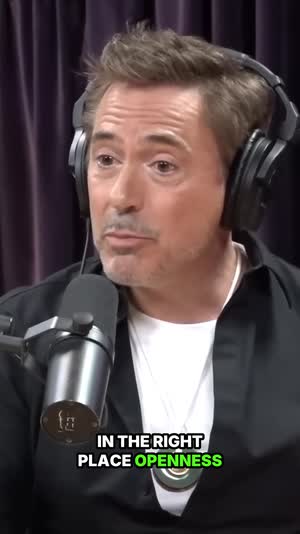
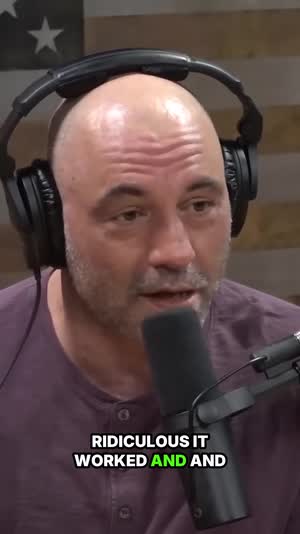
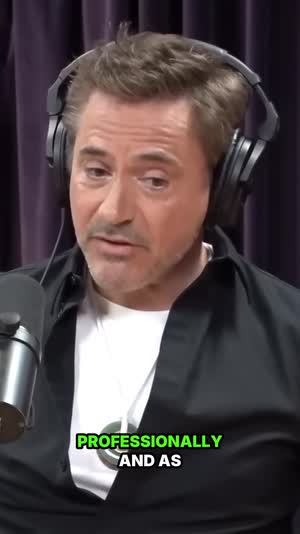
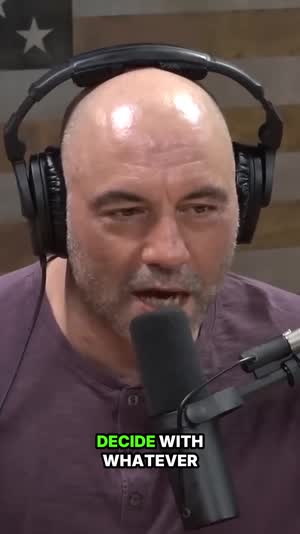
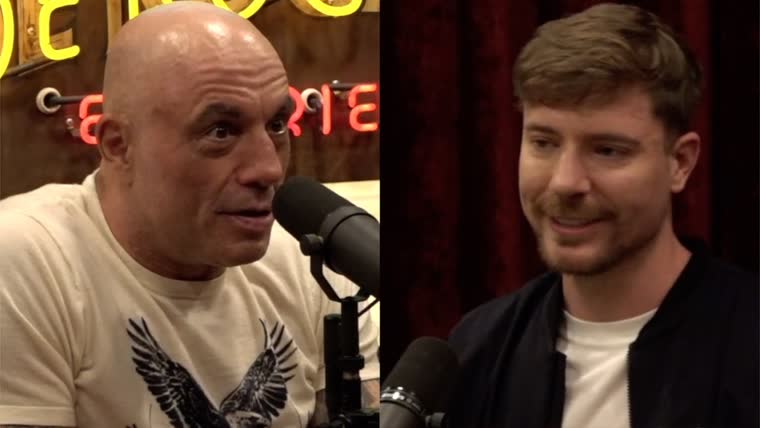
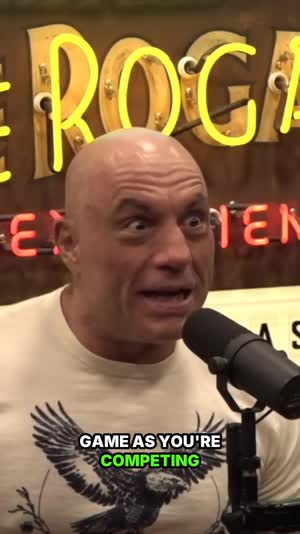
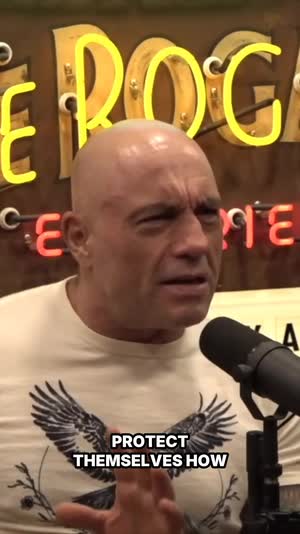
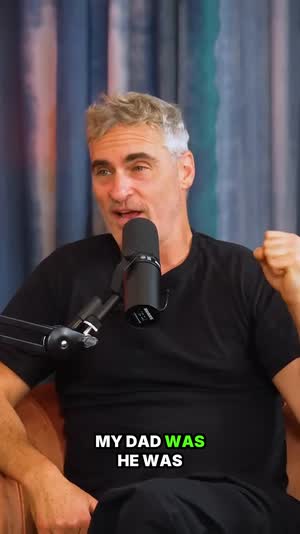
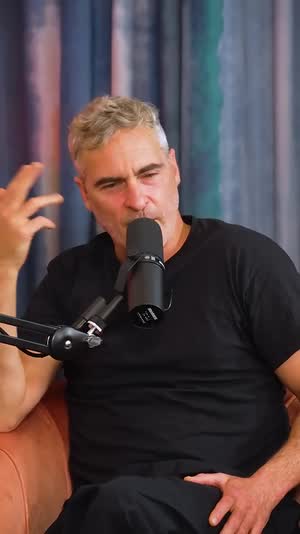
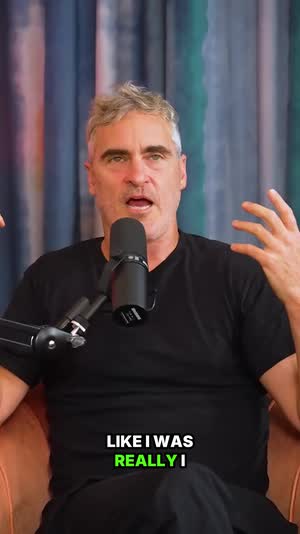
Real ClipSpeedAI output — every clip below was scored, cut, reframed to 9:16 and captioned automatically from the video above it.
Making Reels from something you already recorded
The recording is done. What follows is the part nobody enjoys, so it is the part we took.
1
Hand it the source
Paste a YouTube URL or upload the file directly — a webinar recording, an interview, a livestream replay, a talking-head video that ran too long for the feed. Every plan takes source video up to two hours per upload, the $1 trial included, which covers most single-session recordings end to end.
2
Let it pick the moments and build the frame
The model works through the entire runtime and marks the passages that stand on their own: a claim with a number behind it, a story that resolves, the sentence someone said twice because it mattered. Each one becomes a clip cut on sentence boundaries, reframed vertical with the speaker tracked, filler trimmed, and captions timed word by word.
3
Choose the cover, then queue the week
Every Reel arrives with a score and a suggested title. Sort by score, pick your five, and either download them for the Instagram composer — where you set the cover frame and add audio — or connect the account and let the scheduler publish them across the week without you opening the app again.
Built around how Reels actually behave
Generic vertical output is not the same as a Reel that survives the feed. These are the differences that show.
🔍
Moment selection instead of a timeline
Scrubbing a ninety-minute recording for the four good bits is the reason most people post one Reel a month rather than twelve. The model reads the whole thing and hands back a shortlist. You are reviewing candidates, not hunting.
📐
A genuine 1080 × 1920 frame
Not a landscape clip with black bars stacked above and below it, and not a blurred copy of itself filling the gaps. The frame is rebuilt at Reels dimensions with the subject inside it, so the video fills a phone screen the way native vertical footage does.
👤
The speaker stays in frame
Cut a two-person conversation down the middle of a 16:9 frame and you get a Reel of the wall between them. Tracking follows whoever is talking, and when two people trade lines quickly the split layout keeps both faces visible instead of whipping side to side.
💬
Captions in the readable band
Instagram stacks your username, the caption preview and the audio ticker along the bottom of a Reel, and the like and share controls run up the right side. Anything burned into those zones is partly hidden. Preview the clip before you export and switch style if the words sit too low — there are eleven to choose between.
📊
A grade that sets your posting order
Twelve Reels come back and three of them deserve a slot. The 0-100 score reads how the clip opens, how tightly it paces, and where its strongest beat falls, which turns an undifferentiated folder of exports into a ranked queue.
✂️
Dead air removed before you see it
Pauses, restarts and verbal tics are cut automatically. On a Reel that is meant to land in under a minute, four recovered seconds is the difference between a tight opening line and a viewer thumbing past while someone clears their throat.
🎨
Brand Kit for a consistent grid
Your fonts, colours and logo applied across every export, so a profile visitor scrolling your Reels tab sees one account rather than a dozen unrelated experiments. Consistency does more for a follow than any individual clip does.
🗓
Scheduling to Reels, TikTok and Shorts together
The same vertical file belongs on three platforms. Connect the accounts once and queue the batch in a single sitting, which is how a Tuesday afternoon of clipping turns into three weeks of scheduled posts.
🔴
Reels cut from a stream in progress
Connect YouTube, Twitch or Kick and clips are produced while the broadcast is still running. A moment can be a Reel within minutes of happening, rather than after you have downloaded a VOD the following morning.
🤖
Reachable from Claude or your own code
ClipSpeedAI runs as an MCP connector, so you can ask Claude for Reels from a link and get finished files back in the conversation. The same engine sits behind a developer API if you would rather script it.
Who ends up using this for Reels
💄 Creators with a long-form channel
Your YouTube audience and your Reels audience barely overlap. Republishing the strongest three minutes of a twenty-minute video reaches people who would never have clicked the original. The YouTube Shorts maker covers the same source from the other end.
🏋️ Coaches and consultants
A client call or a workshop recording holds several complete answers, each of which is a Reel that demonstrates competence rather than announcing it. Those clips convert better than anything written about your services.
🎙 Podcast hosts
Instagram is where podcast discovery happens for a lot of audiences now, and it wants vertical with captions. See the podcast clip generator for the episode-shaped version of this workflow.
🛍 Small brands and shops
Founder explanations, product walkthroughs, behind-the-counter footage — you already film more than you post. The bottleneck is editing, and removing it usually multiplies output rather than improving any single clip.
🎓 Course creators and educators
A self-contained explanation lifted from a lesson works as a Reel because it teaches something in forty seconds. It also functions as a free sample of the paid material.
🏢 Studios handling several Instagram accounts
Volume across a roster is the job. The API and the Brand Kit mean per-client styling can be set once and applied without an editor opening each file.
The part of the frame Instagram actually shows
A Reel is displayed at 9:16 on a phone, but the whole rectangle is not usable. Instagram draws your username, the caption preview and the audio attribution over the lower portion, and the like, comment, share and menu controls run up the right edge. Anything you burn into those areas competes with the interface. This is the most common reason a Reel exported from a landscape source looks amateur even when the footage is good — the subtitles were placed against the bottom of the video, and half of them now sit behind an interface element.
There is a second crop to think about. Your profile grid does not show the full vertical frame; it shows a taller-than-wide slice taken around the middle. A face parked near the top or bottom edge of the frame can be cut out of the thumbnail entirely, which matters because the grid is what a visitor judges before deciding to follow. Tracked reframing tends to keep the subject nearer the middle by default, and that happens to be exactly what survives the grid crop.
The practical version: watch the preview on a phone, not on a laptop. If the words are legible with the interface over them, and the face reads in the middle third, the Reel is built correctly. Everything else is content.
Cover frames, and what we do not do for you
Instagram lets you pick any frame from the Reel as its cover, or upload a separate image. We do not generate a cover image for you, and we do not pretend to — that is a design job with a brand attached to it, and an automatically chosen frame is usually someone mid-blink. What we do is make the choice easier, because clips start on a sentence boundary rather than in the middle of a word, so the opening second is generally a composed shot of someone about to speak instead of a stray gesture.
When you do choose one, the rules are boring and reliable. Pick a frame where the eyes are open and pointed roughly at the lens. Avoid the frames where a caption word is mid-animation, since a half-drawn word reads as a glitch at thumbnail size. If your niche rewards it, a cover with a face beats a cover with a product almost every time.
The other thing we deliberately leave alone is audio. We do not add trending sounds, because we do not have a licensed audio library and quietly attaching one would be dishonest about what the file contains. If a particular Reel needs a trending track, publish that one by hand through the Instagram composer and add it there. For the rest, the spoken audio and the captions carry it, and that is how most talking-head Reels perform anyway.
Export settings, and the two routes a Reel takes out of here
Every clip leaves as an MP4 with the captions burned into the pixels rather than carried alongside as a separate file. That is deliberate for this platform: there is no subtitle track to switch on inside Reels, sound-off viewing is ordinary in that feed, and text that depends on a player setting is text a silent viewer never receives. It also means the words survive a repost — someone downloading your Reel and putting it up elsewhere takes the captions with them whether they meant to or not.
The frame is 1080 × 1920. If the same moment also has to serve a square grid post or a landscape upload somewhere else, re-render it at 1:1 or 16:9 rather than letting another app crop the vertical file down — the framing is recalculated for the new shape, which is not the same thing as a vertical clip being trimmed at the sides by whatever container it landed in.
From there the file goes out one of two ways. The first is download: you carry it into the Instagram composer yourself, which is where the cover frame gets chosen, the caption body written, a trending sound attached if that Reel wants one, and the decision made about whether it also lands on the main grid. The second is the scheduler: connect the account, drop the clip on a date, and it publishes without you being awake for it.
Those two routes are not equivalent, and it is worth knowing which decisions live on which. What the scheduler hands Instagram is the exported video and its text. Anything the composer owns — the cover image, the trending audio — is unavailable on the automated path, so a sensible working pattern is to let the calendar carry the clips that need neither and hold back the one or two that do.
One constraint on the scheduled route belongs to Instagram rather than to us: it runs through their professional-account publishing tools, and a personal account cannot be published to programmatically by any service. Switching to a creator or business account takes about a minute in the Instagram settings and costs nothing. If you would rather not switch, downloading the files and uploading them by hand works from any account type and loses you nothing except the calendar.
Troubleshooting: four Reels that came back unpostable
Say you ran a 45-minute product walkthrough through it and got nine clips back, of which four are not going anywhere near your grid. Working out which of the four failures you are looking at is quicker than re-running the whole job, because three of them are a setting and only one of them is the footage.
The first is captions you cannot read on a phone. This is nearly always contrast rather than size — pale type over a bright kitchen, a window blowing out behind the speaker's shoulder. Switch to a caption style with a solid backing plate behind the words instead of reaching for larger text, because bigger letters in the same colour are still invisible against the same background.
The second is an ending that lands flat. Cuts are placed at sentence edges, and a sentence edge is not automatically a good place to stop. For example, an answer that trails out with "and yeah, that is pretty much it" finishes a sentence and kills a Reel in the same breath. Pull the out-point back to the previous full stop and re-render — both versions are legal cuts, and the shorter one almost always ends stronger.
The third is framing that hunts. A speaker who rocks in and out of shot, or a second person who wanders into frame halfway through, gives the tracker more to follow than you want it following. Two-person footage belongs in the split layout, and anything shot in a room where people move around belongs in a wider static layout. Tracking is the right default; it is not the right answer everywhere.
The fourth is a batch that comes back thin — three clips out of a long recording when you were expecting ten. That is usually the source, not the model. Sessions that are mostly logistics, screen-share and two people agreeing with each other contain very few passages that stand up alone, and inflating the count would only hand you clips that die in the feed.
Mistakes that make a Reel look repurposed
The first is bars. A landscape clip dropped into a vertical container with black or blurred strips above and below it announces its origin before the first word is spoken, and it hands away more than half the screen on a device where screen space is the only currency you have.
The second is starting cold. A Reel that opens halfway through a sentence gives a viewer nothing to hold onto in the half-second they are deciding, and that half-second is the entire contest. Cutting on sentence boundaries fixes the mechanical version of this problem; choosing a moment whose first line makes sense on its own is the part still left to you.
The third is length as a habit rather than a decision. People trim to a duration because it feels tidy, which produces Reels that stop before the payoff or drag past it. Let the thought decide where the clip ends, then check whether the last three seconds are earning their place.
The fourth is inconsistency across the grid. Ten Reels in ten different caption styles with three different logo positions read as ten experiments rather than one account, and a profile visitor deciding whether to follow is judging the set, not the clip that brought them there.
The last one is subtler. If every Reel you post is an excerpt from something longer, the account starts to feel like a trailer for content that lives elsewhere. Mixing in something filmed vertically and made only for Instagram keeps the profile from reading as a feed of leftovers.
Posting cadence: the strategy behind volume over polish
Reels reach is decided per post. A weak one costs you almost nothing, and a strong one can reach people who have never heard of you regardless of how small your following is. That shape rewards attempts. An account posting five Reels a week with two duds is in a materially better position than an account that publishes one polished Reel a month.
Understanding that has never been the problem. Sitting down to cut, reframe, caption and export twenty clips by hand is the problem, and it is a problem that gets worse the more you record. Automating the mechanical part changes the constraint from your evening to your judgement about what to post, which is the constraint you actually want to be operating under.
One caveat worth stating. Volume only compounds if the clips are individually watchable, and a clip that opens mid-thought or frames a shoulder instead of a face is not watchable. That is why the cutting and framing decisions on this page get more attention than the throughput does.
Alternatives to this workflow, and when each one wins
Automation is not the only road to a Reel, and knowing what the other roads cost is how you avoid overpaying for the wrong one. The cheapest alternative is also the one people skip: if a piece was always destined for the feed, film it vertically to begin with and the reframing question never arises. Nothing here beats footage that was composed for the frame it will be watched in.
Editing by hand in Premiere, Resolve or CapCut has the highest ceiling and the worst throughput, and both of those facts matter. Imagine you have four Reels to make this month and a firm opinion about every frame of them — hand editing wins outright, and no shortlist will out-taste you. At twenty a month it stops being a choice and starts being your evenings, which is the point at which people quietly go back to posting once a fortnight.
Hiring an editor moves the labour rather than removing it, and it prices per clip, so it gets more expensive exactly as your strategy asks for more volume. The split that works for most people is to route the ordinary weekly output through automation and spend the editor budget on launches, paid ads and anything where a human on the timeline visibly changes the outcome.
Other AI clippers cover the same ground and several are good at it. Take the common case of a weekly show that goes out live and then sits as a VOD: most tools can only start once the recording exists, whereas clipping during the broadcast means the moment is postable while people are still talking about it. If you never work from live sources that difference is worth nothing to you, and you should pick on framing and cut quality instead — the face-tracking crop and viral score pages go deeper on both than a comparison table can.
The last alternative is doing none of this and posting the long video only. That is a real option, and for a small number of accounts it is correct — a channel whose audience arrives through search and stays for depth may gain nothing from a Reels tab. Worth being honest with yourself about which one you are before you build a clipping habit you resent.
What we have learned running this engine
Observations from operating the pipeline in production — not general advice.
Caption safety is decided by the style you pick, not at export
Each of the eleven caption styles pins its text block at a different height inside the 1080 × 1920 frame, and the renderer holds no model of where Instagram will later paint the username row, the caption preview and the audio ticker. Nothing warns you when a style collides with that strip, because from the engine's side nothing has gone wrong — the pixels sit exactly where the style specifies. In practice that makes the preview the step worth slowing down on, and swapping style the actual fix, rather than trying to nudge text after a clip has already rendered.
The scheduler posts a file, so composer-only decisions never reach it
What goes over the wire on a scheduled Reel is the exported video and its text, and that is the whole payload. No cover image travels with it and no soundtrack does either, which is why a trending audio pick has to happen inside the app on that specific post. The consequence is a split queue rather than a broken one: the clips that need neither go on the calendar and publish themselves, and the two or three that want a particular cover frame or a particular track get pulled out and handled manually.
The opening frame is a by-product of where the boundary landed
Cut points are read off a per-word transcript and placed at sentence edges, so the first frame of a Reel is whatever the speaker's face happened to be doing in the instant before their first word — not a frame anybody selected. That is not cover-frame generation and we do not present it as such. What it changes is where the usable frames cluster: they bunch into the opening second, before the hands have started moving, which is why scrubbing for a cover on these exports is a short job and the same task on a clip cut at an arbitrary timestamp is not.
How this compares to the other routes
vs. cutting Reels in the Instagram app
The in-app editor is fine for something filmed vertically on a phone in the last hour. It is a poor place to work from an hour-long landscape recording: there is no way to search the footage for the good part, and reframing means manually dragging a crop box across a video you have to watch in full first.
vs. CapCut and template-based editing
CapCut will do a beautiful job of any clip you have already identified, and its templates are genuinely good. The gap is upstream — nothing in that workflow tells you which forty seconds of the recording to drop into the template, and that decision is where the hours go.
vs. paying an editor per Reel
Per-clip pricing makes volume expensive precisely when volume is the strategy. A sensible split is to run the routine output through automation and save the editor for launches, ads and anything where a human eye on the timeline changes the result.
vs. rival AI Reel tools
Most handle the same core job on uploaded video. Two things here are less common: clips are produced from a live broadcast in real time rather than after the recording is available, and the whole thing is drivable from Claude or your own code. If you only ever process finished files, judge it on framing and cut quality — run one of your own videos through it and look.
Frequently asked questions
How do I turn a long video into Instagram Reels?
Paste the video URL or upload the file at the top of this page. The AI reviews the full recording, selects the moments worth posting, rebuilds each one as a 9:16 vertical clip with the speaker tracked, burns in animated captions, and returns each Reel with a 0-100 grade. You download them or connect Instagram and schedule them.
What does the Reel maker cost?
Full access begins with a three-day trial at $1, and Pro runs $39 a month after that. Judging a clipper on sample footage from somebody else tells you very little, so the entry point is priced to get your own video through it first. Cancelling takes one click and we email you before the trial converts.
What size are the Reels it exports?
Vertical at 1080 × 1920, which is the 9:16 shape Instagram displays full screen. Square 1:1 and landscape 16:9 exports are also available if the same clip needs to go somewhere else, but vertical is what the Reels tab and the Explore feed are built around.
Do the Reels have a watermark on them?
No. Clips render clean on the $1 trial and on every paid plan, with nothing of ours added to the frame. Separately, you can put your own logo on every clip through the Brand Kit if you want your handle visible when a Reel gets reposted.
Does it choose a cover frame for me?
No, and that is deliberate. Cover selection is a design decision tied to your brand, and an automatic pick is usually an unflattering frame. You choose it in the Instagram composer when posting. Because clips begin on a sentence boundary, the first second is normally a usable shot rather than a mid-gesture blur.
Can it add trending audio to a Reel?
No. We have no licensed music library, so attaching a track would be misleading about what is in the file. If a specific Reel needs a trending sound, post that one manually and add the audio in the composer. Most talking-head Reels carry on their speech and captions.
How long should a Reel be?
Instagram has raised the length ceiling more than once, but that is a limit rather than a target. The clips that travel are usually well under a minute, because a Reel is competing with a thumb. Our cuts land where the thought finishes rather than at a fixed duration, which is why lengths vary between clips.
How many Reels will I get from one video?
It depends entirely on the source, because we return the moments that hold up rather than padding to a round number. A dense twenty-minute interview may only contain three. A long, conversational recording can produce well over a dozen.
Will the captions be hidden behind the Instagram interface?
That depends on placement, which is worth checking in the preview before you export. Instagram covers the bottom strip with your username, caption and audio ticker, and the right edge with the action buttons. If a caption style sits too low for your taste, switch to one of the other ten.
Can I schedule the Reels instead of posting them by hand?
Yes. Connect your Instagram account and queue posts on the built-in calendar, alongside TikTok and YouTube Shorts if you publish to those too. Scheduled posts go out with the clip as exported, so anything needing a trending sound should be published manually.
Does it work with an Instagram creator account or a business account?
Scheduling requires a professional account, which is Instagram's rule rather than ours — personal accounts cannot be posted to through their publishing tools. Downloading the finished files and uploading them yourself works with any account type.
Can I edit a Reel after the AI produces it?
Yes. Move the start or end point, change the caption style, rewrite the title, switch the layout, and re-render. Treat the AI pass as a strong first draft rather than a locked file — most people adjust a couple of clips and ship the rest untouched.
Will it handle a two-person interview?
That is one of the cases it is built for. The speaker is tracked rather than the frame being centre-cropped, and for footage where two people alternate quickly the split layout stacks both faces so neither disappears when they interject.
What if my source video is filmed vertically already?
Then there is nothing to reframe and the tool is doing the other three jobs: finding the moments, cutting them cleanly, and captioning them. Vertical sources go through fine.
Can I use a YouTube link, or does it need a file?
A link is enough and is usually faster, since nothing has to upload from your machine. Direct file upload is there for footage that was never published — client calls, raw camera files, recordings you do not want on YouTube.
How long can my source video be?
Two hours per upload, on the $1 trial and every paid plan alike. The shortest source it accepts is two minutes. Anything longer than two hours needs splitting, or you can connect a channel and use live clipping while it broadcasts.
Does it write the Instagram caption text for me?
Each clip comes with a suggested title you can edit, which is a reasonable first line for a caption. It does not research hashtags or write a full post body, and we would rather say so than imply a feature that does not exist.
How accurate are the captions?
Good on clear speech in English, and they get noticeably better with decent microphone audio. Heavy accents, crosstalk and background music all reduce quality, as they do for any transcription. Captions are editable, and running one real video through the $1 trial will tell you more than any figure we could quote.
What is the Reel score based on?
How the clip opens, how it paces, and where its emotional high point sits relative to its length. Use it comparatively: it is dependable for ranking a batch of twelve against each other, which is the decision you actually face, and less meaningful as an absolute prediction.
Does it cut the ums out of a Reel?
Yes, automatically on every clip. Ums, false starts and long gaps come out, which usually tightens a forty-second Reel by several seconds and removes the throat-clearing that makes viewers leave early.
Can it clip a live stream into Reels?
Yes, and few tools can. Connect a YouTube, Twitch or Kick channel and clips are cut during the broadcast, so a good moment can be on your Reels tab while people are still talking about it rather than the next day.
Can I generate Reels programmatically?
Yes. The same engine is exposed as a developer API, and there is an MCP connector so Claude can produce Reels for you inside a conversation. Both are documented at
the developer docs.
Can I keep my brand fonts and colours on every Reel?
Yes, through the Brand Kit. Set the typeface, palette and logo once and they carry across exports, which is what makes a profile grid look like one account instead of a scrapbook.
Does the AI generate any footage of its own?
No. Everything in the output came out of your recording. There is no synthetic video, no cloned speech and no invented cutaway footage, which we consider a feature — what you post is a real moment from something you actually said.
How long do the Reels take to process?
Usually a handful of minutes, scaling with the length of the source and how busy the queue is. You do not need to keep the tab open; the clips are there when you come back.
What happens to my footage once the Reels are made?
It is used to produce your clips and nothing else. We do not publish it anywhere, and the finished Reels belong to you. The
privacy policy sets out the specifics.
Will this work for footage that is mostly a screen recording?
Partly. Screen-share footage uses a layout that keeps the shared screen legible rather than cropping into it, but small text from a desktop capture is hard to read at phone size regardless of the tool. If your recording is dense slides, expect to redesign for vertical rather than convert.
Can I stop the trial before it renews?
Yes, in one click from your account page, and we send an email before it turns into a subscription. Cancelling leaves your access running to the end of the period you paid for.
Post one, then look at the bottom third
Not a preview on a laptop — a real Reel on your own profile, opened on a phone the way everybody else will meet it. If a line of caption is hiding behind the username row or the audio ticker you will see exactly which line, and the fix is a different style, not a re-edit. Then tap back to your grid and check the thumbnail crop while you are there.
⚡ Make My Reels — $1 trial
3-day trial · just $1 · cancel anytime