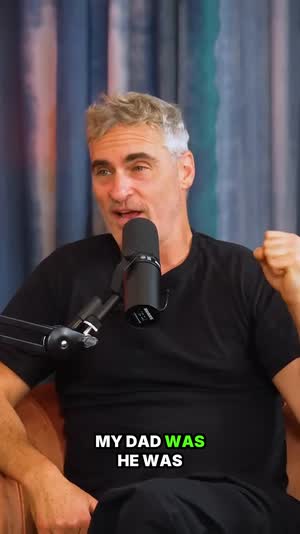
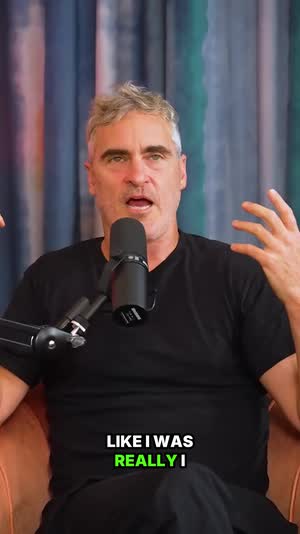
Comedy is the one format where automatic clipping usually gets the shape wrong. Everywhere else the trick is to cut straight to the good bit; in stand-up the good bit collapses without the thirty seconds of setup underneath it, and the clip has to close on the laugh rather than fade out halfway through it. Paste a set, a podcast episode or a stream and you get vertical clips cut at the end of the thought, captioned word by word so the tag is never printed on screen before you say it, and ranked 0-100.
🎬 Enter any URL under 2 hours
⏱ That video is longer than we can process
Cuts land at the end of the thought
Captions reveal one word at a time
Keeps the setup attached to the tag
Clips a comedy stream live
Sets up to 2 hours per upload
One long video in, a week of posts out
Paste a link. Get the best moments.
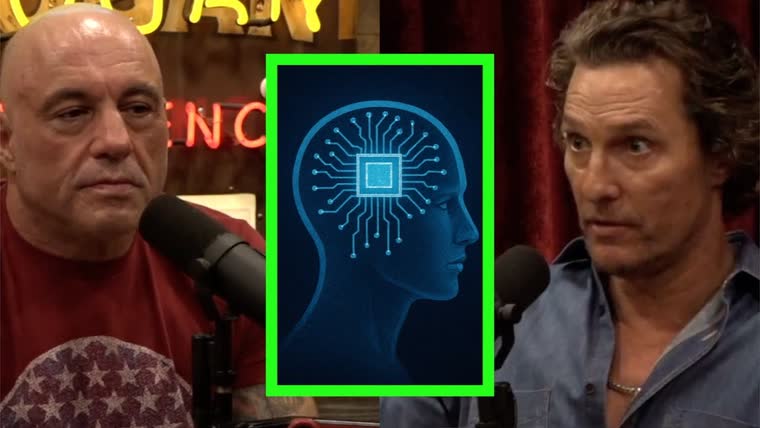
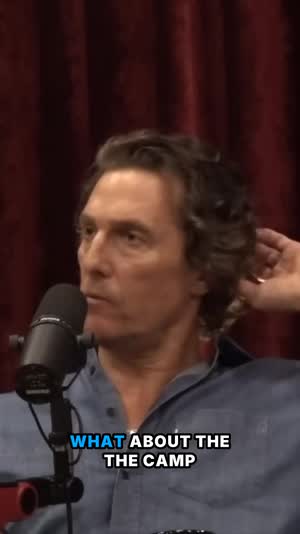
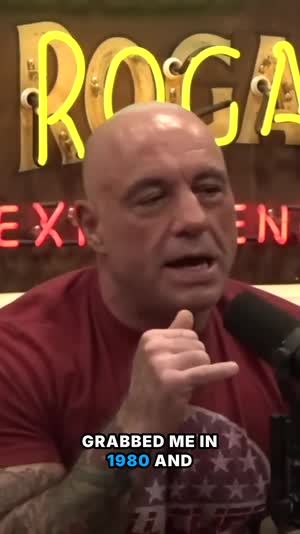
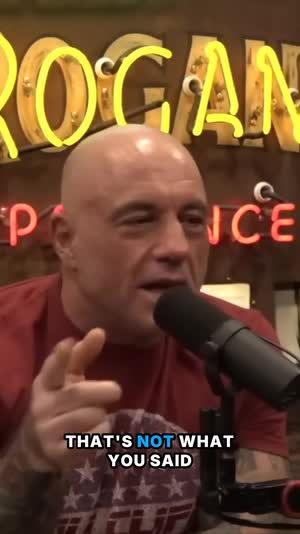
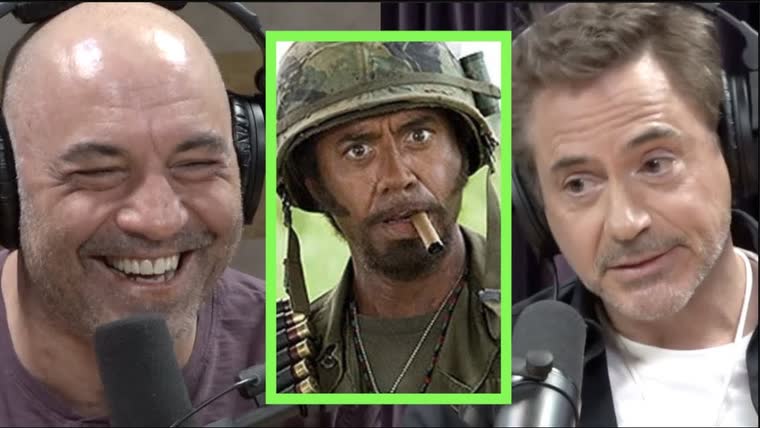
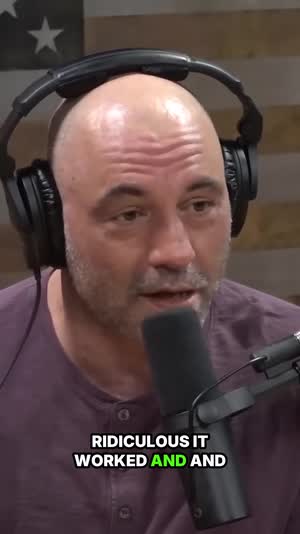
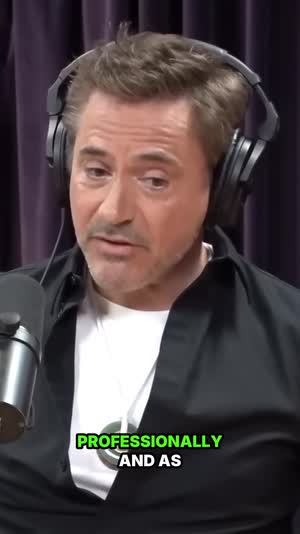
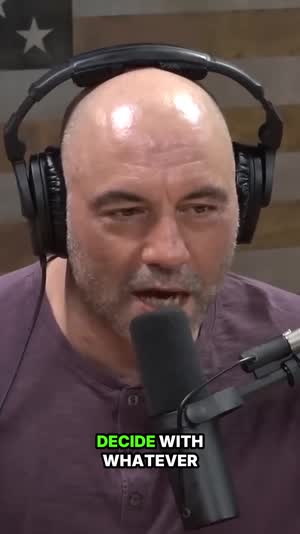
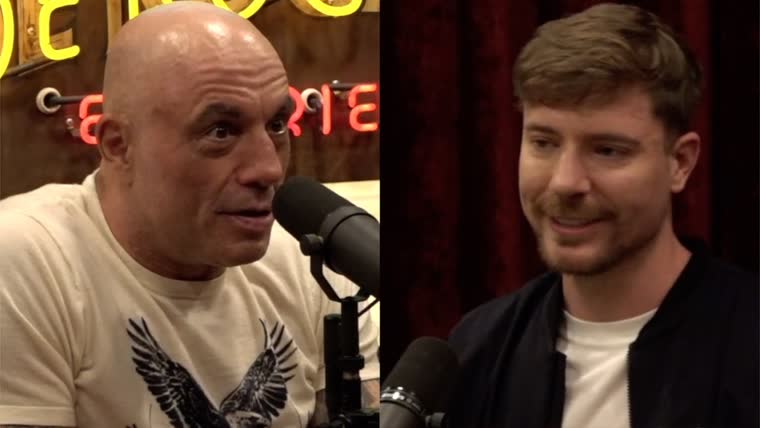
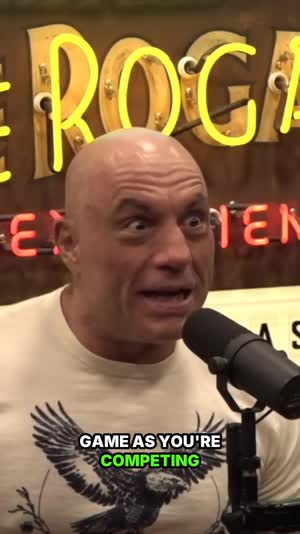
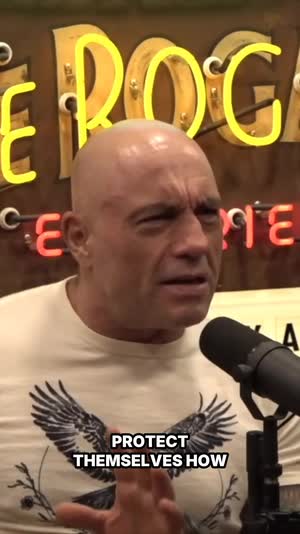
Real ClipSpeedAI output — every clip below was scored, cut, reframed to 9:16 and captioned automatically from the video above it.
Built for a comic who films every spot and watches back roughly none of them.
1
Upload the set, or paste the link
A phone on a tripod at the back of the room is enough to start with. Upload the file, or if the set is already on a channel, hand over the URL and nothing has to come down to your machine first. An upload takes up to 120 minutes on the one-dollar trial and on every paid plan alike, so a full hour plus a support act fits in one go, and a club spot is exactly the right size to judge it on.
2
It finds the bits that survive on their own
The audio is transcribed and the transcript is read for structure. What the model is hunting for is a premise, the run underneath it and the line that resolves it — a unit that makes sense to somebody who did not hear the previous twenty minutes. Boundaries land where sentences do, which is why a clip opens on a fresh premise instead of on the back half of an act-out.
3
Watch the endings, then send them out
Clips come back vertical, captioned and graded. The one thing worth checking on every single clip is the last two seconds: a laugh needs somewhere to go, and a cut that arrives on the peak of it feels amputated. Drag the out-point later where it needs it, re-render, and queue the set across the fortnight rather than posting six things on a Tuesday night.
What is different about clipping comedy
Every claim below exists because of a specific way comedy clips fail. None of it is generic short-form advice with the word "funny" pasted on.
🎯
Boundaries at the end of the thought, not the end of a timer
The single most common failure in an auto-cut comedy clip is a hard stop somewhere inside the laugh. It reads as a mistake and it takes the joke down with it. Cuts here are placed where sentences finish, so the clip closes after the line has resolved rather than at whatever second an arbitrary length rule ran out.
🧩
The setup stays attached to the tag
A punchline lifted out on its own is not a short clip, it is a non sequitur. Because the model is reasoning over a transcript rather than looking for loud moments, it can see that the resolution depends on a premise laid out forty seconds earlier and take the whole unit. This is the part naive highlight detection gets wrong every time — it finds the noise and cuts around the noise.
🔤
Word-by-word captions do not print the joke early
This matters far more in comedy than anywhere else. A caption that drops a whole sentence on screen at once shows the reader the punchline a beat before it is spoken, and the laugh is gone. Words appear in time with the delivery, one at a time, burned into the frame in eleven styles — the timing of the reveal is preserved, which is the entire mechanism of a joke.
🎤
Tracking for a comic who works the room
Stand-up is rarely delivered from a mark. People cross the stage, crouch, turn to talk to a table on the left. A locked centre crop turns that into somebody wandering out of shot and back. Face tracking follows the performer, which is what keeps a vertical clip from a wide club camera watchable.
📊
A grade, because comics misjudge their own bits
Ask any comic which of their bits travels online and they will name the one they are proudest of, which is frequently not the one that works muted on a phone. Each clip carries a 0-100 score for how it opens, how it paces and where its peak sits. Use it as a second opinion for ordering the week, not as a verdict on the material.
✂️
Filler cut, with a warning attached
Ums, restarts and dead air come out automatically, which tightens a rambling premise nicely. The honest caveat: in comedy a pause is sometimes the joke. The trimming is conservative and it is not infallible, so if a bit depends on a long silence, check that clip specifically and put the beat back by adjusting the boundary. More detail on the filler word remover.
👥
Two-up, three-up and four-up for panel formats
A comedy podcast lives or dies on reactions, and a single crop of whoever is loudest throws away the person losing it in the corner. Split and grid layouts keep everyone on screen. The podcast clip generator covers multi-mic setups in more depth.
🔴
A comedy stream gets clipped mid-stream
Connect a Twitch, Kick or YouTube channel and clips are produced while the broadcast is running rather than after the VOD lands. For anyone doing improvised or reactive comedy live, that turns a moment into a post while the chat is still quoting it back at you. See the Twitch clip generator for how the connection works.
🏷
Titles that do not spoil the bit
The title above a comedy clip has one job: make someone stop without telling them the ending. Titles are drafted per clip and are fully editable, so you can pull back anything that gives too much away. There is a whole page on that at the clip title generator.
📅
Queue the set across a fortnight
Connect TikTok, Reels and Shorts and space one recording out over two weeks. Comedy accounts grow on frequency more than on any individual clip, and a steady drip also means a bit that unexpectedly connects is not buried under five other posts from the same evening.
Who this is written for
🎙 Working stand-ups
You already film every spot. The gap is that nobody sits through a phone recording of a Tuesday new-material night, so most of what you shot has never been watched back even once.
🎧 Comedy podcasts
Two or three people riffing for ninety minutes is the highest-yield input there is. Reactions are the content, which is why the layout choice matters more here than the cut does.
🎭 Sketch and character channels
A long-form sketch usually contains one exchange that works alone. Pulling it out as a vertical teaser feeds the channel between full uploads without filming anything new.
🎲 Improv and panel shows
Nobody can predict where an improvised set goes, which makes reviewing footage genuinely necessary and genuinely tedious. Ranked candidates make it an afternoon rather than a week.
🕹 Comedy streamers
Live reaction and bits with chat clip well, and live mode means the clip exists before the stream ends. The reaction clip generator covers reaction formats specifically.
🎟 Clubs, promoters and festivals
A night of eight acts is eight sets of footage nobody has time to cut. Clips are also the only marketing asset that sells tickets for the act rather than just for the venue.
The punchline has to be the last thing anyone hears
Short-form video advice almost universally tells you to front-load: hook in the first second, payoff early, no preamble. That advice is correct for most genres and it is poison for stand-up. A joke is a timed structure. Move the resolution to the front and there is nothing left to resolve; a viewer who already knows the destination has no reason to stay for the route.
So a comedy clip inverts the usual shape. The hook has to come from the premise itself — a strange claim, a specific detail, an opening line that promises something is about to go wrong — and the payoff sits at the very end. Which means the boundary at the end of the clip is the boundary that decides whether it works. Two seconds too early and you have cut the laugh in half. Ten seconds too late and the clip dribbles out into the next bit.
Cutting at sentence boundaries handles most of this automatically, because in stand-up the end of a sentence and the end of a joke are usually the same place. What it cannot do is judge how much of the room reaction to keep. That is a two-second decision you make on playback, and it is the single highest-value edit available to a comic using any tool of this kind. Make it a habit before you post.
The mistakes that flatten a funny clip
Cutting into the middle of a bit is the first one. It happens when whoever is clipping — human or otherwise — searches for the biggest laugh and then takes thirty seconds around it. The result opens on a callback to a premise the viewer never heard, and the comments fill with people asking what the context is. Because the selection here works from the transcript, the unit it takes is a premise plus its resolution, not a window centred on a spike in the waveform.
The second is stripping the timing. Automatic filler removal is genuinely useful on a rambling anecdote and genuinely dangerous on a bit that is built out of pauses. If your material leans on silence, watch those clips specifically. You can move the in and out points and re-render as many times as you like, so a beat that got shortened is a two-minute fix rather than a lost clip.
The third is captions that outrun the delivery. A block caption printing the whole line at once is the on-screen equivalent of somebody in the audience saying the punchline before you do. Word-by-word timing exists precisely to stop that, and it is the reason we do not offer a full-sentence caption block for this kind of material.
And the last one is volume without variation. Nine clips from the same set, posted the same week, all filmed on the same camera in the same room, all opening with the same wide shot, teaches an audience to scroll past you. Mix in crowd work, mix in podcast clips, mix in something filmed anywhere other than a brick wall.
A workflow for a comic with one recorded set a week
The realistic version looks like this. Film every spot on a phone, because you already do. Once a week, put the best-sounding recording through and let it come back with candidates. Watch the top six at normal speed, which takes about eight minutes. Fix the endings on the three you like. Schedule those three across the next seven days and delete the rest.
That is roughly a twenty-minute weekly commitment and it produces a hundred and fifty clips a year, which is more short-form output than most touring comics manage in three. The reason it works is not that the software is clever. It is that the version of this job you were previously avoiding involved sitting through an hour of your own set with a scrub bar, and nobody keeps doing that.
One refinement worth adopting: keep a note of which clips actually performed and check them against the scores. Within a couple of months you will know whether the grading tracks your particular audience or whether it consistently under-rates a kind of bit you do. That calibration is worth more than the number itself, and it is the sort of thing only you can build.
A separate note on material you are protecting. If you are assembling an hour for a special, posting the strongest four minutes of it is a real trade — a bit an audience has already watched on their phones lands differently in a room, and some producers count online exposure against a debut. Clip freely from crowd work, riffs and podcast tangents, which are unrepeatable anyway, and be deliberate about the written material you are saving.
Why crowd work clips better than written material
Crowd work has quietly become the dominant format in comedy short-form, and the reason is structural rather than fashionable. An interaction with an audience member comes with its own setup built in: the question, the answer, the reaction. It needs no context from earlier in the set, it cannot be spoiled by watching it, and it is unrepeatable, so posting it costs you nothing from the hour you are building.
It is also the material this tool handles most cleanly, because the exchange is a self-contained conversational unit and that is exactly the shape the selection logic looks for. If you are starting from a cold account, crowd work is where to start.
The one technical warning: the audience member is almost never on a microphone. Their line is the setup, and to the transcription engine it may be a distant mumble under room noise, which means the captions can be wrong or missing on the most important sentence in the clip. Check those captions every time. Comics who post crowd work regularly solve this properly by putting a room mic into the recording, or by getting into the habit of repeating the answer back before responding to it, which is good stagecraft anyway.
Troubleshooting: the four things that go wrong on comedy footage
Symptom: a full hour goes in and two thin clips come back. Check the audio before you question the picks. A phone on a tripod at the back of a room hears the room more than it hears you, and everything downstream reads the transcript, so a set recorded from forty feet away and a set that did not land are close to indistinguishable from the inside. Play a minute of it on headphones. If you are straining to make out your own words, so was the transcription, and the answer is a lavalier or a line off the desk rather than anything in the interface.
Symptom: the captions are wrong on precisely the word that carries the joke. Names, places, product names and anything said over the top of a laugh are the usual casualties, and a mangled proper noun in a tag is worse than having no text on screen at all. Read the caption track on any clip whose punchline turns on one specific word, correct it, render again. It is a two-minute job and it is the one that gets skipped.
Symptom: a clip opens on a callback and lands on nobody. Selection works from language, so when the setup for a line was physical — a face, a walk across the stage, a prop picked up ninety seconds earlier — the transcript shows a resolution with no premise attached and the window can start too late. Drag the in-point back to where the bit visibly begins. If the premise was never spoken aloud at all, that is a clip to cut yourself.
Symptom: the upload is refused before anything runs. Every rejection here is about length. Files under two minutes are turned away because there is nothing to choose between, and the ceiling is 120 minutes on every plan including the trial, so an hour plus a support act fits in one pass and a whole gala night does not. Split the recording, or connect the channel and have a live broadcast clipped while it is happening.
When a clip generator is not the right answer for a comic
Purely physical material is the obvious one. A mime, a prop routine or a character piece that lands on a look rather than a line gives a language-driven selector nothing to grip, and it will hand back the two minutes where somebody happened to speak. Cut that yourself. You know which angle sold the move and no transcript contains that information.
Then there is the set you already know cold. Say you did a tight five you have performed two hundred times, on a bill that mattered, and you can name the three moments before the file finishes uploading. Searching is the expensive step being removed here, so when the search is already done in your head a timeline beats a queue every time. The same goes for a five-minute recording, which is short enough to simply watch.
Improvised long-form is a third bad fit, and for a subtler reason. Walk through a two-hander that builds for forty minutes: the funniest beat in the closing scene is funny because of a detail planted in the opening one, and a self-contained unit is precisely what does not exist in that recording. This is built to find passages that survive without context, so a form whose entire value is context is arguing with the premise rather than hitting a limitation of the software.
And a commercial case that is not a technical one at all: material you intend to record as a special. The trade is set out in the workflow above and the short version is that it belongs to you and whoever is commissioning the hour, not to whatever is convenient to post this week.
Alternatives, and the case for doing it by hand instead
The realistic options are narrower than they look. Cut it yourself, pay a clipper by the clip, lean on whoever runs the venue social account, or hope somebody in the audience filmed it and tagged you. Audience phone footage is the underrated one and its trade is visible immediately: already vertical, shot from inside the laugh, and recorded through a coat pocket, which is fatal for captions and perfectly fine for a bit whose joke is visual.
The manual-against-automatic argument is usually framed as speed, and speed is the least interesting part of it. What a person in the room sees that a transcript does not is everything that is not a word — the pause before the tag, the glance at the front row, the half-second where the audience works out where this is going. Word timings can locate where a thought resolves; they cannot show you deciding not to say something. That gap is real, and it is why the last edit on any clip is yours rather than the engine's.
What automation is genuinely better at is volume and indifference. It reads all 120 minutes at one level of attention, including the twenty you would have skipped because you remember them going badly, and misremembered material is where the surprises live. Imagine eight Tuesday new-material spots nobody has watched back: a person triaging that pile starts sharp and is skimming by the fourth recording, and the fourth recording is as likely to hold the clip as any of the others.
Export settings that matter for comedy, and the ones that do not
Start with the frame. Vertical 9:16 is the default because that is where comedy gets discovered, but it is also the shape that throws away the most picture when the source is a wide camera at the back of a club. Square 1:1 keeps more of the stage and still reads in a feed. Landscape 16:9 is worth rendering once for a booker or a channel, where a promoter genuinely wants to see the room rather than a tight crop of your head. Nothing forces you to pick one — the same moment can go out in two shapes for two audiences.
Then the caption look. There are eleven presets and all of them are word-timed, so for comedy the only property that really decides between them is whether the text holds up against a dark backdrop. Club footage is usually a person lit against black brick, and a thin or low-contrast style vanishes into it on a phone held at arm's length. Choose a heavy one, confirm it on the first clip, and then leave it alone; being recognisable in a feed is worth more than variety, and the caption generator page goes through the styles one by one.
A mark of your own comes from the Brand Kit, and it is worth knowing exactly what that holds: a logo image, two colours and a caption-style preset. There is no text field anywhere in it. The logo uploads as a PNG or a JPEG — SVG is refused outright — and gets placed in one of four corners at one of three sizes, with adjustable opacity. So anything that needs to be legible on screen, a handle very much included, has to be baked into the artwork before it goes up. Favour a top corner: the bottom of a vertical frame is where TikTok and Instagram stack their own captions and buttons over your video.
And then the settings that are not settings. Re-rendering costs nothing, so treat the first export as a draft rather than a result. Move the out-point if the laugh got clipped, pull the in-point back if the premise starts a beat late, correct a caption that mangled a name or a place. Nothing of ours is rendered onto the frame on the trial or on a paid plan, which means the file anyone actually judges you on is the one you send after two or three corrections, not the one that arrived first.
What we have learned cutting comedy specifically
Observations from operating the pipeline in production — not general advice.
The transcript has no word for a laugh
Boundaries are computed from word timings, and a laugh is not a word. The cutter can see precisely where your last sentence ended and it cannot see anything at all about the four seconds of noise that follow, because nothing in the transcript represents them. That is the mechanical reason a comedy clip so often stops a fraction too early: the engine did exactly what it was asked and closed on the end of the thought, which in stand-up is the start of the reaction rather than the end of the moment. It is also why the advice on this page is to check the last two seconds of every clip by hand. That specific edit is not something the boundary logic is positioned to make for you.
An off-mic answer is missing from the selection, not just the captions
Crowd work exposes something about the pipeline that no other format does. Selection reasons over the word-timed transcript rather than the waveform, so a line that does not transcribe does not exist as far as choosing the clip is concerned. When the audience member is off mic their answer is usually the setup, and it is absent from both the burned-in captions and the reasoning that picked the moment, which is why an exchange can come back rated on your half of it alone. Putting a room mic into the recording therefore changes which clips you are offered, not only how they sound — it puts the missing sentence back into the input the model reads.
A story longer than the clip cap has no sentence left to land on
Cutting at sentence boundaries needs a sentence boundary to exist inside the window. A long unbroken narrative bit — five minutes of story told without a clean stop — can hit the maximum clip length before the thought resolves, and at that point there is no legal place for the cut to land. The engine will not invent one mid-word, so it falls back, and the ending you get on that clip is not the considered one you get everywhere else. In practice this shows up on narrative hours rather than on club spots built from short bits, and the fix is manual: move the out-point to the nearest place the story genuinely pauses and render it again.
Compared with how comics do this now
vs. clipping your own set at two in the morning
The tape is right there and the tools are free, so on paper there is no reason not to. In practice you got home at one, you have a day job, and the recording joins the other forty on the camera roll. The bottleneck was never the editing skill. It is that reviewing your own set is unpleasant enough that it loses to sleep every single time.
vs. paying somebody to cut your clips
Plenty of comics use a clipper and it works, particularly once there is a reliable posting schedule to protect. It costs per clip, it adds a turnaround, and the person doing it usually has to guess at which parts are the bits. Handing them ranked candidates instead of a raw hour is a cheaper arrangement for both of you.
vs. whatever the club filmed for you
House footage tends to be a fixed wide shot with the sound taken off the desk, delivered as one long file with no timestamps. It is usable and it is not a clip. Everything still has to be found, cropped, captioned and cut — which is precisely the work being handed off here, not the filming.
vs. general-purpose AI clippers
Most of them were tuned on business podcasts, where the goal is to isolate a quotable insight and stop. Applied to stand-up that habit chops the laugh and orphans the setup. What is unusual here is real-time clipping during a live comedy stream and access from Claude or from your own code. Put a set through it and look specifically at where the clips end.
Frequently asked questions
How do I get short clips out of a recorded stand-up set?
Upload the recording or paste its link. The audio is transcribed, the model marks the units that hold together without the rest of the set, and each comes back as a vertical clip with captions burned in and a 0-100 grade. Your only real job afterwards is checking that each one ends in the right place.
Does it actually know where the punchline is?
It works out where a thought resolves, which in stand-up is usually the same place. The transcript tells it that a premise was laid down and then paid off, and cuts are placed at sentence boundaries so the clip closes after the resolution rather than during it. It is not reading a joke-structure textbook, but the practical result is a clip that finishes on the line instead of through it.
Will a clip ever start in the middle of a bit and ruin the setup?
That is the failure this is built to avoid, and it is why selection runs on the transcript rather than on audio spikes. A system that hunts for the loudest laugh will centre a window on it and orphan the premise. Nothing is perfect, so if a clip does open too late, drag the in-point back to the top of the bit and render it again.
Does it detect audience laughter?
There is no dedicated laugh detector and we are not going to pretend otherwise. The model weighs the audio alongside the transcript, and part of the 0-100 grade reflects where a clip peaks, which in a full room is audible. What it is really doing is finding well-formed comic units, not counting decibels.
Will automatic filler removal wreck my timing?
It can if your material is pause-heavy, so treat it as something to check rather than something to fear. The trimming is conservative and it targets ums, restarts and genuine dead air. If a bit depends on holding a silence, watch that clip and widen the boundary yourself. It takes about a minute and the re-render is free.
Can it clip crowd work when the audience member is off mic?
It will find the exchange, because your side of it is on the recording and that is enough to see the structure. The problem is captions. An off-mic answer often transcribes badly or not at all, and that answer is frequently the setup. Read the captions on every crowd-work clip, and consider adding a room mic or repeating the punter back before you reply.
Do the captions show the punchline before I say it?
No, and this is one of the reasons word-by-word captioning matters more in comedy than in any other genre. Words appear in time with the delivery rather than as a full sentence dropped on screen, so a reader gets the line at the same moment a listener does and the reveal keeps its timing.
What about a bit that is entirely physical with no talking?
That is the weak case. The selection engine reasons about language, so an act-out with no dialogue gives it very little to grip. Physical material is worth cutting by hand, and honestly you will do it better than any model would because you know which angle sold the move.
Can it handle a callback to something from earlier in the set?
Not well, and no automated tool will. A callback is funny because of information delivered twenty minutes previously, and a standalone clip cannot carry that. If a strong clip turns out to be a callback, either skip it or record a short spoken intro before posting so the reference has somewhere to stand.
How many clips should I expect from an hour set?
Commonly somewhere between six and fifteen usable candidates, depending on how your hour is built. A set made of many short self-contained bits produces more; a long narrative hour that builds to one conclusion produces fewer, and those few are often better. We would rather hand back eight real ones than pad the list.
Does it work for a comedy podcast with three or four people?
Yes, and it is arguably the best input of all. Multi-person layouts keep everyone visible, which is essential when the funniest thing in the clip is somebody else's face while the story is being told. Three-up and four-up grids exist for exactly this shape of recording.
Can it clip my comedy stream while I am live?
Yes. Connect a Twitch, Kick or YouTube channel and clips are cut during the broadcast instead of after the archive appears. Reactive comedy has a short shelf life, so being able to post something within minutes rather than the following afternoon is a real advantage.
How does the score relate to how hard a bit hit in the room?
Loosely, and you should expect disagreements. The grade measures clip qualities — opening, pacing, where the peak lands — not how the room felt. Sometimes a bit that destroyed live scores mid because it needed context, and something you forgot about scores high because it plays perfectly muted. Both of those are useful information.
Will it keep me in frame if I pace the stage?
Yes. Tracking follows the performer rather than pinning a fixed crop to the centre of the room, so crossing the stage or crouching to talk to a front table does not drop you out of the picture. In a vertical frame this is not a nicety, because the frame is narrow enough that a couple of steps would otherwise lose you.
What if the club footage is one static camera in bad light?
It will still work and the ceiling is the footage. Cropping a wide room shot to vertical means the usable image is built from a small part of the frame, and a dark club gives that small part very little to work with. The output will be watchable rather than beautiful. Moving the camera closer helps more than any setting here.
Can I test it on a set without committing to a month?
Yes. The way in is a three-day trial for one dollar, which takes a card up front and then runs a club spot or a full hour at the same 120-minute ceiling as any paid plan. After that it is thirty-nine dollars a month, cancellable in one click, with an email before the trial converts.
Is there a watermark on the clips?
No. Trial exports and paid exports alike come out clean, with nothing of ours on the frame. If you would rather have a mark of your own on every clip, upload a logo to the Brand Kit and it is placed automatically on everything you render. It takes an image, not text, so put your handle into the logo artwork itself before you upload it.
How long a recording can I upload at once?
Up to 120 minutes, which covers an hour set with a support act and an interval, or a long podcast episode, and that ceiling is the same on the one-dollar trial as on any paid plan. Anything longer should be split, or connected as a live channel and clipped as it broadcasts.
How does it handle swearing in the captions?
It transcribes what was said, uncensored, because a bowdlerised caption under an uncensored soundtrack looks ridiculous. There is no automatic bleeping and no profanity filter. Some platforms are known to be less generous with heavily explicit posts, so that is a judgement call to make per clip rather than something we make for you.
Can I move the ending so the laugh has room to breathe?
Yes, and you should. Adjust the out-point, re-render, done. Of every edit available in the interface this is the one that improves comedy clips most reliably, which is why the workflow above recommends checking the last two seconds of every clip before it goes out.
Which formats and aspect ratios come out?
Vertical 9:16 for TikTok, Reels and Shorts, square 1:1 for feed posts, and 16:9 if you want a landscape version for a channel or a booker. Vertical is the default because that is where comedy discovery happens now.
Can I put my handle and tour dates on every clip?
Your handle yes, with one wrinkle worth knowing before you try it. The Brand Kit holds a logo image, two colours and a caption-style preset — there is no box to type a handle into — so the handle has to be drawn into the logo file you upload, after which it is stamped in the corner you pick on everything you render. Tour dates are a different matter, since they change faster than you would want to keep re-uploading artwork, and most comics keep those in the caption and the pinned comment.
Should I post material I am saving for a special?
That is your call and it is a genuine trade-off, not a technicality. Heavily viewed material lands differently in a room, and some producers weigh online exposure when commissioning a debut hour. The usual approach is to post crowd work and riffs freely, since they are unrepeatable, and to be selective about written bits from the hour you are building.
Does it write jokes or generate any material?
No. Nothing is written, invented, synthesised or performed by us. It selects from what you recorded and puts a title and captions on it, and the titles are editable. Every frame and every word in a finished clip came from your set.
Does it work for comedy performed in another language?
The major languages are covered for both transcription and captioning, though English remains the most dependable. Comedy is a harder transcription problem than most content because of speed, accent and overlapping laughter, so run one set through the one-dollar trial in your language and read the captions rather than trusting a claim on a page.
Is there an API or a way to run it from Claude?
Both exist. An MCP connector lets you ask Claude to clip a recording conversationally and hand back finished files, and there is an HTTP API behind the same engine for anyone automating a club or festival archive. The developer documentation has the endpoints.
What happens to my set recording after processing?
The file is used to cut your clips and nothing from it is published anywhere by us. The recording and the clips both stay yours, and unreleased material stays unreleased. The privacy policy sets out the retention details.
How long does it take to get clips back?
A few minutes for a club spot, longer for a full hour and longer again when the queue is busy. There is no need to sit and watch it work — start the job before you leave the venue and the clips will be there when you get home.
Can I cancel the one dollar trial?
Yes, in one click from your account, and we send an email before it converts so nothing is charged silently. Access runs to the end of the period you have already paid for, and every clip you exported stays yours afterwards.
What if the clips it picks are not the funny ones?
Then you have found that out for a dollar, which is the entire purpose of the trial. Run it on a set you remember properly and compare its choices against your own memory of which bits worked. If the overlap is poor on your material, no feature list is going to fix that and you should not pay for it.
Put last night's set through it
Use a spot you remember clearly. Watch where the clips end — that one detail will tell you more than any demo reel could.