HomeAI Video ToolsYouTube to TikTok
YouTube → TikTok

Put your YouTube library on TikTok

TikTok will not reshape a 16:9 video for you, and a straight resize with black bars announces itself as a repost. Paste a YouTube link here instead: the AI reads the runtime, keeps the segments that stand on their own, recomposes each to true vertical around whoever is talking, burns in captions, and grades every cut 0-100 before you decide what to post.

🎬 Free demo: use a video under 30 minutes · paid plans up to 2 hours
  • Works from a plain YouTube URL
  • True 9:16 — no black bars
  • Captions burned in, word by word
  • Every cut graded 0-100
  • Schedules straight into TikTok
One long video in, a week of posts out

Paste a link. Get the best moments.

Real ClipSpeedAI output — every clip below was scored, cut, reframed to 9:16 and captioned automatically from the video above it.

https://youtu.be/z_bX3runikk
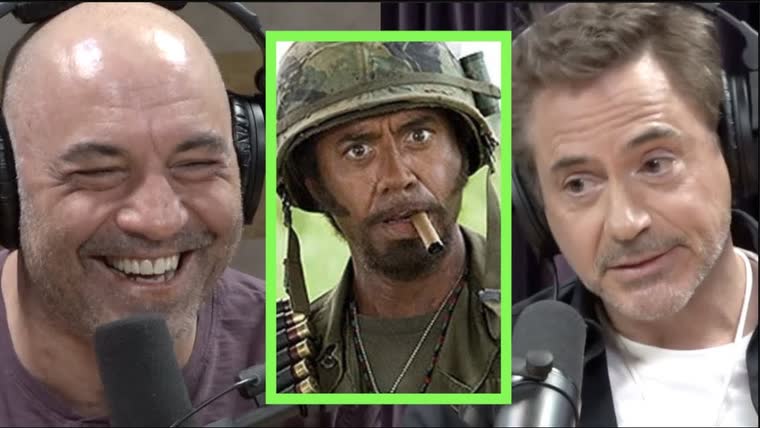
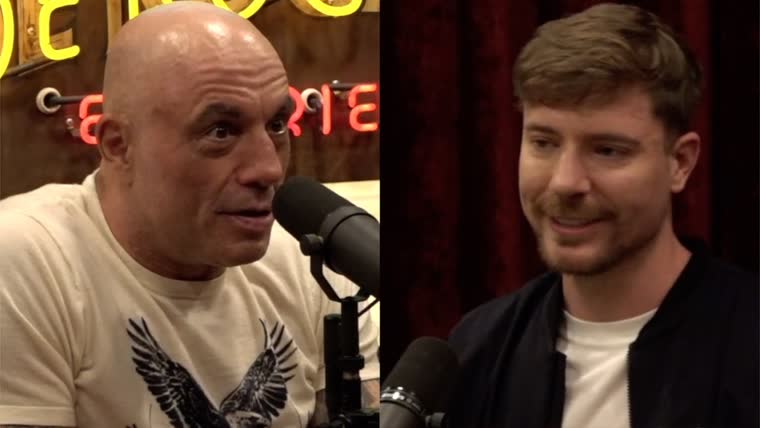
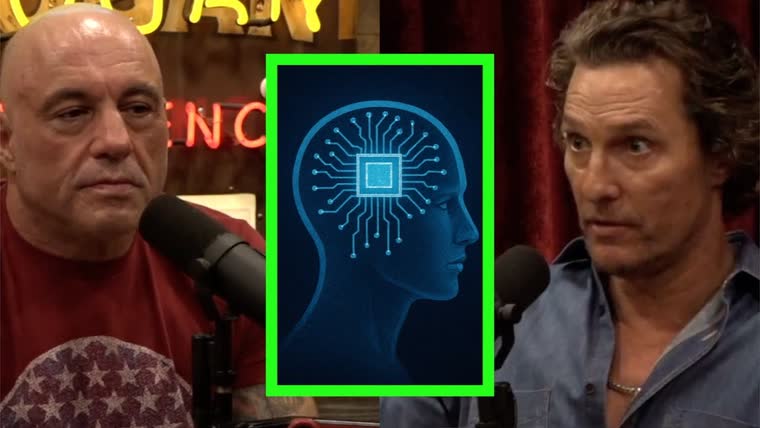
Source video: Matthew McConaughey's Concerns Over AI Source video 15:27
Matthew McConaughey's Concerns Over AI
9 clips found  ↓  top 5
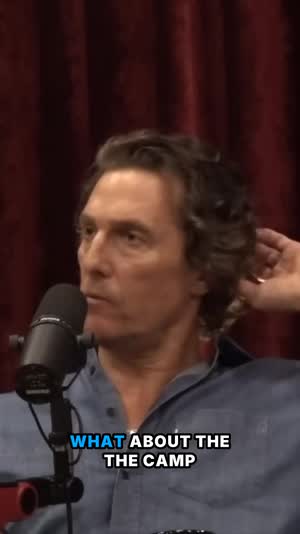
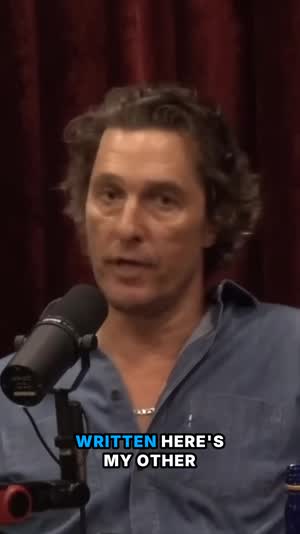
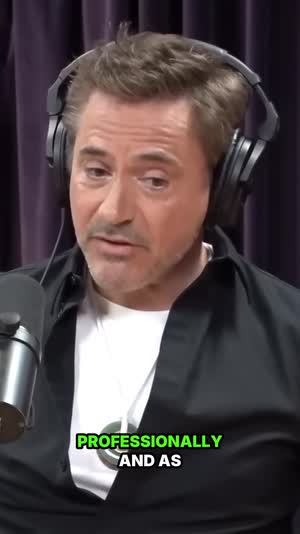
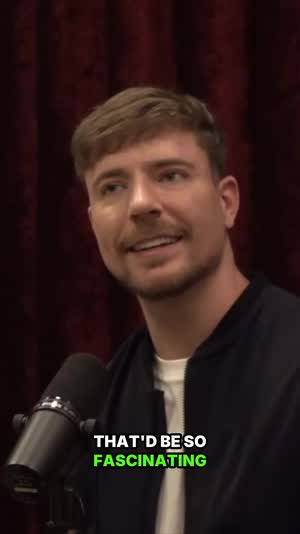
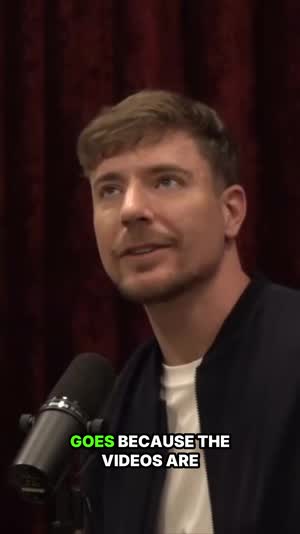
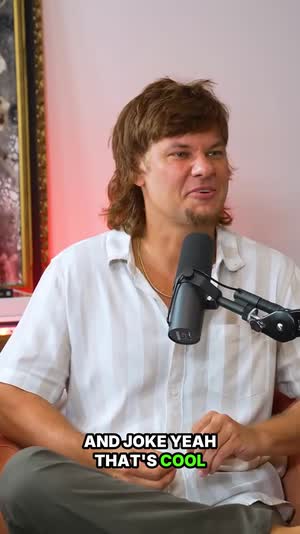
Matthew McConaughey speaking, captioned vertical clip
Score 92
9:16
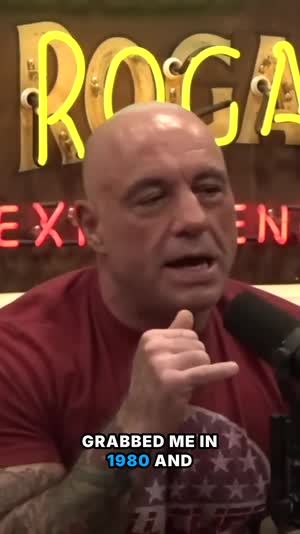
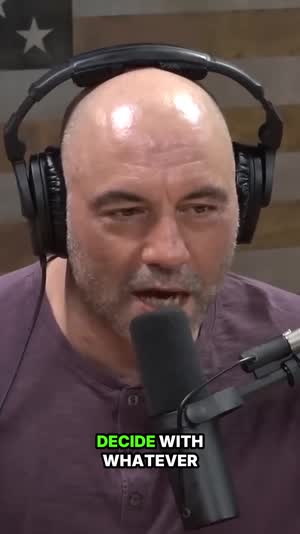
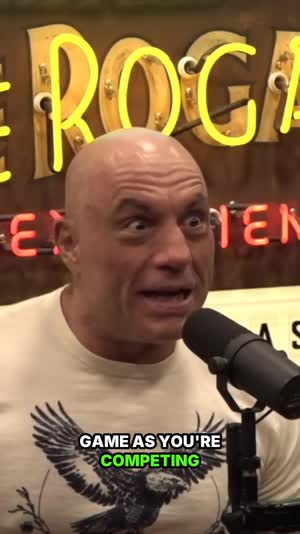
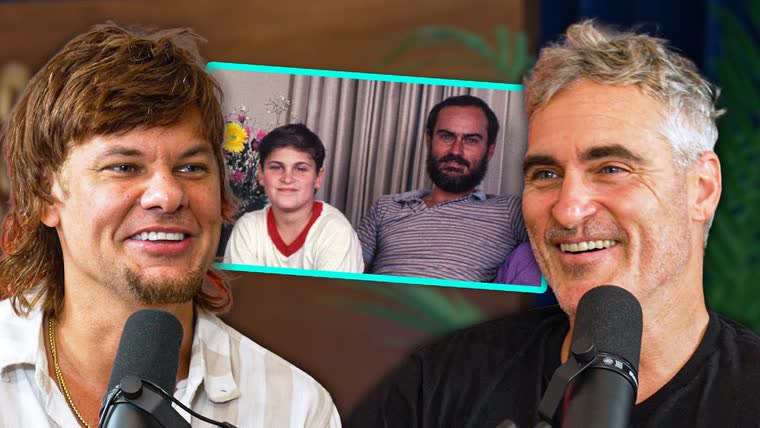
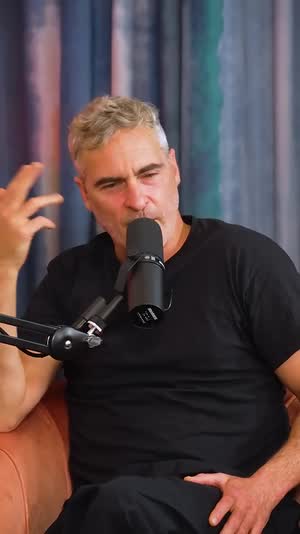
Joe Rogan gesturing, captioned vertical clip
Score 90
9:16
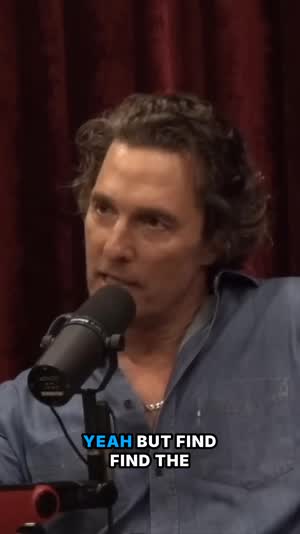
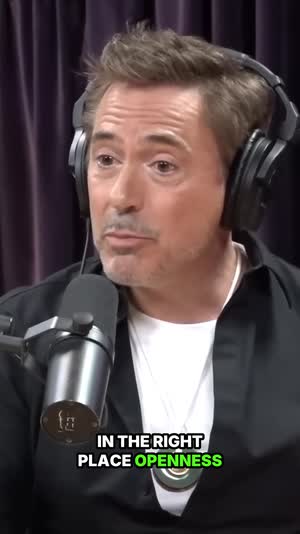
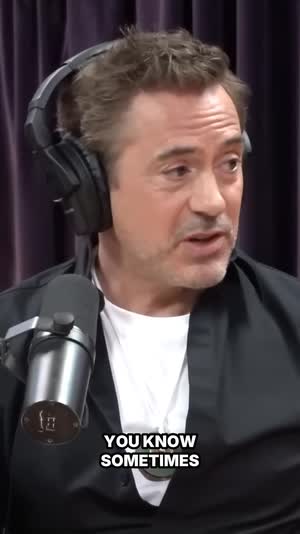
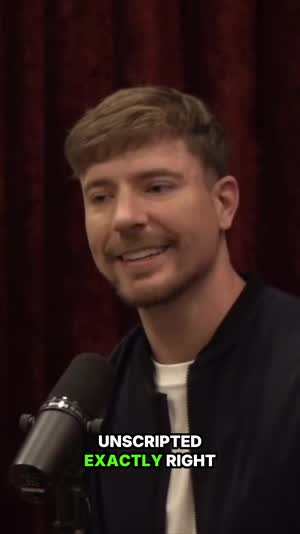
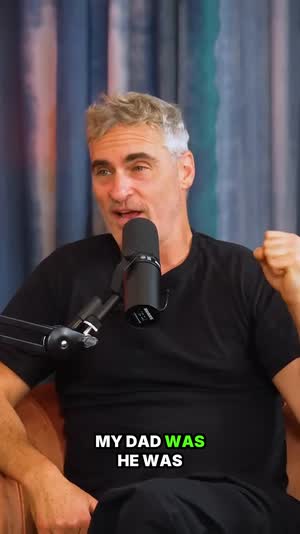
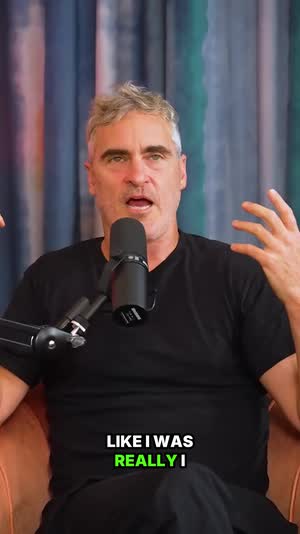
Matthew McConaughey listening, captioned vertical clip
Score 89
9:16
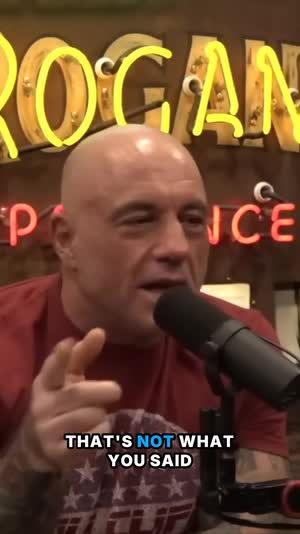
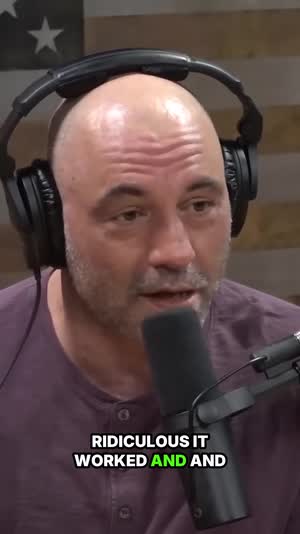
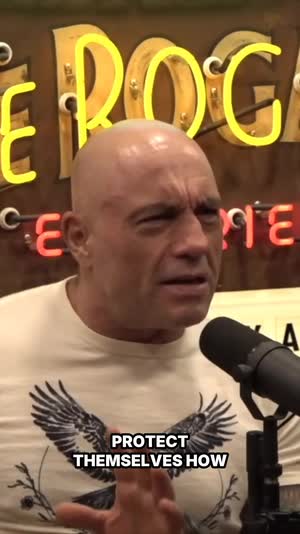
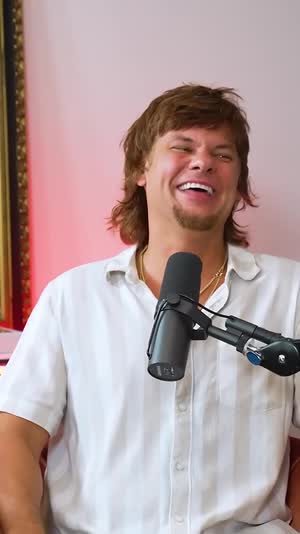
Joe Rogan mid-sentence, captioned vertical clip
Score 89
9:16
Matthew McConaughey talking to camera, captioned vertical clip
Score 88
9:16

Converting a YouTube video into TikToks

You paste a link. Everything downstream of that is automatic.

  1. 1

    Paste the YouTube URL

    Any public YouTube link is enough — one of your own uploads, an interview you appeared on, a webinar recording, a stream replay. Nothing lands on your hard drive, and there is no third-party downloader in the middle of the chain. If the footage never went to YouTube at all, upload the file instead. Paid accounts take source video up to two hours long; the free demo handles anything under thirty minutes.

  2. 2

    The AI decides what deserves a TikTok

    This is the step people skip when they cross-post manually, which is why manual cross-posting mostly produces the first forty seconds of the video. The model works through the full transcript looking for passages that make sense to somebody who has no idea what came before: a complete answer, a story that reaches its punchline, a claim sharp enough to start an argument underneath it. Each selection is cut at sentence boundaries so the clip begins on a whole thought rather than halfway through a word.

  3. 3

    Download clean, or queue it to TikTok

    What comes back is vertical, captioned, and carrying a 0-100 grade. Rank by the grade, throw out anything you would not defend in your own feed, then export or drop the keepers into the scheduler, which publishes to TikTok, Reels and Shorts out of one queue. Paid exports carry no ClipSpeedAI badge.

What the converter does that a resizer does not

Changing the aspect ratio is the easy quarter of this job. These are the other three quarters.

True vertical, not a padded 16:9

The cheap conversion pads the landscape frame with black bars or a blurred duplicate of itself. Anyone scrolling recognises that instantly as content lifted from somewhere else. The frame here is genuinely recomposed for 9:16, so the subject fills the screen the way footage shot for the platform does.

The crop follows whoever is speaking

Point a fixed centre crop at a two-chair interview and you get a beautiful shot of the table between the guests. Face tracking picks out the person actually talking and holds them in frame; when two people are trading lines fast, the split-screen layout keeps both. More on the mechanics in the face tracking video crop page.

Retimed for a feed, not for a subscription

A YouTube viewer chose your video and will forgive thirty seconds of warm-up. A TikTok viewer chose nothing and is one thumb-flick from leaving. Filler words, restarts and dead air are removed automatically, which normally tightens a forty-second cut by several seconds and pulls the payoff forward.

Captions written into the pixels

Words light up in time with the speech in eleven styles, rendered into the video file itself rather than attached as a sidecar. That matters on TikTok specifically: an uploaded caption track can be toggled off, and a large share of the audience is watching with the volume down in a place where sound is not an option.

A grade on every cut

Twelve clips out of one upload is twelve decisions you now have to make. Each clip is scored 0-100 on its opening, its rhythm and where its strongest beat sits, which turns the pile into a running order. The viral score checker explains how the number is built and where it should not be trusted.

Clean exports on paid plans

Nothing on a paid export identifies the tool that made it. Clips produced by the free demo carry a small watermark, which is the trade for trying it without paying. If you want your own mark on the video instead, the Brand Kit puts your logo, colours and fonts on every clip.

Posts to TikTok on a schedule

Connect the account once and a converting session becomes a filled calendar. Consistency is most of what separates a TikTok account that grows from one that posts three videos in a burst and then goes quiet for a fortnight.

Live streams clipped while they run

If you stream on YouTube as well as uploading, clips can be produced during the broadcast rather than after the VOD has processed. A moment reaches TikTok while people are still discussing it, which is the entire economics of stream clipping. Twitch and Kick channels connect the same way.

Layouts chosen from the footage

Seven layouts cover what actually appears in YouTube video: single-subject fill, fit, split-screen, three-up and four-up grids, screenshare, and gameplay with the webcam inset. A slide deck walkthrough and a four-person roundtable need opposite treatments, and forcing either into the other is how conversions end up unwatchable.

Who is moving YouTube video to TikTok

YouTubers going multi-platform

Your archive is already the content budget. A channel with sixty uploads is sitting on hundreds of TikToks that cost nothing further to shoot.

Podcast channels

Video podcasts publish to YouTube first and then stall, because a two-hour episode has no obvious door into a short-form feed. The podcast clip generator covers that workflow in detail.

Gaming and Let's Play channels

A twenty-minute upload contains maybe three moments worth a stranger stopping for. Picture-in-picture keeps your reaction over the play instead of choosing between them.

Course creators with a back catalogue

The self-contained ninety-second explanation buried inside a long lesson is the thing TikTok rewards. Pulling those out is how the free feed starts feeding the paid product.

Social teams and agencies

Clients hand over a folder of finished YouTube assets and expect a short-form calendar from it. This is that conversion, at the volume a retainer actually requires.

Product and brand channels

Demo videos, founder interviews and customer stories were made once for the website. Every one of them holds a TikTok that never got cut.

Why cross-posting by hand quietly dies after two weeks

The usual routine goes like this. Find a YouTube downloader that is not covered in malware. Wait for the file. Drag it into CapCut. Guess at a moment. Crop it, discover the guest is now half out of frame, nudge the crop. Auto-caption. Fix the four words the captioner heard wrong. Export. Airdrop it to your phone. Upload. That is somewhere between fifteen and thirty minutes for a single TikTok, and there is nothing in it that feels like making something.

Nobody abandons cross-posting because they stopped believing in it. They abandon it because the tenth clip costs exactly as much attention as the first, and the tenth clip is where the compounding would have started. Automation is worth having here not because a machine cuts better than you do, but because a machine will still be doing it in March.

Say you publish a 45-minute interview every Thursday and want three TikToks out of each one. By hand that is roughly an hour and a half of your week spent on work with no creative content in it, every week, indefinitely. Most creators find the ceiling somewhere around clip ten — not because it is difficult, but because it is the same ten steps again with a different guest. A model doing the first pass is not better at any single one of those steps; it is simply indifferent to how many times it repeats them.

Be clear about what stays better by hand, though. A human editor who watched the whole episode picks a sharper in-point, writes a title with a joke in it, and knows the moment where the guest almost said something they should not have. That judgement is worth spending on the two clips you think will travel — the argument here is not that manual editing is obsolete, it is that applying it uniformly to forty candidates is what guarantees none of them ship.

The other silent killer is the decision fatigue. Choosing which forty seconds of a ninety-minute conversation deserves a slot is genuinely hard, and it gets harder when you know the material too well to hear it as a stranger would. Handing that first pass to a model and reviewing a shortlist is a different kind of work from staring at a waveform.

What actually differs between a YouTube viewer and a TikTok viewer

On YouTube somebody clicked a thumbnail. They have made a small commitment and they will sit through an intro. On TikTok nothing was chosen — the video arrived, and the only question being asked is whether to keep watching. Everything about the conversion follows from that one difference.

It means the first line has to carry weight on its own, with no reference to earlier context. A segment that opens with a phrase like as I was saying is dead on arrival, which is why the selection step looks for passages that are self-contained rather than merely interesting. It also means the tolerable amount of silence is close to zero: a two-second pause that reads as thoughtful on YouTube reads as buffering in a feed.

Framing carries the same weight. A wide two-shot that looks composed on a television looks like surveillance footage on a phone, because the faces are now the size of a fingernail. Recomposing to vertical around the speaker is not cosmetic — it is the difference between a viewer being able to read an expression and not.

What is not worth sending across

Some YouTube video does not convert, and pretending otherwise wastes your posting slots. Anything whose value lives in the visuals at 16:9 width — a wide landscape shot, a spreadsheet walkthrough, a dense diagram, side-by-side code — loses its point when two thirds of the width is gone. Screenshare layout helps with a slide or an app window, but it will not save a chart that needed the full frame to be legible.

Long-form arguments that only land because of the twenty minutes preceding them are the second category. They will still score reasonably, they will still look tidy, and they will still confuse anybody who has not seen the episode. When you review the shortlist, the useful test is not is this good, it is would this make sense to somebody who arrived here by accident.

And a video that is essentially audio over a static waveform will convert into a vertical video of a static waveform. The engine needs something to look at. If you record a podcast audio-only, the honest answer is that you need a camera in the room before short-form is worth attempting.

The mistakes that make a cross-post look like a cross-post

The biggest mistake is letting a YouTube end card ride along on the tail of the clip, and it gives you away instantly. Twenty seconds of subscribe animation on a platform that has no subscribe button tells everyone where the file came from. The final stretch of a source is excluded from selection for exactly this reason, but on a short upload that exclusion is narrower than a full end screen, so check the last two seconds of anything cut from a video under about seven minutes.

Second: posting the clip with the YouTube title pasted into the caption. Titles are written for a search results page and read as promotional in a feed. Write the caption for the clip itself, as though the long video did not exist.

Third: uploading a stack of ten clips on the same afternoon because the batch was ready. A feed reads that as a dump, and you have spent ten slots on one day rather than covering two weeks. Spread them.

Fourth, and the subtlest: choosing the moment you find funniest rather than the one that needs no setup. Inside jokes and callbacks land brilliantly with your existing audience and mean nothing to the stranger the clip was supposed to reach. If a clip needs a sentence of explanation before it works, it is a YouTube community post, not a TikTok.

A cross-posting workflow that survives a busy month

Attach the conversion to something you already do. The moment a YouTube video finishes uploading, put the same link through here — not next week, not when you have time, because that time never materialises and the moment the video is relevant passes with it.

Review only the top handful by score, not the whole batch. Watching fifteen clips with the sound off takes four minutes; watching all of them properly takes an hour and produces the same three decisions. Discipline about that is the difference between a routine that lasts and one that lapses in week three.

Then queue rather than post. Load five clips into the scheduler across the following ten days and close the tab. Most abandoned cross-posting efforts died not from lack of clips but from the daily act of remembering to upload one, and a queue removes that step entirely. If scheduling is the piece you care about most, the clip scheduler covers it properly.

What we have learned running this engine

Observations from operating the pipeline in production — not general advice.

The top and tail of a YouTube upload are ruled out before anything is chosen

Selection never gets to look at the whole runtime. The opening three per cent, or ten seconds if that is longer, is withheld along with the closing five per cent or fifteen seconds, because that is where intros, logos, subscribe animations and thanks-for-watching live, and none of them survive contact with a feed. A second gate sits underneath it: no clip is allowed to begin inside the closing zone at all. Worth knowing where that arithmetic runs thin — a YouTube end screen can run a full twenty seconds, and on a source shorter than about seven minutes the five per cent rule collapses to its fifteen-second floor, which leaves part of the end screen technically selectable.

A 9:16 crop of a 1080p frame is 608 pixels wide

Vertical output lands on a fixed 1080 by 1920 canvas, and getting there from 16:9 is less forgiving than it sounds: from a 1920 by 1080 frame the crop window is 607.5 pixels across, under a third of the original width. Two thirds of the picture is being discarded on every single clip, which is why deciding what stays inside that column is the actual work and a centred default is a coin toss. Source resolution stops being cosmetic for the same reason. Pull the same moment from a 720p upload and the window is 405 pixels wide before it is enlarged to fill 1080, so when a higher-resolution master is sitting on your drive, uploading it beats pasting the link.

One clip going to three feeds does not carry the same caption to each

Queue a single clip to TikTok, Reels and Shorts and the text travelling with it is varied per destination rather than copied — a different opening hook, a different hashtag mix, punctuation that matches the conventions of the platform. It is deterministic rather than random, seeded from the clip and the account, so the same clip always produces the same TikTok wording no matter when it goes out. The reason this exists is that platforms cross-check content fingerprints, and identical caption text landing on three networks inside an hour is among the cheapest duplicate signals there is to detect. In practice the choice is not one caption versus three, it is whether the three look automated.

Compared with the other ways to do this

vs. a downloader plus CapCut

That stack can produce an excellent TikTok. It just cannot produce forty of them, and it puts an untrusted download site in the middle of your workflow. The bottleneck is not the editing skill, it is that each clip demands a fresh round of your attention from moment-finding through to export.

vs. resize-only converters

Most tools ranking for this search term change the canvas size and stop. You get a landscape frame parked in the middle of a vertical rectangle, with the empty space filled by black or a blurred copy. No moment was chosen, no speaker was followed, no caption was written. That is a file-format change dressed as a conversion.

vs. screen-recording the video on your phone

People genuinely do this, and the result carries the player interface, the progress bar and whatever notification arrived mid-recording. Beyond looking improvised, it is a re-encode of a re-encode, so text in the source turns to mush. It costs about as long as the video itself, for the worst possible output.

vs. filming fresh content for TikTok

Native short-form is better when it is good, and nothing here argues against it. But your YouTube archive is a sunk cost that is currently earning nothing on other platforms, and converting it is not competing with new material — it is what keeps the account alive on the weeks you have no time to shoot. Judge the output on your own footage first: run one video through.

Frequently asked questions

How do I convert a YouTube video into a TikTok?
Paste the YouTube URL into the field at the top of this page. The AI reviews the whole video, picks the segments that work as standalone clips, recomposes each one to 9:16 around the speaker, adds animated captions, and returns them scored 0-100. You then download the clips or schedule them into TikTok directly. There is no timeline to open and no file to download to your computer first.
Do I need to download the YouTube video first?
No, and that is deliberate — pasting the link skips the sketchiest step in the usual workflow. The URL alone is enough. Uploading a file is supported as well, which is what you want for recordings that were never published to YouTube, such as raw Zoom footage or a webinar export.
Is there a free way to try the converter?
Yes. There is a free demo for videos under thirty minutes, so you can put one of your own uploads through it before spending anything. After that, full access begins with a 3-day trial for $1, and Pro is $29 a month. Cancelling takes one click and we email you before the trial converts to a subscription.
Will the converted clips have a watermark?
Clips generated on the free demo carry a small watermark. Everything exported on a paid plan is clean, with no badge of any kind. If you would rather have your own branding on the clip, the Brand Kit applies your logo and colours across every export.
How long can the YouTube video be?
Paid plans accept up to two hours of source video per upload, which covers almost every podcast episode and conference talk. The free demo is limited to thirty minutes. For a longer stream, connect the channel and use live clipping instead of waiting for the VOD.
Does it add black bars or a blurred background?
Neither. The frame is recomposed to fill 9:16 with the subject actually in it, rather than shrinking the landscape frame and padding around it. Padded conversions read as recycled content the moment they appear in a feed, which defeats the purpose of posting them at all.
How many TikToks will one YouTube video produce?
It depends entirely on how dense the source is, and we return what is worth posting instead of padding to a round number. A tight fifteen-minute video might give three or four. An hour-long interview commonly yields ten to twenty. A rambling stream VOD can yield more, though the average quality drops as the count rises.
Can it handle a two-person interview shot in one wide frame?
Yes, and this is one of the cases where naive cropping fails hardest. Speaker tracking keeps whoever is talking in the vertical frame, and when the exchange gets fast the split-screen layout stacks both people so neither disappears mid-sentence. A fixed centre crop on that same footage frames the air between them.
Can I get a square or landscape version too?
9:16 for TikTok, Reels and Shorts, 1:1 for square feed placements, and 16:9 if you want a landscape cut to reuse elsewhere. Vertical is the default here because that is what TikTok is built around.
Can ClipSpeedAI post to TikTok for me?
Yes. Connect your TikTok account and publish immediately or queue clips ahead on the built-in calendar. The same scheduler handles Instagram Reels and YouTube Shorts, so one converting session can fill all three feeds without you touching each app separately.
Do I have to caption the clips myself?
Every clip gets word-by-word animated captions burned into the video, in whichever of the eleven styles you pick. They stay locked to the speech because they are rendered as part of the frame, so re-uploading the file anywhere never desynchronises them.
Can I fix a caption if a word is transcribed wrong?
Yes. Captions are editable before you export, along with the clip title, the in and out points, the layout and the caption style. Names, product terms and jargon are where any transcriber struggles most, so it is worth a glance at those specifically before posting.
Does it work on someone else's YouTube video?
The tool accepts any public URL. What you are allowed to publish afterwards is a question of copyright and of the rules on the platform you post to, and that call belongs to you rather than to us.
What does the grade on each clip tell me?
It reflects how the clip opens, how it paces through the middle, and where its strongest emotional beat lands. Use it to rank clips against each other rather than as a forecast of views. Ordering twelve candidates is a decision it handles well; predicting what a feed will do with any single one of them is not something any tool can honestly claim.
Will it remove ums and long pauses?
Automatically, on every clip. Filler words, false starts and silence get cut, which typically recovers several seconds on a forty-second clip. That reclaimed time is why converted clips feel closer to native short-form than to a straight excerpt.
Can I convert a live stream instead of a finished video?
Yes, and it is the feature most tools in this category lack. Connect a YouTube, Twitch or Kick channel and clips are produced during the broadcast, so a good moment can be on TikTok while the stream is still running rather than several hours later.
How long am I waiting for the clips?
A few minutes in the normal case, longer for a two-hour source or a busy queue. Nothing requires you to keep the tab open. Start the conversion, go and do something else, and the finished clips will be sitting in your library when you come back to it.
Does the converted clip keep the original audio?
Yes. The original audio is preserved, minus the filler and silence that gets trimmed. We do not synthesise voices or replace the speaker, so what you hear on TikTok is what was actually said on YouTube.
Can I add a trending TikTok sound?
Not from inside ClipSpeedAI. Attaching a trending audio is done in the TikTok app when you upload, and for talking-head content you usually do not want it competing with the speech anyway. Download the clip, then add the sound at upload time if the format calls for it.
Can I run the whole thing from my phone?
Yes. Pasting a URL, reviewing clips and downloading them all work in a mobile browser, which is convenient given TikTok uploads mostly happen from a phone in the first place.
What about gaming footage from a YouTube VOD?
Gameplay is recognised and the picture-in-picture layout places your webcam over the action rather than making you choose between the two. This is the layout that makes gaming clips readable at vertical width, where a plain crop of the game screen loses the HUD.
Can I convert a video that is mostly slides?
You can, and screenshare layout will keep the slide legible with the presenter inset. Be realistic about the material though: a dense chart that needed a full landscape frame will not survive the trip to a phone screen, however carefully it is cropped.
Can I wire this into my own publishing pipeline?
Yes. The same engine is available through a developer API, and there is an MCP connector so you can ask Claude to convert a video conversationally and get clips back in the chat. Both are documented in the developer docs.
Does it work if the video is not in English?
Transcription and captions cover the major languages, with English the strongest by a clear margin. Accuracy varies with the language and with how clean the recording is, so if you work primarily in another language, run one real video through the free demo and judge the captions yourself rather than taking our word for it.
Does converting hurt my YouTube channel?
The clip on TikTok and the video on YouTube are separate uploads competing for nothing. Plenty of creators find the short version drives people to the long one. There is no technical interaction between them — a TikTok is a new file on a different platform.
What are the alternatives if I only want one clip a month?
At that volume the honest alternative is a free editor and an afternoon. Automation earns its place when the same ten steps repeat every week; for a single clip, doing it yourself costs nothing and you get to make every judgement. Imagine cutting one highlight from a quarterly all-hands — that is a job for a timeline, not a pipeline. Come back when the archive is the problem.
What happens to my video after it is processed?
We use it to cut your clips and for nothing else, and we never publish it anywhere. Ownership of the source and of the clips stays with you throughout. Read the privacy policy for the specifics on storage and retention.
What if I want out before the trial converts?
One click from your account page, at any point during the three days. We send an email before the trial converts, so you are not relying on remembering a date. Cancelling leaves your access intact through the period you already paid for.
What if the clips it picks are not the ones I would have picked?
Run the free demo on a video you know inside out — that is precisely the test worth doing. Within one pass you will know whether its judgement lines up with yours. If it does not, you have lost nothing, and you should not pay for a tool whose taste you do not trust.
Convert one video and judge the TikToks

Pick a YouTube upload you already know well. One pass is enough to tell whether the clips it pulled are the ones you would have pulled yourself.

⚡ Convert To TikToks — $1 trial
3-day trial · just $1 · cancel anytime