Gameplay clips that keep your face and the play in frame
A five-hour session holds maybe eight seconds of something anyone would rewatch. Feed the whole thing in and get back vertical clips with the webcam sitting over the gameplay, captions burned on, silence trimmed, and a grade on each so the good ones surface without you scrubbing the recording.
🎬 Enter any URL under 2 hours
⏱ That video is longer than we can process
Facecam kept over the gameplay
Seven layouts, picked from the footage
Handles long sessions, not just short recordings
Cuts never open mid-word
Works on live streams too
One long video in, a week of posts out
Paste a link. Get the best moments.
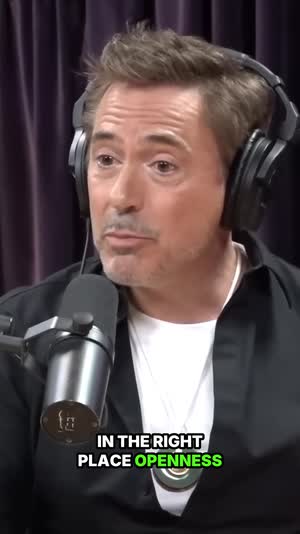
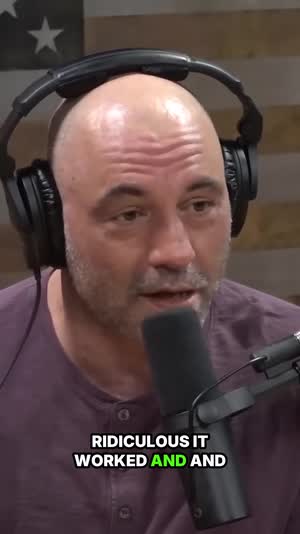
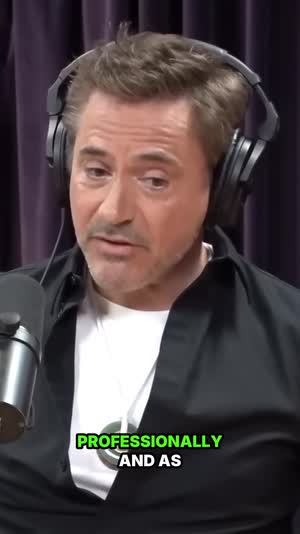
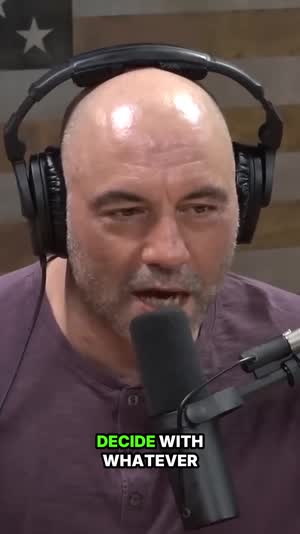
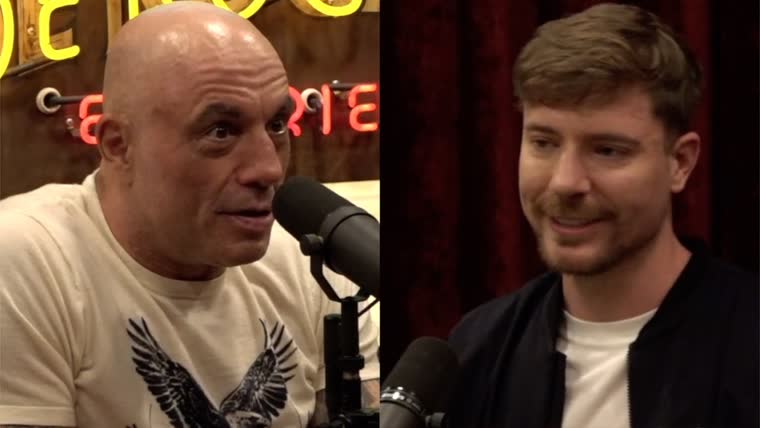
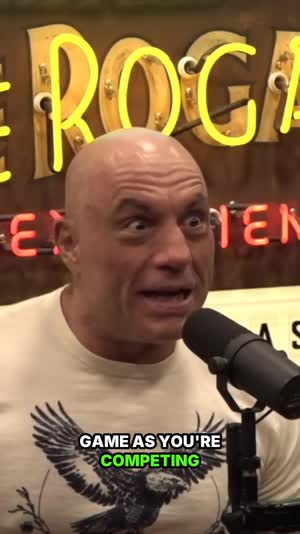
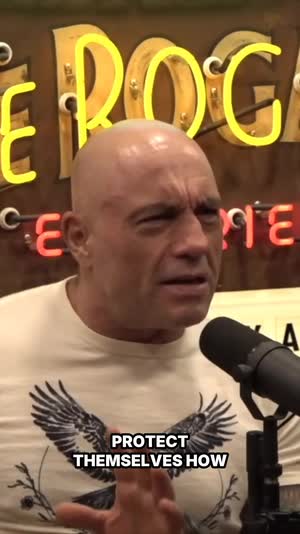
Real ClipSpeedAI output — every clip below was scored, cut, reframed to 9:16 and captioned automatically from the video above it.
Bring whatever you already have — an upload, a VOD link, or a live channel.
1
Send in the footage
Upload a local OBS or capture-card recording, or paste the URL of a stream VOD or a YouTube upload. Nothing has to be pre-trimmed and nothing has to be transcoded first. Every plan handles two hours per submission, so a long session goes in as a couple of pieces split wherever a match or a map ends.
2
The model works through the session
Instead of you dragging a playhead across four hours hunting for the round you half remember, it goes through the recording and marks the segments where something happened — the shout, the laugh, the sudden shift in how you were talking. Every candidate is cut so it begins on a full sentence rather than fading up mid-word.
3
Layout is chosen from what is on screen
Gameplay with a webcam corner becomes picture-in-picture, with your face placed over the action rather than cropped off the side. A menu or capture-card-only recording with no camera gets a straight fill. Two players on a co-stream can go split-screen. You can override any of it and re-render.
4
Sort by score and post
Each clip carries a 0-100 grade, so twenty candidates from one session collapse into a ranked list rather than a folder you have to review twice. Download the top few or push them to TikTok, Reels and Shorts on a schedule that keeps posting on the days you are not playing.
Built for the way gaming footage is shaped
Gaming video breaks in specific ways when it goes vertical. These are the fixes.
🖥
Picture-in-picture that keeps the reaction
The webcam is usually the most valuable rectangle on a gaming stream and it is also the first thing a naive vertical crop deletes, because it sits in a corner. The picture-in-picture layout lifts it out and places it over the gameplay, so a viewer sees the play and your response to it in the same frame.
🗺
Framing that respects the HUD
Game interfaces put critical information at the edges — killfeed top right, minimap top left, ammo and health along the bottom. Zoom-cropping a widescreen game to 9:16 removes about half the width and takes that information with it. Layout selection is about deciding what survives, not just where to point the crop.
🗂
Seven layouts rather than one crop
The set runs from a plain fill or fit, through split screen and the three-up and four-up grids, to a screenshare treatment and gameplay picture-in-picture. A racing sim, a four-player party game and a solo horror playthrough are three different framing problems, and forcing all of them through the same vertical crop is why so much automated gaming content looks identically bad.
🎙
Detection driven by your commentary
What marks a moment is mostly you: the volume jump, the swearing, the "no way" that follows something going right. The model works from speech and audio, which is why commentated footage clips well and why a silent recording gives it far less to grade.
🔤
Captions over loud game audio
Gunfire, music and alerts all compete with your mic, and a lot of viewers have the sound off anyway. Word-by-word captions burned into the file keep the clip legible in both cases, in eleven styles so it can match a channel look rather than shouting default yellow at everyone.
⏸
Queue time and loading screens cut
Gaming sessions are full of lobby waits, respawns and menu navigation. Silence and filler are stripped from each clip automatically, which on this kind of source recovers a surprising amount — the difference between a clip that lands in four seconds and one a viewer abandons during a loading bar.
📊
A score to sort a long session
Twenty candidate clips from one night is a good problem and still a problem. Grading each on its opening, pacing and peak gives you a running order, so the best clip goes out first instead of third behind two that were merely fine.
🔴
Live clipping while you play
Connect a YouTube, Twitch or Kick channel and clips are produced during the stream itself. Details for each platform are on the Twitch clip generator and Kick clip generator pages.
🏷
Channel branding on every export
The Brand Kit holds your logo, colours and fonts and stamps them consistently. For a gaming channel this is most of what makes a stranger recognise their third clip from you as being from the same person as the first.
🤖
Automatable through an API
The same engine sits behind a developer API, and an MCP connector lets Claude cut clips for you conversationally. If your recordings already land in a folder or a bucket on a schedule, clipping can hang off that — see the developer docs.
Which kinds of gaming content this fits
🔫 FPS and battle royale
Short bursts of intensity separated by long quiet stretches. Commentary is what marks the difference, and commentary is what the model reads.
👻 Horror and reaction playthroughs
The clip is your face, not the game. Picture-in-picture with a large webcam is usually the right call here.
🏎 Racing and sports titles
The moment is a single overtake or a last-second goal. Sentence-boundary cutting matters because the callout usually starts before the play does.
⛏ Sandbox and survival games
Slow footage with occasional disasters. Scoring earns its keep on long sessions where the highlights are genuinely sparse.
🧑🤝🧑 Co-op and party streams
Split and grid layouts keep more than one player on screen, which is the whole point when the funny thing is somebody else's reaction.
📼 Highlight and montage channels
Volume work where consistency beats craft on any individual clip. The API makes it schedulable rather than nightly manual labour.
The vertical problem is a framing problem
Almost every complaint about automated gaming clips traces back to one decision: what to throw away when a 16:9 frame becomes 9:16. That conversion discards roughly half the width, and games put meaningful things in exactly the places that get discarded. A centre crop of a shooter keeps the crosshair, which is convenient, and loses the killfeed that explains what just happened, which is not.
The webcam is the worse loss. It lives in a corner by convention, so a naive crop removes it entirely, and what remains is anonymous gameplay footage that could belong to anyone. Your channel is the person, not the game — a clip of gameplay with no face in it competes against every other clip of that game, on nothing but the play itself.
Choosing between seven layouts rather than applying one crop is what fixes this. A game with a facecam becomes picture-in-picture. A capture-card recording with no camera at all gets a fill or a fit, depending on whether the edges of the HUD matter. Two people become a split. It is less glamorous than the moment detection, and it has a bigger effect on whether the clip is watchable.
What it listens for, and what it cannot see
Be clear about the mechanism, because it determines whether this tool will work for you. Moments are found through speech and audio: what you said, how loudly, how the energy of the room changed. Commentated gameplay is therefore the ideal input, and the more expressive the commentary, the better the shortlist.
It does not read game state. There is no killfeed parsing, no score tracking, no detection of an ace or a triple kill from the pixels of a scoreboard. If you play in total silence, a great round and a dull one look much the same to it, and you will get a thin set of clips back. That is a real limitation and it is better stated up front than discovered after paying.
The upside of an audio-first approach is that it generalises. A model tuned to one shooter's killfeed is useless on a farming sim. Reactions work in every genre, which is why the same detection handles a horror playthrough and a rocket-league match without anyone teaching it either game.
Where gameplay clips usually fail in the first three seconds
Starting too early is the biggest one. Eight seconds of walking down a corridor before the fight is eight seconds a scrolling viewer will not give you. The cut should land just before the callout that signals something is about to happen, which is why the front edge is the edit worth making by hand when the automatic one is off.
Second: no face anywhere in the frame. Gameplay-only clips have to beat every other clip of that game on execution alone, and unless the play is genuinely exceptional, they do not. Keeping the webcam in shot is the cheapest possible differentiator.
Third: needing the score to understand the moment. If the clip only makes sense once you know it was match point, either the commentary has to establish that or a title card does. A viewer with no context will not infer stakes from a HUD they cannot read at phone size.
Fourth: unreadable captions over a busy scene. Gameplay is visually noisy, so caption styling that survives a clean talking-head shot can disappear entirely over an explosion. Pick a style with a solid background or a heavy outline for anything with a lot of motion behind it.
A workflow that turns one session into a week of posts
Submit the recording the same night, while you can still remember roughly what happened. Reviewing a shortlist is much faster when the session is fresh — you will recognise the good moment from its thumbnail alone, and you can discard three-quarters of the list in under a minute.
Take four or five, not twenty. Post one immediately and schedule the others across the days between sessions, so the account keeps moving even when you do not play. The clips you hold back are not wasted; they are the buffer for the week something goes wrong with your PC.
Vary what you post. Two clutch plays, a funny failure and a moment of straight commentary will outperform four clips of the same thing, because a feed algorithm and a human being both get bored of a channel that only does one trick.
Every month or so, run a session from the archive through. Old gameplay is only old to you — a stranger seeing it for the first time has no idea it happened in April, and most channels have far more unclipped footage than they will record next month.
Automated selection versus cutting gameplay by hand
The comparison people expect is about cut quality, and on any single clip a person wins. An editor who knows the game starts two seconds earlier because they know the callout matters, holds the reaction a beat longer, and picks the take where your voice cracked. Nothing here beats that on one clip.
The comparison that actually decides your week is about search rather than craft. Cutting by hand means watching your own session back, and that is where the hours disappear — not in the trim, in the scrubbing. Say you record a four-hour ranked session and remember four moments from it: locating them costs most of an evening, and realistically you find three.
Automated selection changes the unit of work rather than the ceiling on quality. You read a ranked shortlist instead of a timeline, which takes minutes, and then you hand-edit the two that deserve it. Most streamers who stay with automation land on exactly that hybrid instead of picking a side — the machine does the watching, a person does the last ten per cent on the clips that represent the channel.
One job still belongs entirely to manual editing. A montage — music underneath, cuts landing on the beat, a build across ninety seconds — is a composition, not a selection, and no shortlist produces one. Use the shortlist to gather the raw moments and assemble the montage somewhere else.
When automated clipping is not the right answer for gameplay
Silent play is the honest disqualifier. Detection reads speech and audio, so a no-mic session gives it nothing that separates a clutch from a reload, and it returns a thin list rather than inventing one. It turns out that is the better failure of the two: a tool willing to fill twenty slots from silent footage costs you an hour of review and hands back nothing.
Highly visual, low-talk genres sit in the same bucket. For example, a precision platformer run where the whole achievement is mechanical and the room is quiet reads perfectly to a viewer and is close to invisible to a detector working from a transcript.
The economics change too if your channel ships one heavily produced short a week rather than daily volume. Coverage is worth most to somebody with more footage than attention. At one clip a week you have the attention, and the same effort spent inside an editor buys more.
And if you cannot record a camera at all — a console capture with no webcam, a shared machine, a handheld — you lose the differentiator that makes picture-in-picture worth having in the first place. The tool still runs, but what comes back competes on the play alone, against every other clip of that game, which is a much harder market than competing as yourself.
Long sessions are the actual bottleneck
The reason most gaming channels post so little short-form is not that the footage is bad. It is that reviewing your own five-hour session is miserable work. You remember that something good happened around the middle, you scrub, you overshoot, you watch four minutes of a lobby, and an hour later you have found two of the four things you were looking for.
Handing the review to a model changes the unit of work from hours of scrubbing to a few minutes of reading a shortlist. The clips are already cut, already vertical, already captioned, so the decision in front of you is only which ones to post.
That has a compounding effect on a channel. Posting five clips a week from sessions you were streaming anyway is a completely different growth curve from posting one clip whenever you can face the edit, and the difference has nothing to do with how good you are at the game.
What finding facecams in real streams has taught us
Observations from operating the pipeline in production — not general advice.
A streamer's layout is one decision for the whole night
The per-chunk corner-cam detector is not reliable enough to be trusted alone — on busy scenes it misses the cam often enough that re-deciding the layout for every clip produced visibly inconsistent nights. One slots stream cut five clips as a correct facecam-over-game split, then a fresh detection missed the cam and the last two rendered as a plain vertical crop, from identical footage. So the decision is now pooled rather than per clip: an identity needs 3 chunk votes with a clear majority before it locks, and 5 consecutive contrary chunks before it is allowed to flip. A single miss cannot change your framing halfway through a session.
A bright rectangle is not a webcam, and we have the clips to prove it
The first version of facecam detection scored regions on brightness, motion and texture, which sounds reasonable until you remember what a game screen contains. It flagged sponsor banners, HUD panels and in-game overlays as the webcam, and clips shipped with all three sitting in the picture-in-picture slot. The replacement runs an actual face model over 8 frames sampled across the chunk and clusters the detections: a real cam sits in the same spot in every frame and forms a tight cluster, while characters and NPCs scatter or appear once. If no cluster persists across at least half the sampled frames, the answer is no facecam and it renders a centre crop rather than guessing.
Splitting the frame needs four things to be true at once
A picture-in-picture render only happens when there is a corner cam, a content screen to put underneath it, a tile of sane dimensions, and a face actually verified inside that tile. Each of those guards is there because a specific clip failed without it. An IRL streamer in a busy room read as a content screen and got split with nothing meaningful in the lower half. Another stream locked onto a top-left "cam" that was two people on a couch behind the streamer. A tile covering most of the frame is not a tile at all. Fail any one test and it renders a clean single crop, because a bad split looks worse than no split.
Compared with the alternatives
vs. Shadowplay, ShareX or the console clip button
Instant-replay capture is excellent at what it does: preserving the last thirty seconds when something unexpected happens. It relies on you noticing in time, it saves widescreen files with no captions, and it leaves you a folder of raw clips that still need editing. Capture and publishing are two different jobs.
vs. editing in Premiere, DaVinci or CapCut
Those tools can produce a better single clip than any automation, and if you are building a montage with music and beat-matched cuts you should use them. What they do not do is watch your session for you. The step being replaced is the search, and the search is the part that takes the evening.
vs. hiring a dedicated clipper
Someone who knows your game and your sense of humour will beat a model on selection, reliably. The trade is cost per clip and turnaround measured in days, which is awkward for content tied to a patch or a meta that moves weekly. Automation for the daily posts and a person for anything that represents the channel is a workable split.
vs. AI clippers that treat gaming as an afterthought
Most handle a talking-head video well and treat gameplay as an edge case, which shows up immediately in a vertical crop that has thrown your facecam away. Ask specifically about layout handling and about live clipping, then run a session through and look at where the webcam ended up.
Frequently asked questions
Will my facecam survive the vertical crop?
On gameplay footage the picture-in-picture layout keeps the webcam over the action rather than cutting it off with the rest of the frame edge. This is the first thing to check on any clipping tool, because a corner webcam is precisely what a naive centre crop removes.
Does it detect kills or in-game events?
No. There is no reading of the killfeed, the scoreboard or any other game UI. Detection runs on speech and audio, so what marks a moment is your reaction to it. In practice that covers most of what makes a clip, but if you play silently it is the wrong tool.
What if I record without commentary?
Expect noticeably fewer clips. Without a voice track the model has far less to grade, and a quiet session will come back with a short list. Some people work around this by recording a commentary pass over the footage first, which gives it something to read.
How long a session can I submit?
Two hours per upload, and that cap is the same on the $1 trial as on any paid plan. Longer sessions should be cut at a natural boundary — end of a match, end of a map — and submitted as separate pieces. A five-hour night therefore goes in as three.
Can I use a local OBS recording?
Yes, upload the file directly. Capture-card recordings, Shadowplay saves and screen recordings all work as long as they are a standard video file. There is no requirement that the footage was ever streamed anywhere.
Does it work on console footage?
If you can get the recording onto your computer as a video file, yes. Console clips exported to a phone or a drive upload the same as anything else, though the shorter capture length means there is less for the model to choose between.
What does the gaming clip generator cost?
It starts at one dollar: a three-day trial takes a card up front and runs a real session, which is the cheap way to see how it frames your specific setup. Pro is thirty-nine dollars a month after that. Cancelling is one click and we warn you by email before the trial converts.
Is there a watermark on gameplay clips?
No — not on the $1 trial and not on a paid plan, so every export renders clean. The Brand Kit can put your own channel logo on them instead if you want a mark there.
Which layout will it pick for my footage?
It is chosen from what is actually visible. Gameplay with a webcam corner tends toward picture-in-picture, footage with no camera goes to fill or fit, and two players on screen can go split. If it picks wrong, switch layout and re-render — that path is one click.
Can it handle four players on a co-op stream?
The three-up and four-up grid layouts exist for exactly that. On party games the reactions from the other players are usually the reason the clip works, so keeping them in frame is worth more than a larger view of the game.
Are captions added to gaming clips automatically?
Yes, word by word and burned into the video. Given how much competing sound is in a typical gaming clip, and how many people watch on mute in public, captions do more work here than on almost any other kind of footage.
Will a clip start in the middle of me talking?
It should not. Cuts are placed at sentence boundaries so a clip opens on the beginning of a callout rather than halfway through it. On gaming footage this matters because the shout usually starts before the play resolves.
What does the score mean for a night of gameplay?
A 0-100 rating covering how the clip opens, how it moves and where its strongest beat sits. Use it to rank a night's output against itself. It is a triage tool for deciding what to post first, not a prediction of view counts.
Can I trim a gameplay clip after it is generated?
Yes. Pull the start earlier to include more setup, push the end later to catch the reaction, change the layout, restyle the captions and render again. Gaming clips get trimmed more often than most, usually to add a second of context before the play.
Does it clip a stream live while I am playing?
Yes, if you connect a YouTube, Twitch or Kick channel. Clips are produced during the broadcast, which means a good round can be posted while you are still in the next one.
Can I post the clips straight to TikTok and Shorts?
Connect your accounts and publish immediately or queue them. Scheduling is what most gaming channels use it for, since one long session can supply the whole week between streams.
Which aspect ratios work best for gameplay clips?
Vertical 9:16 is the default and the right answer for TikTok, Reels and Shorts. Square 1:1 and widescreen 16:9 are also available, and the widescreen export is useful when you are cutting a longer highlight video for YouTube from the same footage.
Does it remove the boring parts inside a clip?
Silence, filler words and dead air are trimmed within each clip, so a lobby pause or a long reload does not sit in the middle of a forty-second cut. It does not restructure the moment, only tighten it.
Do you generate extra footage to pad a clip?
No. There is no text-to-video, no generated overlays and no stock library being spliced in. Everything in the export came out of your own recording, which is the only version that makes sense for gameplay anyway.
Do you add synthetic narration or translated audio?
No to both. We do not synthesise a voice over your clips and we do not produce dubbed language tracks. Captions cover multiple languages, English most reliably, but the audio stays exactly as you recorded it.
How many clips will a long session produce?
It depends entirely on how eventful it was and how much you talked. A lively four-hour stream often produces a couple of dozen candidates; a quiet grinding session produces a few. We would rather return five worth posting than pad the list to twenty.
How long does a two-hour session take to process?
Usually a few minutes, though a full two-hour submission takes longer than a short recording and queue depth affects it too. There is no need to wait on the page — the clips appear in your library when they are done.
Can I clip somebody else's gameplay video?
The tool will accept the URL. Whether you can publish the result depends on the rights in that footage and on the rules of the platform you are posting to, which is a judgement you make rather than one we make for you.
Is there an API for a clip channel workflow?
Yes. The developer API runs the same engine, and the MCP connector lets Claude handle it in conversation. Channels producing daily volume usually automate submission rather than doing it by hand each night.
What happens to my gameplay recordings?
They are processed to produce clips and are not published anywhere by us. The clips belong to you. Storage and handling are described in the privacy policy.
Can I also use it on my YouTube gaming uploads?
Yes, paste any YouTube URL. A finished let's play or a highlight video is often the easiest source of short-form, and the YouTube Shorts maker page covers that route in more depth.
What is the biggest mistake gaming channels make when they automate clips?
The biggest mistake is publishing the whole shortlist. Twenty files from one night spreads whatever reach you had across clips that were merely fine and teaches a feed that your handle is filler. Take three, bank the rest, and let a fortnight of consistency do what a single dump never does.
What are the alternatives to an AI gaming clipper?
A replay-buffer hotkey saves the last thirty seconds whenever you notice something in time. An editing suite gives total control at the price of an evening per session. A paid clipper gives you judgement no model has, at a few days of turnaround. Each covers a different weakness, and most channels running real volume end up using two of the three rather than committing to one.
How do I stop the subscription renewing?
One click from your account page. Billing stops from that point and your access continues until the end of the period you already paid for, with an email sent before any trial converts so nothing happens quietly.
Feed it last night's session
Pick a recording where you know something good happened, and check whether the shortlist found it and kept your face in the shot.