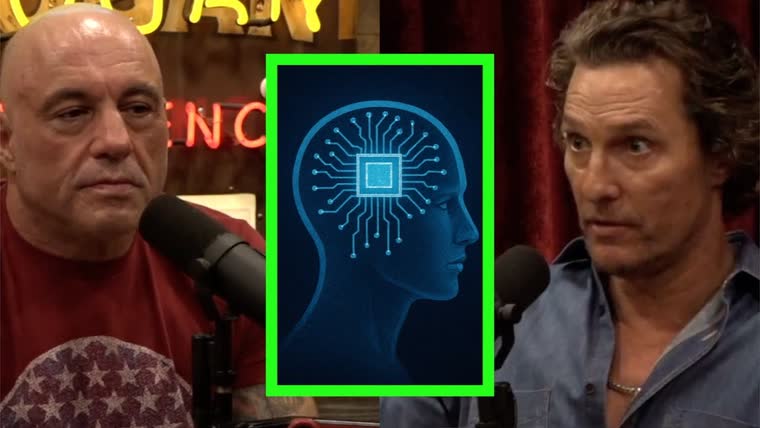
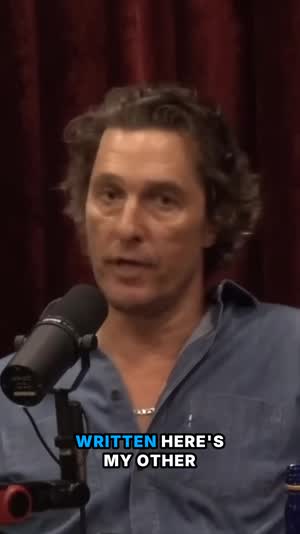
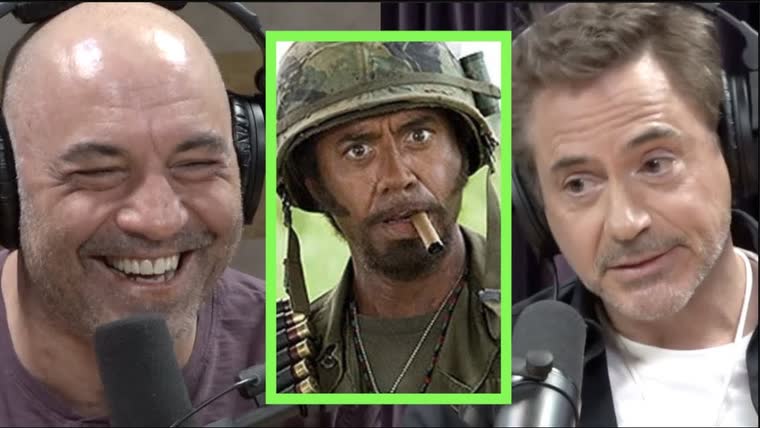
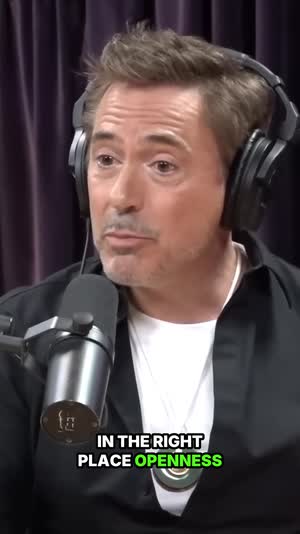
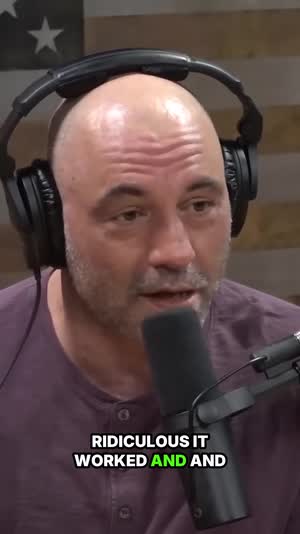
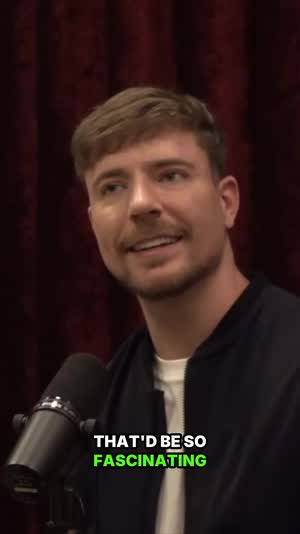
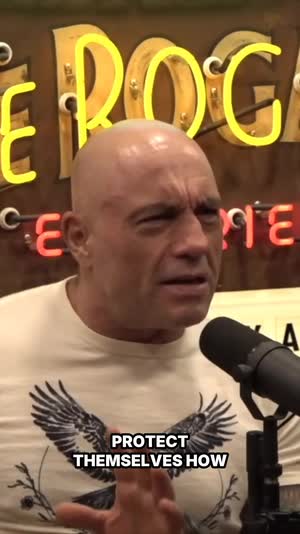
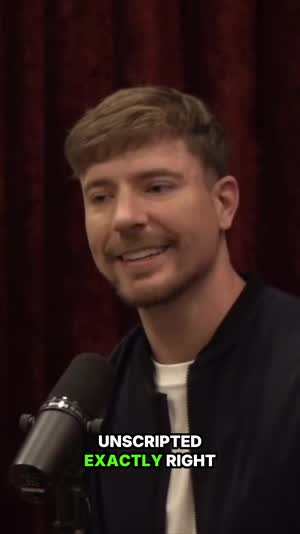
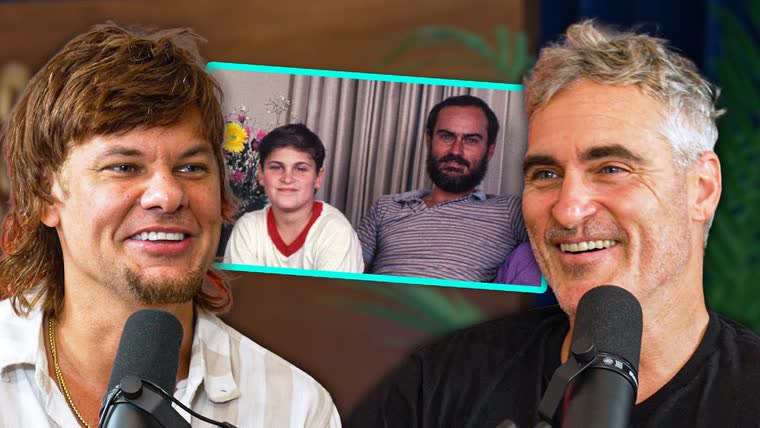
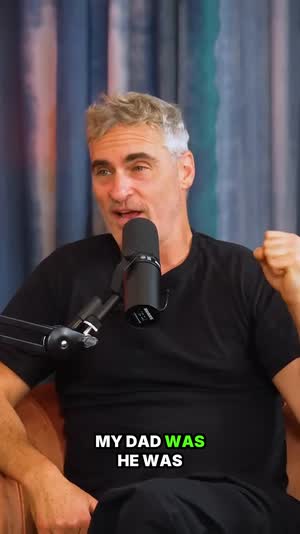
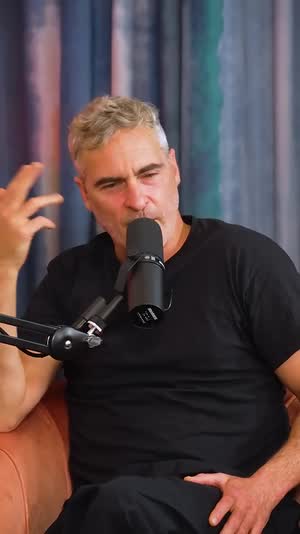
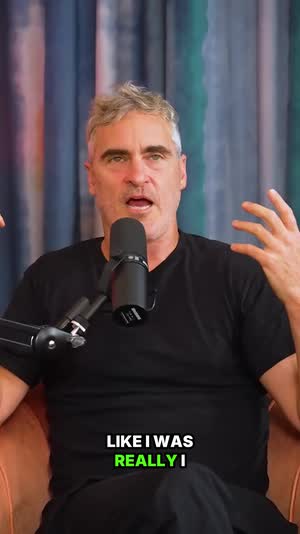
Ninety minutes of conversation, cut so both faces survive the crop to Reels
Two chairs at an angle, one wide camera, and a vertical frame with room for roughly one of them — that collision is what stands between a video podcast and an Instagram account worth following. Drop the episode in and the AI marks the exchanges that hold up out of context, stacks host and guest so the crop discards neither, captions them word by word, and returns a shortlist with a 0-100 grade attached to each.
🎬 Enter any URL under 2 hours
⏱ That video is longer than we can process
Built for video podcasts
Keeps both speakers in frame
Captions that survive a muted feed
Ranked so you know what goes first
Queue a release week in one sitting
One long video in, a week of posts out
Paste a link. Get the best moments.
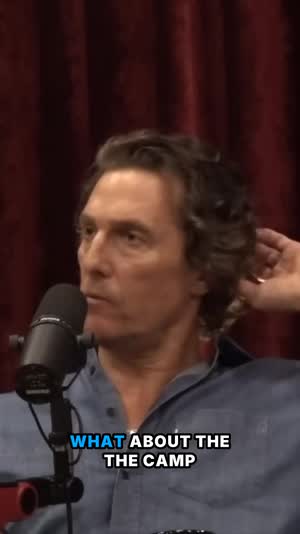
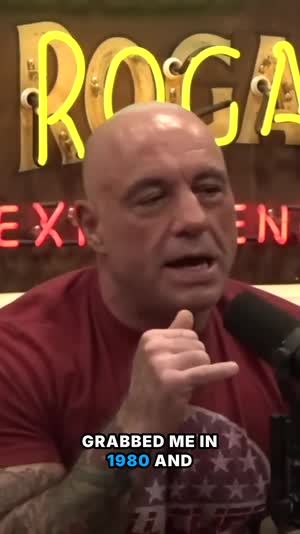
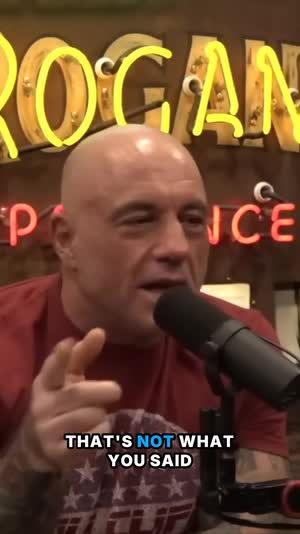
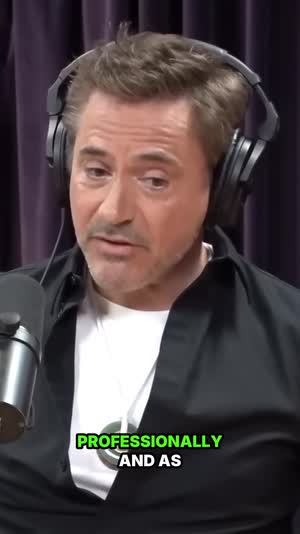
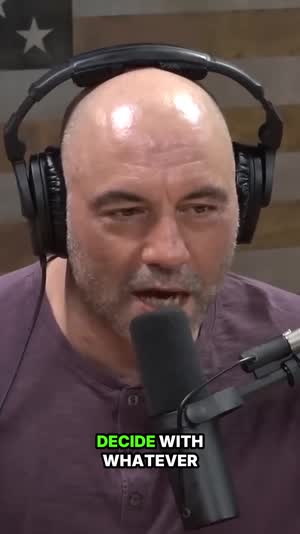
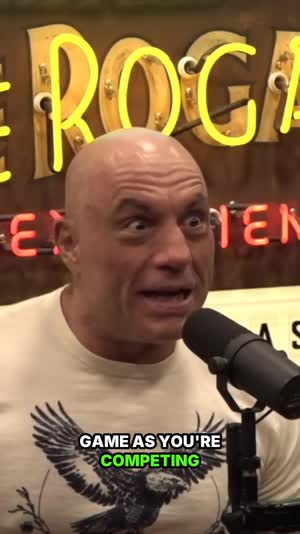
Real ClipSpeedAI output — every clip below was scored, cut, reframed to 9:16 and captioned automatically from the video above it.
Paste the YouTube link if you publish the video version there, or upload the recording straight from your machine — a multicam export, a Riverside or Zoom render, whatever your setup produces. Two hours of source per file on every plan, the $1 trial included, which covers the overwhelming majority of episodes — so try it on a full episode rather than on a solo segment.
2
The AI listens for the exchanges that stand alone
Podcasts are not evenly interesting, and the good parts are rarely where you remember them being. The model reads the transcript for passages that make sense to a stranger with no context: the question that made your guest pause, the number that surprised you, the disagreement that got specific. Each is cut at sentence boundaries so it opens on a whole sentence and closes on a finished thought rather than a trailing breath.
3
Pick the winners and schedule the week
The shortlist comes back vertical, captioned and graded 0-100. Watch the top few with the sound off, which is how most of Instagram will see them, then adjust anything you want and push them into the calendar. The scheduler posts to Reels, and to TikTok and Shorts from the same queue if you cross-post.
Built around how podcasts actually record
Two people, one wide camera, long runtimes and loose talk. Each of these exists because of a specific way that footage breaks.
👥
Both people stay on screen
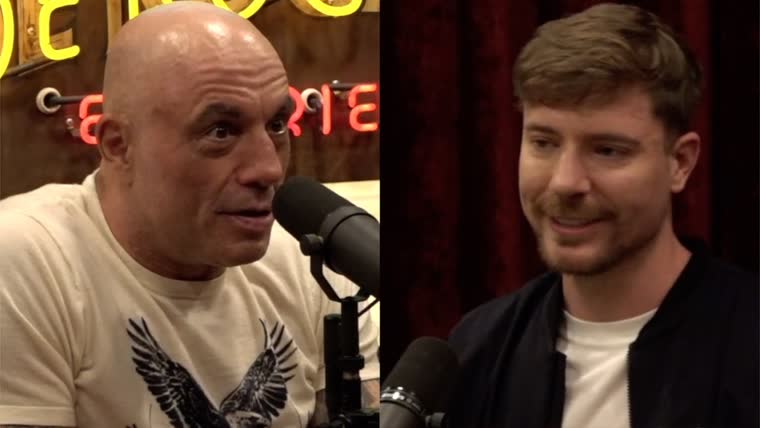
A guest interview shot as a wide two-shot is the hardest thing to convert to vertical, because the interesting frame is the reaction, not the speaker. Split-screen stacks host and guest so the face that is listening is visible too. When the table has three or four chairs, the grid layouts keep everyone rather than picking one and hoping.
🎚
Cut around crosstalk and laughter
Real conversation overlaps. People talk over each other, laugh mid-answer and restart sentences twice. Boundaries are placed on complete sentences rather than on silences, which is what stops a Reel from opening on the tail of somebody else's word or ending on half a laugh.
🔤
Captions that carry a muted watch
Instagram autoplays quietly in a lot of contexts, and a podcast Reel with no captions is a video of two people moving their mouths. Word-by-word captions in eleven styles are rendered into the frame itself, so they cannot be switched off and never drift out of sync with the audio.
📏
Room for Instagram's own furniture
Instagram draws the caption, the handle and the audio credit across the bottom of a Reel, and stacks its buttons up the right edge. When you review a clip, check the lower fifth and the right margin: anything important sitting there will be covered on a real phone even though it looked fine in the preview.
📊
A 0-100 grade per clip
An episode gives you more candidates than you have slots, and choosing between them at midnight is where the process usually collapses. Each clip is scored on its opening, its pacing and where its peak lands, which turns the shortlist into a running order for the fortnight. The viral score checker goes into what the number does and does not mean.
✂️
The looseness taken out
Podcast talk is full of ums, restarts and three-second gaps while somebody finds a word. All of it is stripped automatically. On a sixty-second Reel that regularly buys back five or six seconds, which is the margin between a clip that feels edited and one that feels like a recording somebody left running.
🎨
A consistent look across episodes
Reels from the same show should be recognisable in a grid before anyone reads the handle. The Brand Kit locks your fonts, colours and logo so episode forty looks like episode four, which is more valuable for a podcast than any single clip performing well.
📅
A release week, queued at once
Podcasts run on a cycle: the episode lands, and the promotion should land steadily over the days after it. Queue five or six Reels against that cycle in one sitting rather than remembering to post each morning, and hand the guest their own clips to share on the day.
🔁
Square and landscape from the same pass
Alongside 9:16 you can export 1:1 for a feed post and 16:9 to reuse on the show page or in the newsletter. The clip was already found and captioned; changing the shape of it should not mean starting again.
Shows this suits
🎤 Shows built around a guest
The guest brings their audience if you give them something to post. Clips of the guest saying something quotable are the single most shared asset an interview show produces.
💼 B2B and industry shows
Your listener is on Instagram between meetings, not searching podcast directories. A clip is the only discovery surface most B2B shows have.
🧠 Health, therapy and coaching shows
A single clear answer to a question people are quietly worried about travels further than any episode trailer. Those answers are usually buried forty minutes in.
😂 Comedy and culture shows
The bit either works in isolation or it does not, and no amount of editing rescues one that needs ten minutes of setup. Scoring gives you a second opinion before you spend a slot on it.
⛪ Sermons and faith podcasts
A message contains several passages that stand alone and travel well. Captions do most of the work, given how much of that watching happens quietly.
🏢 Branded and agency-run shows
Client shows are commissioned with a short-form deliverable attached. This is how the deliverable gets met without a per-episode editing bill.
A Reel is a trailer, and trailers are edited differently
The instinct when clipping a podcast is to pick your favourite part. That is usually wrong, because your favourite part is favourite partly because of everything around it. A Reel has no around it. It has to work for somebody who has never heard your voice, does not know your guest, and gave the video roughly a second and a half before deciding.
So the selection criterion is not is this the best bit, it is does this survive being lifted out. A specific claim survives. A story with a beginning and an end survives. A callback to something said forty minutes earlier does not, no matter how much the room enjoyed it. The model is looking for self-contained passages for exactly this reason, and that is also the test you should apply when you review the shortlist.
This is also why volume matters more than perfection. You cannot reliably predict which clip lands, and neither can any tool. What you can do is put out five a week instead of one a month, which changes the arithmetic entirely.
Why podcast footage is the awkward case for vertical video
Almost everything about a podcast set is designed for a landscape frame. Two chairs at an angle, a table between them, microphones in the shot, and both people sized to fit comfortably in 16:9. Slice a 9:16 window out of the middle of that and you get the table, the mic stands and two half-faces at the edges.
The fixes are the layouts. One speaker in a solo segment can simply be tracked and filled to the frame. A two-person exchange usually wants split-screen so the reaction is visible, because in an interview the reaction frequently is the clip. A four-chair panel wants the grid, and forcing it into a single crop means three people vanish every time somebody interjects.
The second awkwardness is audio. Podcast recordings run long with uneven energy, and the transcript is full of overlapping speech. Cutting on sentence boundaries rather than on volume changes is what keeps a clip from starting halfway through a word — the failure that reads as broken before the content has had a chance to matter.
When this is not the right tool for your show
If your show is audio only, there is nothing to reframe. A waveform in a vertical rectangle is not a Reel, and no amount of caption styling changes that. Getting a camera into the room, even a single locked-off one, is the prerequisite — and it is a cheaper fix than it used to be.
If your episodes are heavily produced with music beds, tape inserts and scripted narration, automated selection will be less useful to you than to a conversational show. The tool finds moments inside talk; it does not understand a segment structure you built deliberately in post.
And if you record with your guest on a remote call where only one person is on screen at a time, expect a lot of single-speaker clips. That is not a failure of the crop, it is what the source contains. Say so in your own planning rather than hoping the software invents a second camera.
Where podcast Reels most often go wrong
Starting on the question rather than the answer. The host asks something for eleven seconds, the guest gives a superb reply, and the clip has already lost half its viewers before the reply begins. Unless the question is itself provocative, trim into the answer and let the caption supply the context.
Putting anything you need read in the bottom fifth of the frame. Instagram covers that band with its own interface on a real device, so a title card or a lower-third caption placed there is legible in your preview and invisible in the feed. Watch a test clip on a phone, in the app, before you standardise a look.
Ignoring the grid. Your profile shows a cropped preview rather than the full vertical frame, so a Reel whose only interesting visual sits at the very top can appear blank to somebody browsing your page. Pick a cover frame with a face in it.
And the quiet one: posting the same three moments from every episode. Interviews have recurring shapes, so if you always pick the origin story and the hot take, your feed becomes repetitive even though every episode was different. Ranking a full shortlist rather than reaching for the obvious two is a genuine defence against that.
A release-week cadence for a weekly show
Treat the episode as a campaign rather than a single event. Process the recording the day it is finalised, pick five or six clips, and spread them across the week so the episode is being introduced to new people on Thursday as well as on Monday.
Give the guest their clips before publication day, not after. A guest who has files in hand the morning the episode drops will post them; a guest who receives a link a week later usually will not. That single habit does more for an interview show than any change to the edit.
Keep one strong clip back. Weeks happen where nothing gets recorded, and a reserve of two or three graded clips from previous episodes is what keeps the account alive through them. Back catalogue counts here too: a clip from an episode eighteen months old is new to everybody who found you since.
Troubleshooting a Reel that did not come out right
The clip opens on half a word. Boundaries are read off the per-word transcript, so when the first second of a passage is contested — crosstalk, a cough, two people starting at once — the sentence the boundary attached itself to genuinely began earlier than the words suggest. Pull the in point back half a second and the fragment disappears. Here's why it is worth the ten seconds it costs you: a viewer reads a broken opening as a broken video before they have heard a single idea.
The crop is on the host while the guest is answering. On a wide two-shot the frame follows whoever the audio says is talking, and a host murmuring "right, exactly" through an answer is talking as far as the audio is concerned. Do not re-cut that clip — switch it to split-screen instead. The per-word transcript is already cached against the source, so a layout change re-renders that one clip without another pass over the audio.
The guest's surname is spelled three different ways across the batch. Proper nouns are the weakest point of every transcription system, and a name that appears eleven times in a 90-minute episode will not fail identically each time. Correct it in the clips you are actually posting rather than trying to clean the entire transcript, since the caption is rendered into the picture at export and only the exported clips matter.
Nothing in the batch came back above the sixties. That is usually a property of the episode rather than a fault in the grading — long build-ups, running jokes and arguments that need the previous twenty minutes all score exactly as badly as they travel. It is worth knowing that a thin shortlist one week and a strong one the next is ordinary variance for an interview show, not a signal that something needs reconfiguring.
Automated Reel cuts versus editing the episode by hand
An editor who has sat through the whole episode will beat this on the two or three clips that matter most. They hear the joke that needs four extra seconds of setup, they know which of your guest's stories you have already used twice, and they will build a cold open that no ranking model would ever propose. That skill is real and it is worth paying for.
What an editor cannot do is turn up every Tuesday for nothing. Say you publish weekly and want six Reels per episode: that is more than three hundred cuts a year, each needing a listen, a layout decision, a caption pass and an export. Most podcasters who abandoned short-form did not conclude it was ineffective. They ran out of Tuesdays.
The division that holds up in practice is machine for the flow, human for the flagship. Let the engine cut and rank the shortlist, post five of them without ceremony, then take the one clip you genuinely care about and edit it properly — starting from the automated cut rather than from a two-hour timeline with nothing on it.
Alternatives a show should weigh before committing
Transcript-first editors are the natural other option for a talk-heavy show, and deleting a sentence from a paragraph to remove it from the video is a genuinely pleasant way to work. What they do not do is decide which sixty seconds of ninety minutes deserves a slot. Selection and ordering stay entirely your problem, and selection is the part that eats the evening.
A per-episode clipping editor, or a VA working from timestamps you supply, solves volume with money rather than with software. On a sponsored show that arithmetic often works out, and a person will catch the clip that would embarrass your guest — something no scoring model is capable of noticing.
The other automated clippers in this category do broadly the job this page describes. The differences that actually reach the output are narrower than the marketing implies: whether cuts land on sentence boundaries or on a fixed duration, whether a two-shot keeps both faces or picks one, whether you get a 0-100 ranking or an undifferentiated folder, and whether live streams are handled at all. Those four questions separate the category more reliably than any feature table.
And the option nobody sells you: publish the episode and do nothing else. For a narrative show, or one built around music and scripted segments, the short-form treadmill can be a poor fit and those hours are better spent on the episode itself. That is a legitimate answer and it costs less than every other one listed here.
Settings and export choices that change what you get
Clip length moves the result more than any other control. For spoken word the useful band is roughly thirty to ninety seconds. There is a hard fifteen-second floor in the engine because below it a clip reads as a fragment however good the moment inside it is, and past ninety seconds a podcast passage has to genuinely earn the extra time. When a Reel feels flabby the fix is nearly always to trim into the answer, not to raise the cap.
Aspect ratio and layout are separate decisions and people routinely conflate them. 9:16 is the Reels export; generating 1:1 in the same pass gives you a feed post, and 16:9 gives you something for the show page or the newsletter. Layout — single tracked speaker, split-screen, three-up, four-up — is what decides whether the reaction survives the crop, and it can be changed per clip afterwards without re-reading the audio.
Treat caption style as a season-level decision rather than a per-clip one. Pick one of the eleven and hold it. Because captions are burned into the picture instead of shipped as a sidecar file, they survive a re-upload to any platform and cannot drift out of sync after somebody trims the clip; the trade is that changing your mind later means a re-render rather than a settings toggle.
Leave filler and silence removal switched on. Take a 45-minute solo episode as a worked case: with no second voice to cut against, the gaps where you are hunting for a word are the entire texture of the recording, invisible at full length and glaring inside a sixty-second window. Solo shows gain more from this pass than interviews do, which is the reverse of what most people assume before they run one.
What podcast footage taught this engine
Observations from operating the pipeline in production — not general advice.
Silence is the wrong place to cut a conversation
Cutting on silence works on scripted video and falls apart on interviews, because the longest gap inside a good passage is usually the host drawing breath while the guest is still mid-thought. Boundaries here are read off the per-word transcript and placed on complete sentences instead, which is why a podcast clip opens on a whole word rather than on the tail of one somebody else was still saying.
In an interview the reaction is frequently the clip
A single tracked crop follows whoever is speaking, which on a two-person recording means it turns away from the guest at the exact moment their expression is the point. That is the reason split-screen is the sensible default for two-shot footage rather than something you go hunting for in a menu: the frame that makes the clip work is often the silent one, and a speaker-following crop throws it away by design.
The second pass on an episode is the cheap one
Most of the wait on a ninety-minute upload is transcription rather than rendering. Because the per-word transcript is cached against the source, changing a layout, swapping one of the eleven caption styles or nudging a boundary re-renders that one clip instead of re-reading the audio. In practice the expensive decision is which episode to run, not how many versions of a clip you are willing to try.
How this compares
vs. clipping it yourself in Descript or Premiere
Both are perfectly capable, and if you enjoy that work you should keep doing it. The reason podcast Instagram accounts sit empty is not incompetence, it is that the job arrives every single week and competes with recording the next episode. Six clips per episode, done by hand, is a part-time role.
vs. paying a clipping editor
A good editor understands your show and will beat automation on the clips that matter most. They also cost per clip and turn work around on their schedule, which makes them a poor fit for volume. The pragmatic split is automation for the weekly flow and a human for the episode you want to push hard.
vs. posting an audiogram
Audiograms had a moment and Instagram has moved on. A static image with a bouncing waveform gets scrolled past because nothing is happening on screen. If you have video, use it; if you do not, fix that before you invest more effort in promotion.
vs. other clipping tools
Most handle uploaded video competently and the differences are in the details: whether cuts land on sentence boundaries, whether two-person footage keeps both faces, and whether you get a ranking or just a folder. ClipSpeedAI also clips live streams in real time and is reachable from Claude via MCP, which is unusual in this category. The way to settle it is to put one episode through and look at the output.
Frequently asked questions
How do I turn a podcast episode into Instagram Reels?
Paste the link to the video version of the episode or upload the recording. The AI works through the transcript, selects the exchanges that hold up out of context, crops each to vertical with the right speaker framed, burns in captions and hands back a graded shortlist. From there you review, tweak anything you want, and schedule to Instagram.
Does my podcast need to be filmed?
Yes, for this to be useful. Reels are a visual format and there has to be something on screen worth looking at. If you currently record audio only, even a single static camera on the table changes what you can post. Many shows publish the video version to YouTube, and that URL works as an input here.
How many Reels should I expect from one episode?
A conversational hour usually produces somewhere between eight and twenty candidates worth reviewing, of which you will probably post five or six. Density varies enormously by show — a tightly focused interview yields more usable material per minute than a loose three-hour hangout, even though the hangout is longer.
What does it cost to try it on my podcast?
Access starts with a 3-day trial for $1, which takes a card up front and handles source up to two hours, so you can judge it on a full episode rather than on a solo segment. After the three days it becomes Pro at $39 a month. You can cancel in one click, and we send an email before the trial rolls over.
Can it handle a full ninety-minute episode?
Paid plans take up to two hours of source per upload, so a ninety-minute episode is well inside the limit. If your show regularly runs past two hours, split the file at a natural break and process it in two passes.
Will both the host and the guest be visible?
In split-screen layout, yes — both faces are stacked in the vertical frame. That layout gets chosen when the footage warrants it, which is most two-person interviews, because the listener's reaction is often what makes the clip work. Single-speaker segments are tracked and filled instead.
What about a panel with three or four people?
There are three-up and four-up grid layouts for exactly that. On a busy panel a single tracked crop would cut away whoever interjects, and interjections are usually the moment worth clipping in the first place.
Will there be a ClipSpeedAI mark on the finished Reel?
No. Reels render clean from the $1 trial onwards, with nothing of ours burned into the frame. You can also apply your own show branding through the Brand Kit so every Reel is visibly from the same podcast.
Can I choose the caption style?
There are eleven styles to pick from, and you can change the choice per clip or standardise on one for the whole show. Consistency tends to serve a podcast better than variety, because it makes your clips recognisable in a crowded feed before anybody reads the handle.
How long should a podcast Reel be?
Instagram permits considerably longer than it used to, but for spoken-word content the practical range is roughly thirty to ninety seconds. Below thirty there is rarely enough for a point to land; above ninety you need the material to genuinely earn it. Clips come back inside a sensible range and you can adjust the in and out points before exporting.
Can I edit the clip the AI produced?
Yes. Trim the start and end, change the layout, swap the caption style, correct a mistranscribed word, edit the title and re-render. Treat the output as a strong first draft rather than something you either accept or discard whole.
Will captions get the guest's name right?
Not always, and this is the single most common thing worth checking. Proper nouns, brand names and technical jargon are where every transcription system struggles. Captions are editable, so give the top few clips a quick read before they go out.
Can it post to Instagram for me?
Yes. Connect the account and either publish straight away or schedule ahead. The same calendar covers TikTok and YouTube Shorts, which is convenient if you push the same clip to all three.
Does it also make clips for TikTok and Shorts?
The same vertical export works on all three platforms without re-rendering. If TikTok is your main focus, the YouTube to TikTok converter page covers what changes about the approach.
What does the 0-100 score actually measure?
It grades how the clip opens, how it moves through the middle, and where its strongest moment falls. Its real job is ranking one clip against another so you know what to post first. Treat a 90 as worth your best slot rather than as a promise about performance, which nothing can honestly offer.
Does it clean up the ums and the long pauses?
Yes, automatically. Ums, false starts and dead air are cut from every clip. Podcast talk is looser than scripted video, so this makes a bigger difference here than it does on most source material.
Can I get clips from a live-streamed episode?
Yes, and while it is still going out. Connect a YouTube, Twitch or Kick channel and clips are produced during the broadcast, so you can post from a live episode instead of waiting for the recording to land.
What if my guest wants the clips?
Download and send them. Guest-shared clips are usually the most valuable distribution an interview show gets, and having them ready on release day rather than a week later is most of the benefit.
Does it work if we recorded remotely?
Yes. Remote recordings from Riverside, Zoom or similar upload fine. Be aware that if your export only shows one person at a time, the clips will reflect that — the tool crops what exists, it cannot generate the other camera angle.
How long after uploading do I get the clips?
A few minutes for a typical episode, depending on runtime and queue load. You can close the tab and come back; nothing needs you to sit and watch a progress bar.
Is there an API or an integration?
Yes. There is a developer API for wiring this into your own publishing pipeline, plus an MCP connector so you can ask Claude to clip an episode and get the results in the conversation. Both are documented at the developer docs.
Can I use this on episodes I recorded years ago?
Yes, and back catalogue is the most underused asset most shows own. An episode from two years ago is new to everyone who found you last month, and there is no rule that promotion has to happen in release order.
Can it handle a show recorded in another language?
Transcription and captions work across major languages, with English the most reliable. Quality depends on the language and on how clean your recording is, so test one real episode through the $1 trial rather than assuming.
What happens to my episode file after processing?
It is used to make your clips and nothing else. We do not publish it anywhere. The full detail on retention and handling is in the privacy policy.
How is this different from a general shorts maker?
The engine is shared, but podcast footage has its own failure modes: wide two-shots, overlapping speech, long runtimes and material that depends on context. The layouts and boundary rules that matter here are the ones aimed at those. A general YouTube Shorts maker page covers the wider case.
Can I cancel the trial if the clips are not right for my show?
One click, any time in the three days, and we email you before it converts. Honestly, spend the $1 and run one real episode first — you will learn more from that than from any description of the tool, including this one.
Run your last episode and see the Reels
Use an episode you know well. If the passages it pulls are the ones you would have argued for, you have your answer in a single pass.