Turn one long video into a month of YouTube Shorts
Paste a YouTube link. The AI reads the whole runtime, pulls the moments worth posting, cuts each to 9:16, burns in word-by-word captions, and scores every clip 0-100 so you know which one to publish first. No timeline, no scrubbing, no editor.
🎬 Enter any URL under 2 hours
⏱ That video is longer than we can process
Paste a URL — nothing to download
Every clip scored 0-100
Word-by-word animated captions
Face-tracked 9:16 reframe
Clips a live stream in real time
One long video in, a week of posts out
Paste a link. Get the best moments.
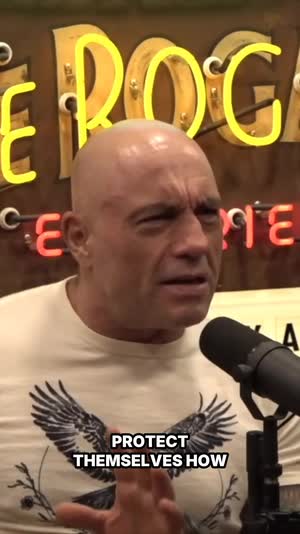
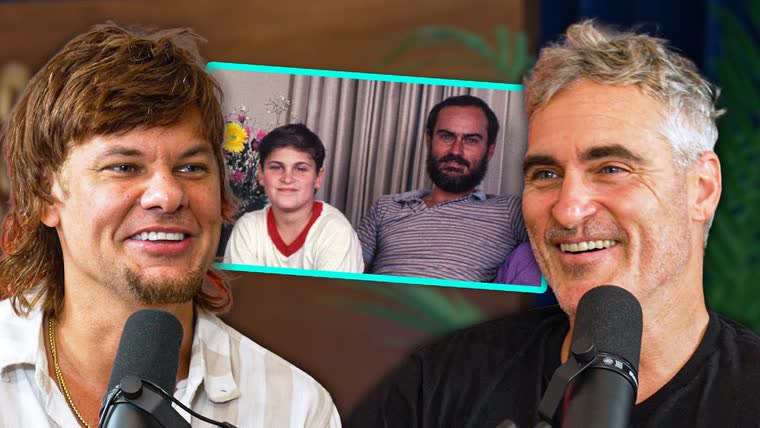
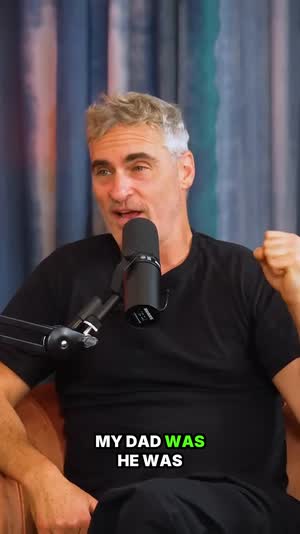
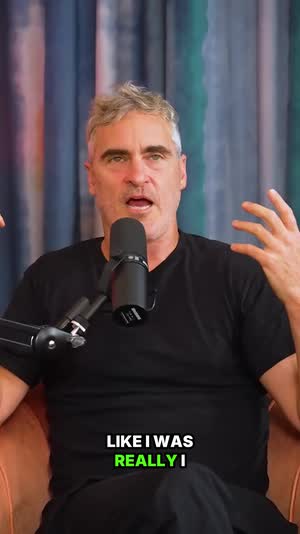
Real ClipSpeedAI output — every clip below was scored, cut, reframed to 9:16 and captioned automatically from the video above it.
Drop in any YouTube URL — a podcast episode, a tutorial, a VOD, a stream replay — or upload a file straight from your machine. Nothing is downloaded to your computer and there is no project to set up. Every plan takes videos up to two hours, the three-day $1 trial included, with a two-minute floor.
2
The AI reads the whole runtime
Instead of you scrubbing an hour looking for the good part, the model listens to the entire video and marks the segments most likely to hold a viewer: the sharp answer, the reveal, the laugh, the number that lands. It cuts a clip around each one on sentence boundaries, so a Short never opens or closes mid-word.
3
Post the ones that scored highest
Every Short comes back vertical, captioned, and graded 0-100. Sort by score, download the winners, or push them straight to TikTok, Reels and Shorts on a schedule. The grade is the point — it tells you which three of the fifteen are worth your posting slot this week.
What the Shorts maker actually does
Not a trim tool with an AI badge. Each of these replaces a job you would otherwise do by hand.
🎯
Finds the moments for you
The part that eats an evening is not cutting, it is deciding which forty seconds. The model evaluates the full transcript and the audio for the segments that actually hold attention, then builds a clip around each. You review a shortlist instead of a timeline.
📊
A viral score on every Short
Each clip is graded 0-100 on how it opens, how it paces, and where its emotional peak sits. When fifteen Shorts come back, the score is what turns a pile of clips into a posting order — publish the 90s, sit on the 60s.
🔤
Word-by-word animated captions
Most Shorts are watched on mute, so captions decide whether anyone stays. Words highlight in time with the speech in eleven styles, burned into the video itself — no sidecar file to upload, and nothing to re-sync after you trim.
🖼
Face-tracked 9:16 reframe
YouTube is 16:9 and Shorts are 9:16, so something has to be cropped away. Face tracking follows whoever is speaking rather than locking to the middle of the frame, which is why two-person interviews stay watchable instead of turning into a shot of the gap between them.
🗂
Layouts that match the footage
A debate wants split-screen, gameplay wants the webcam picture-in-picture over the game, a four-person podcast wants a grid. The layout is chosen from what is actually on screen, so a solo tutorial does not get forced into a split it does not need.
✂️
Filler and silence removed
Ums, false starts and dead air are cut automatically. On a forty-five-second Short that is often five or six seconds recovered — the difference between a clip that feels tight and one a viewer swipes past at second three.
🔴
Clips your live stream as it happens
This is the one most Shorts makers cannot do. Connect a YouTube, Twitch or Kick channel and clips are cut while you are still live, so the moment is postable before the stream ends and while people are still searching for it.
📅
Schedule straight to the platforms
Connect YouTube, TikTok and Instagram and queue a week of Shorts in one sitting. One long upload becomes a filled calendar, which matters more for channel growth than any single clip does.
🤖
Works from Claude, or your own code
ClipSpeedAI runs as an MCP connector, so you can ask Claude to clip a video and get finished Shorts back in the conversation. There is a developer API behind the same engine if you would rather wire it into your own pipeline. See the API docs.
Who this is for
🎙 Podcasters
One episode reliably contains five to fifteen postable Shorts. Clipping them by hand is why most podcasts post none. See the podcast clip generator.
🎮 Streamers and gamers
Long VODs, a handful of memorable moments. Picture-in-picture keeps your reaction over the gameplay, and live mode cuts the moment while chat is still talking about it.
📚 Educators and coaches
The one clear ninety-second explanation buried in a long lecture is the clip people search for. The AI surfaces the self-contained answers rather than arbitrary time slices.
💼 Founders and marketers
Webinars, demos and conference talks already contain your best pitch. Shorts turn a single recording into weeks of top-of-funnel without booking another shoot.
🎬 Faceless and clip channels
Volume is the whole model. Scoring matters more here than anywhere else, because it decides what earns a slot when you are posting several times a day.
⛪ Churches and nonprofits
A sermon or a talk holds several moments that travel well on their own. Captions do most of the work, since almost all of that viewing happens on mute.
Why Shorts are the cheapest growth a channel has
A long upload is discovered mostly by people who already know you. A Short is discovered by people who do not — it is pushed into a feed on its own merits, and the cost of one more attempt is close to zero. That asymmetry is why channels that post Shorts daily grow faster than channels that publish one excellent long video a week, even when the long video is better.
The blocker was never the idea, it was the labour. Getting fifteen Shorts out of one podcast means finding fifteen moments, cutting fifteen clips, reframing each to vertical, captioning each, and exporting each. Most people try it twice and quietly stop. Removing that work is the entire point of an AI Shorts maker: not to make a clip you could not have made, but to make the forty you would never have sat down to make.
The score matters for the same reason. Once producing clips is cheap, the scarce resource becomes your posting slots and your judgement about what fills them. A grade on each clip converts a pile of output into a decision.
What separates a good Short from an auto-cut one
The obvious failure is a clip that starts mid-sentence. It reads as broken in the first half-second, and the viewer is gone before the content matters. ClipSpeedAI cuts along sentence boundaries — the clip opens on the start of a thought and ends on the end of one, which is why its Shorts do not have the clipped-off feeling that gives cheap automation away.
The second failure is framing. Cropping 16:9 to 9:16 throws away most of the width, and a fixed centre crop will happily centre on empty space between two people. Following the active speaker is what keeps an interview legible vertically.
The third is captions that are close but not synced. Word-by-word timing, burned in, is the version that actually holds a muted viewer — a caption that lags the audio by half a second is more distracting than none.
The opening beat of a Short is a separate edit from the rest of it
A viewer on a Shorts feed has committed to nothing, so the opening is not an introduction — it is an audition, and it is judged before the first sentence has finished arriving. What loses people at that point is almost never the subject matter. It is the run-up: a greeting, a name, an "so, anyway", a channel sting, or a sentence whose actual subject does not turn up until the ninth word. Whatever the most concrete noun in the moment is, the clip should begin as close to it as the grammar allows.
The second thing that empties a Short at the start is a dead frame. A wide shot with a small distant face, a title card, or a beat of room tone before anyone speaks all hand the viewer an empty screen at exactly the instant they are deciding. This is worth checking specifically, because leading silence also delays the captions: word-by-word text keys off the first spoken word, so a clip that opens on half a second of nothing shows a blank frame during the only half second that was ever going to matter. Automatic silence trimming pulls most of that out, and it is the reason a tightened clip so often outperforms the same moment cut loosely.
There is a check that takes ten seconds and catches nearly all of this. Pause your Short on its very first frame and read only what is on screen. If that frame plus its caption does not tell you what the clip is about, the opening is spending your one free second on nothing, and you should move the in-point forward to the next complete sentence rather than trying to rescue it with a title.
Four mistakes that quietly sink Shorts cut from long video
Posting all fifteen clips the day they finish is the most common and the most expensive. Fifteen Shorts published in one afternoon compete against each other for the same viewers, exhaust a month of material in a few hours, and teach you nothing, because when everything ships at once you cannot tell which clip earned the result. Send them to the scheduler and space them out instead — the same fifteen clips spread over a fortnight keep the channel active on the many days you are not recording.
Letting a clip open mid-sentence is the loudest possible tell, and the usual way it sneaks back in is by hand. The cutter works on sentence boundaries, but people then drag the in-point a second later to make a clip feel snappier and shave off the first syllable doing it. A half-word at the head of a Short reads as broken rather than fast. If you are going to trim manually, trim to the front of a word and keep the small breath before it, because that breath is what makes the first word land as speech instead of a splice.
Burning captions that lag the audio is the mistake that survives review, because it looks fine while you are reading along to sound you already know. It usually comes from captioning outside the clip — a subtitle file timed against the original recording, then applied to a version that was re-trimmed or re-encoded, so every word sits a fraction late for the whole runtime. Captions burned in word-by-word cannot drift out of sync because they are part of the picture, and the rule that follows is simple: when you re-cut a clip, re-render it rather than sliding a text track to match.
Cropping a two-person interview down the middle is the framing error people notice last and viewers notice first. Take a 16:9 two-shot, crop it to 9:16 on the centre, and the vertical frame lands on the gap between the speakers with half a face at each edge. Either follow the person talking or put them in a split-screen layout — and when you review, skip to the part where they interrupt each other, because a talkover is where any speaker-tracking system has to make a judgement call and therefore where a bad one shows.
None of these need a long review pass. Watch the first second, jump to the middle, watch the last two seconds, and read one caption line against the audio. That is under a minute per clip, and it is the difference between output that passes for edited and output that everyone can identify as automated at a glance.
Troubleshooting a batch of Shorts that came back wrong
Four Shorts arriving where you expected fifteen is the report we hear most, and the source is nearly always responsible rather than the run. Selection returns what clears the bar instead of padding to a number, so a stream heavy on logistics, chat reading and dead air simply offers fewer self-contained moments to choose between. Before assuming a fault, scrub the middle third of your own recording and count the answers that would still make sense to a stranger who joined at that second. That count usually lands within one or two of what came back.
A Short whose captions sit a fraction behind the voice almost never originates in the caption pass, because the words are drawn from per-word timestamps in the same run that cuts the clip and are rendered into the picture. What produces the lag is a second edit after that point — a clip re-trimmed in another app, or re-encoded at a different frame rate and then re-uploaded. Re-render from the clip page instead of patching the exported file and the drift leaves with it.
Framing that settles on nobody is a layout symptom, not a tracking one. A single-subject layout handed a two-way exchange has one box and two people to fit into it, so it compromises and lands between them. Switch that clip to split-screen and re-render before concluding the tracker missed. A different symptom entirely is a frame that drifts on someone who is barely moving, and that one is worth reporting rather than working around, because a locked shot should stay locked.
A job still running long after a similar one finished fast is usually queue depth rather than a stuck worker. Runtime, how many clips cleared the bar, and how many jobs sit in front of yours all move the finish time, and none of them need your tab left open. The genuine failure to rule out is a source that never became a job at all: length is checked against your plan cap at submission, so an over-long video is turned away before anything appears in the library — which looks identical to a silent breakage and is not one.
Posting cadence, and how to choose which Short goes out first
The cadence that works for Shorts is regular and unspectacular: something most days beats a burst once a week, and it beats it for a structural reason rather than an algorithmic superstition. Every Short is tested on its own merits with a fresh sample of viewers, so posting daily buys you a series of independent attempts, while posting seven at once buys you one crowded attempt. A single podcast episode that yields ten to twenty clips is therefore not a big posting day, it is roughly two weeks of supply, and treating it that way is most of what separates channels that sustain Shorts from channels that try them.
Within that queue, treat the 0-100 grade as an ordering instrument and not a prediction. Its job is to answer the question you genuinely cannot answer yourself after a long recording — which of these fifteen deserves attention first — and it is dependable at ranking clips from the same source against each other even where the absolute number means less. Lead with the highest-scoring clip, because the first one out is also the one you will actually watch the comments on and re-title if it underperforms, and keep clips built from the same moment in different weeks so they are not bidding for the same viewers.
Override the score deliberately, in the cases where you know something it does not. It grades a clip in isolation: it cannot know that your audience already saw that story, that the guest is the reason anyone clicked, that the topic is only relevant this week, or that you are deliberately testing a format that looks weak on paper. When your instinct and the grade disagree about your best clip, the productive move is to post both a week apart rather than argue with the number, since one of them will settle it with real data. More on how the grade is built is in the viral score checker.
After two or three weeks, close the loop. Line up what you published against the swipe-away rate YouTube Studio reports for each Short, and compare that ordering with the scores those clips were given. You are not looking for agreement — you are looking for the direction and size of the gap, which is usually that quieter, information-dense clips do better with your particular audience than a generic grade expects. That calibration is the part that compounds, and after a couple of rounds you will be reading the score the way an experienced editor reads a rough cut: as a strong opinion worth taking seriously and occasionally ignoring.
When a long video is not the right source for Shorts
Some moments cannot be extracted no matter how well they are cut, and knowing them saves you from blaming the tool. A line that depends on something established twenty minutes earlier — "and that is exactly the problem with the second approach" — is excellent inside the episode and meaningless standing alone. So is the payoff of a story whose value was the setup, and so is a screen-share walkthrough where the thing being demonstrated is legible on a monitor and illegible on a phone. Selection filters many of these out, which is part of why a shortlist comes back shorter than the number of clips the runtime could technically support.
Whole videos can be the wrong source too. Footage with little or no speech gives selection nothing to work from, because the choice is made from what is said rather than from motion or scene changes; a wordless montage returns arbitrary windows, and arbitrary windows are not Shorts. Recordings that are already brief and tightly edited are the other case — when the source is barely longer than the clip you want, there is no real selection problem left to solve, and you are better served trimming it yourself and using this for the reframe and the captions.
The category worth being most careful about is the argument that only works cumulatively. A lecture, a case study, or a technical explanation that spends fifteen minutes earning its conclusion will produce a Short containing the conclusion and none of the earning. That clip is not merely weak, it actively misrepresents you, because it presents a claim in the register of a soundbite when its whole credibility came from the evidence you cut away. For that material the right Short is the sharpest question the video answers, or one self-contained sub-argument, posted as a reason to go and watch the long video rather than as a substitute for it.
What the machine decides, and what still has to be done by hand
The division of labour is sharper than the marketing on either side of it admits. Software is good at exhaustive comparison: reading every sentence of a three-hour VOD, weighing candidate segments against one another, and being exactly as attentive at minute 140 as at minute four. People are good at the context a transcript does not contain — that the guest is the reason anyone clicked, that this story already went out in June, that a flat-sounding answer is the one your comments have been asking for. Give away the comparison, keep the context.
Cost is where the two diverge, and not in the way a stopwatch suggests. One Short cut by hand runs fifteen to thirty minutes end to end once you include hunting for the moment, reframing, captioning and exporting, which is perfectly tolerable. What is not tolerable is that the figure never falls: a 45-minute episode holding ten postable moments becomes a five-hour job, and what actually happens is that it becomes two Shorts instead of ten. Published count, not minutes per clip, is the honest comparison.
One thing manual editing does that no selection pass can, and it is worth protecting rather than automating away. An editor can build a clip that does not exist anywhere in the source: intercutting two answers recorded forty minutes apart, holding a listener reaction over a punchline, dropping in a title card that supplies the setup the moment is missing. Nothing here assembles across the timeline like that. Every Short is one continuous run of your own footage with the slack taken out, so when a moment needs constructing rather than extracting, that is the point to open an editor.
Most channels that keep this up settle on two tracks rather than choosing a side. The flagship piece each week gets a person and the hours it deserves. The ten supporting Shorts, the stream moments and the back catalogue go through the engine and get a minute of review apiece. The reason this holds is that viewers already judge the two differently — nobody expects a clip pulled from an interview to be motion-designed, they expect it to open on a real sentence and stay legible on a phone.
Alternatives to an AI Shorts maker, and the job each one is really for
YouTube itself will cut a Short from one of your uploads, and for a single moment you already remember that is the shortest path there is: pick the source, trim, add text, publish. What it will not do is read a two-hour upload and tell you where the moments are, and it only works on videos already on your own channel. Reach for it when the problem is publishing one clip rather than finding ten.
A general editor is the right alternative whenever the clip needs building rather than choosing. Everything on this page can be done by hand in CapCut, Premiere, Resolve or Final Cut, along with a great deal that cannot be automated at all. The trade is your evening — and the decision about which forty seconds to use is still entirely yours before you even open the file.
A freelance clipper or an agency is what people reach for when volume is the problem and they would rather not touch it. That buys taste, which is real, and it buys nothing else: you pay per clip, you wait on turnaround, and a stream moment that lands back with you tomorrow afternoon has already expired. Teams who keep a clipper generally keep them for the pieces that carry the brand and route the remainder through software.
Other automated tools converge on a near-identical feature list, so the comparison table is the least useful way to pick between them. Run the same 45-minute recording through two and check three things instead: whether the openings sound like a person chose them, whether a two-person shot stays on whoever is speaking, and whether the tool can touch a live broadcast at all or only finished uploads. Those three separate the category far better than anything either site says about itself.
The last alternative is not converting at all, and it deserves a moment. If your channel grows through long-form search and people arrive already looking for what you make, a Shorts habit can bring in a shallower audience that never watches the thing itself. That is a real trade rather than a rhetorical one, and it is easier to make deliberately at the start than to unpick after you have built a fortnight of queue around it.
What running this engine on YouTube sources actually taught us
Observations from operating the pipeline in production — not general advice.
The end of a Short is the boundary that fails first
Ask which edge of an automatically cut clip goes wrong more often and the intuition says the opening, but in practice it is the ending. A viewer forgives a clip that starts a beat early; a clip that stops halfway through its final clause reads as a file that failed rather than an edit that finished. That is why duration is the flexible variable here — the cut is planned to land on the end of a complete thought and the length moves to reach it, instead of a fixed window being dropped over a moment and whatever falls inside it being kept. Two cases still have no clean answer and we would rather say so than pretend otherwise: a single thought that runs longer than the maximum clip length, and a stretch with no speech in it, where there is no sentence to end on at all.
A transcript with no punctuation silently disables sentence-aware cutting
Caption tracks published alongside YouTube videos frequently arrive with no terminal punctuation in them at all, and a boundary rule that hunts for a full stop finds nothing to work with. The failure is quiet rather than loud, which is what makes it expensive: nothing errors, the feature reports itself as enabled, and the cutter falls back to slicing on a timer — producing exactly the mid-sentence opening it existed to prevent. The reason our boundaries survive that case is that sentence structure is derived from our own per-word timestamped transcript rather than from whatever caption file the platform happens to expose, and it is also why a video with no captions published on it is no harder for us than one that has them.
The 0-100 score ranks within one video far better than it compares across two
The grade is computed per clip, but the question it answers well is which of the ten to twenty clips out of a single recording should go out first. Across two different sources it travels less well, because the signals that carry a moment differ by material — a stand-up set and a technical lecture do not earn attention in the same way, so an identical 78 on each does not describe an identical clip. In practice the habit worth forming is to read the number as a rank inside one batch and never as a global threshold. A rule like "publish everything above 80" will fill a fortnight from a dense podcast and hand back an empty queue from a quiet tutorial recorded the same week.
Leading silence costs a Short twice over
Half a second of room tone before the first word looks harmless on a timeline and is not, because it is charged to the clip twice. It spends the opening moment on an empty frame, and word-by-word captions key off the first spoken word, so the text has nothing to display during precisely the interval that decides whether anyone stays. Stripping that lead is a larger part of why a tightened clip outperforms the same moment cut loosely than the seconds saved would suggest, and it is the one edit where trimming by hand most often makes things worse — drag the in-point past the small breath before the first word and the word lands as a splice instead of as speech.
Compared with the alternatives
vs. editing them yourself
Manually, a single Short is fifteen to thirty minutes once you include finding the moment, reframing and captioning. Fifteen Shorts is most of a working day. The realistic comparison is not speed per clip — it is that the manual version means you post two Shorts, not fifteen.
vs. hiring an editor
An editor is the right call for a flagship video. For volume short-form it is the wrong shape of cost: you pay per clip, you wait on turnaround, and a stream moment is stale by the time it comes back. Use both — the AI for volume, a human for the pieces that carry your brand.
vs. a traditional editor like Premiere or CapCut
Those tools can do everything this does and more, given enough hours. They will not tell you which forty seconds of a two-hour podcast to use, and that decision is the actual bottleneck. This is a different job, not a cheaper version of the same one.
vs. other AI clipping tools
Most cover the same ground for uploaded video. Two things here are unusual: clips are cut from a live stream in real time rather than after the VOD lands, and the whole engine is reachable from Claude via MCP or from your own code. If you only ever clip finished uploads, judge on cut quality — so try it on your own video.
Frequently asked questions
How do I make YouTube Shorts from a long video?
Paste the YouTube URL into the box at the top of this page, or upload the file. The AI reviews the full runtime, selects the strongest moments, cuts each to 9:16 vertical, adds animated captions, and returns each Short with a 0-100 score. You download or schedule the ones you want. There is no timeline to touch.
What does the YouTube Shorts maker cost?
Full access starts with a 3-day trial for $1, which is how you judge the output on your own content before committing to anything larger. You can cancel in one click, and we email you before the trial converts — no silent charge.
How many Shorts do I get from one video?
It depends on the source, because we return the moments that are actually worth posting rather than padding to a number. A tight twenty-minute talk might yield three or four. An hour-long podcast commonly produces ten to twenty. A long stream VOD can produce more.
Do the Shorts have a watermark?
No. Every plan exports clean, with no ClipSpeedAI badge, and clips made during the $1 trial come back exactly as clean. You can also add your own logo with the Brand Kit if you want your channel mark on every Short.
Can I use a YouTube URL, or do I have to upload the file?
A URL is enough and is the faster path — nothing downloads to your machine. Uploading a file works too, which is what you want for footage that was never published to YouTube.
How long can the source video be?
Every plan accepts videos up to two hours per upload, the $1 trial on the same terms, and two minutes is the floor. For anything longer, split it or connect the channel and use live clipping.
Does it add captions automatically?
Yes, and they are burned into the video rather than delivered as a separate file, so they survive re-uploading anywhere. Captions are word-by-word and synced to the speech, in eleven styles you can switch between.
What is the viral score and should I trust it?
It is a 0-100 grade based on how the clip opens, how it paces and where its emotional peak falls. Treat it as a sorting tool, not a prophecy: it is reliable for ranking fifteen clips against each other, which is the decision you actually have to make.
Will it reframe a two-person interview properly?
Yes. Face tracking follows whoever is speaking, and for two-person footage the split-screen layout is usually selected so both people stay on screen. A fixed centre crop would frame the gap between them, which is the classic failure of naive vertical conversion.
Can it clip a YouTube live stream while I am streaming?
Yes, and this is the feature most alternatives do not have. Connect your channel and clips are produced during the broadcast, so a moment can be posted while it is still being talked about instead of hours later.
Does it work for gaming footage?
Yes. Gameplay is detected and the picture-in-picture layout keeps your webcam over the action, which is what makes a gaming Short readable vertically.
Can I edit a clip after the AI makes it?
Yes. You can adjust the in and out points, change the caption style, edit the title, switch layout, and re-render. The AI output is a starting point, not a locked file.
What aspect ratios can it export?
9:16 vertical for Shorts, TikTok and Reels; 1:1 square for feeds; and 16:9 if you want a landscape cut. Vertical is the default because that is what Shorts requires.
Can I post directly to YouTube from ClipSpeedAI?
Yes. Connect your YouTube, TikTok and Instagram accounts and publish immediately or schedule ahead with the built-in calendar, so one clipping session fills a week of posts.
Does it remove filler words and silences?
Automatically, on every clip. Ums, false starts and dead air are cut, which typically recovers several seconds on a forty-five-second Short and makes the pacing noticeably tighter.
What languages does it support?
Transcription and captions work across major languages. Support is strongest for English; quality varies by language and by audio conditions, so if you work in a specific language the honest advice is to run one video through the $1 trial and judge it directly.
Can I add my own branding?
Yes. The Brand Kit holds your fonts, colours and logo, and applies them across clips so everything you post looks like it came from the same channel.
How long does processing take?
Typically a few minutes for a normal-length video, varying with runtime and queue. You do not have to sit and watch — you can close the tab and the clips are waiting when you return.
Can I automate Shorts for a whole channel through the API?
Yes, and for a channel the useful shape is a cron rather than a person. POST the video URL to the generate endpoint and catch the completion webhook rather than polling, and finished Shorts arrive in your library with nobody opening a tab. The same call carries aspect_ratio, which defaults to 9:16, and caption_style, so an entire back catalogue comes out in one consistent look instead of a style decision per clip. Credits meter on the source at one per minute of runtime, which makes a shelf of forty-minute uploads straightforward to budget before you start. Endpoints and authentication live in the developer docs, and the same engine answers to Claude through the MCP connector if you would rather clip a one-off episode by asking for it than by writing a job.
Can I make Shorts from a podcast that is audio only?
The engine is built for video. For an audio-only episode you would need a video version — many podcasts publish one to YouTube, and that URL works fine here.
Does it work on mobile?
Yes. Pasting a URL and reviewing clips both work on a phone, which matters if you want to clip something the moment you see it rather than waiting until you are at a desk.
What happens to my video after processing?
It is processed to produce your clips and is not published anywhere by us. Your clips are yours. See the privacy policy for how data is handled.
Can I clip someone else's YouTube video?
Technically the tool accepts any URL. What you are permitted to publish is governed by copyright and by the platform you post to, and that judgement is yours to make.
How is this different from CapCut or Premiere?
Those are editors: they will execute any cut you decide on. This decides which cuts to make. If you already know your fifteen moments, an editor is fine. Finding them in two hours of footage is the part being automated here.
What if the clips are not good?
Run the $1 trial on a video you know well before committing to a month — that is exactly what a dollar is for. You will know within one video whether the moment selection matches your judgement, which is the only test that matters.
Can I cancel the trial?
Yes, in one click from your account, and we email you before it converts. Cancelling keeps your access until the end of the period you paid for and stops any future billing.
Paste a link and watch where the first Short starts
A Short is decided in its first second, so that is the second to inspect. Look at where each clip begins — whether it opens on the first word of a real sentence or on a run-up, and whether the caption is already on screen while that word is being said.