HomeAI Video ToolsTwitch Clip Generator
Twitch Clip Generator

Clips from your Twitch stream while you are still live

Connect a channel and clips get cut during the broadcast, not hours after it ends. Or paste a VOD link and let the AI read a six-hour session for you. Either way the output is vertical, captioned word by word, scored 0-100, and ready for TikTok before the moment has cooled off.

🎬 Free demo: use a video under 30 minutes · paid plans up to 2 hours
  • Cuts clips during the live broadcast
  • Or reads a full VOD end to end
  • Vertical 9:16 with speaker tracking
  • Webcam picture-in-picture over gameplay
  • No 60-second cap
One long video in, a week of posts out

Paste a link. Get the best moments.

Real ClipSpeedAI output — every clip below was scored, cut, reframed to 9:16 and captioned automatically from the video above it.

https://youtu.be/z_bX3runikk
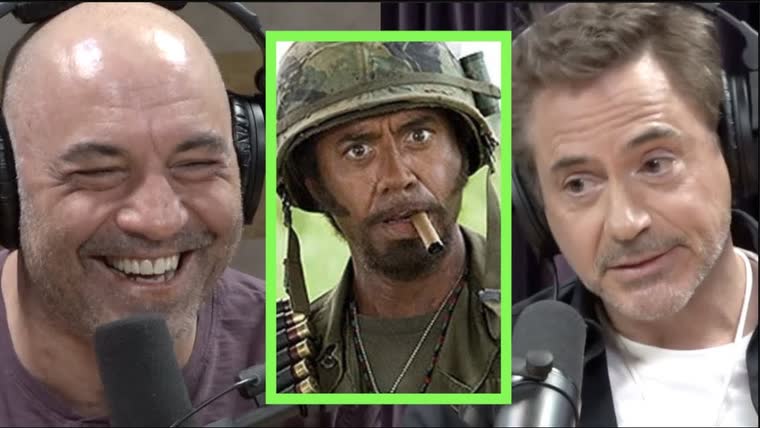
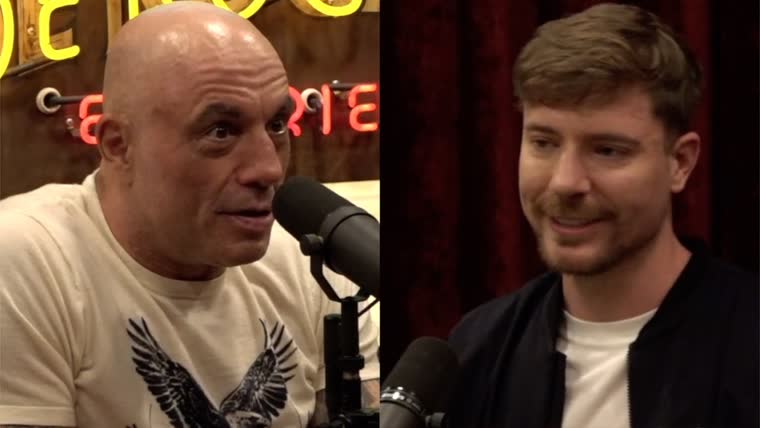
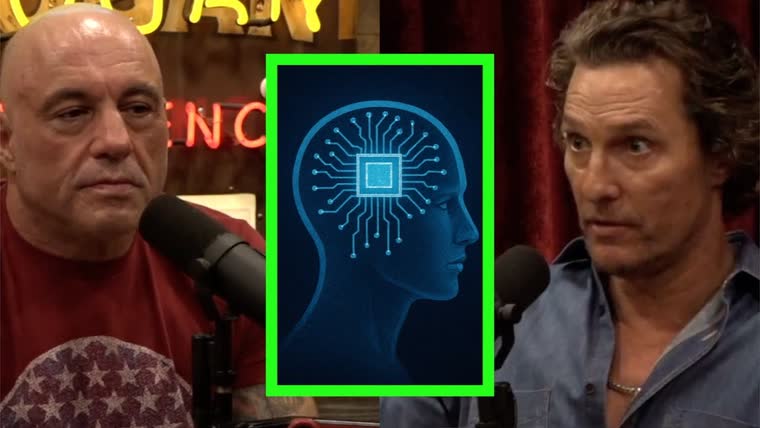
Source video: Matthew McConaughey's Concerns Over AI Source video 15:27
Matthew McConaughey's Concerns Over AI
9 clips found  ↓  top 5
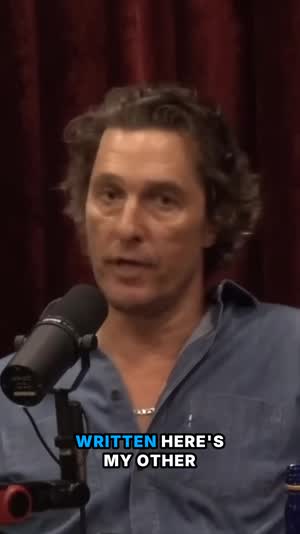
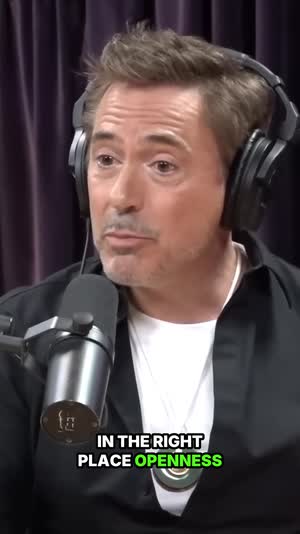
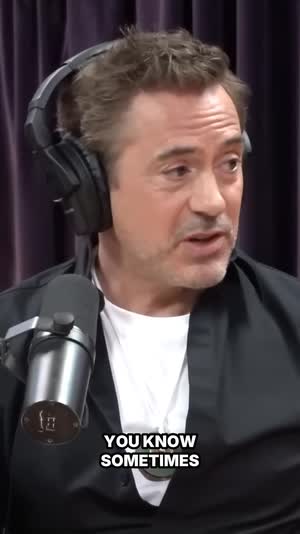
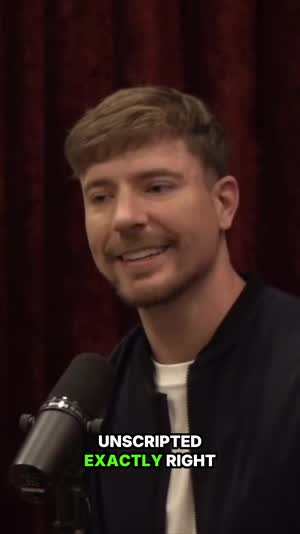
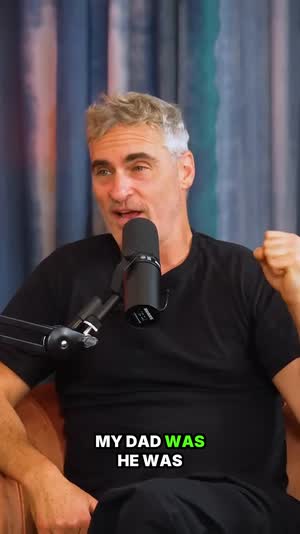
Matthew McConaughey speaking, captioned vertical clip
Score 92
9:16
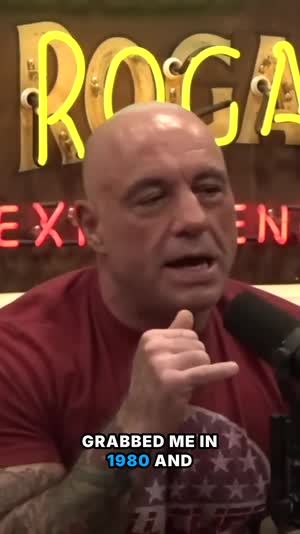
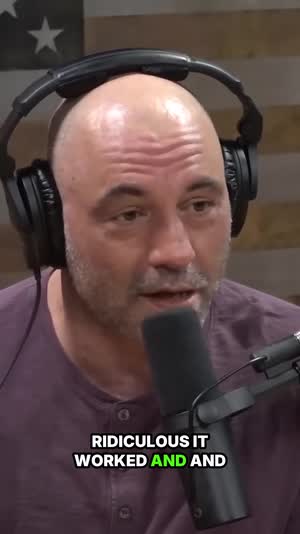
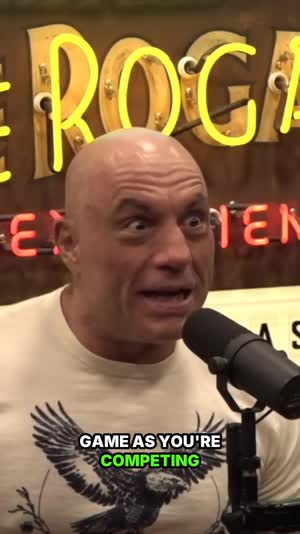
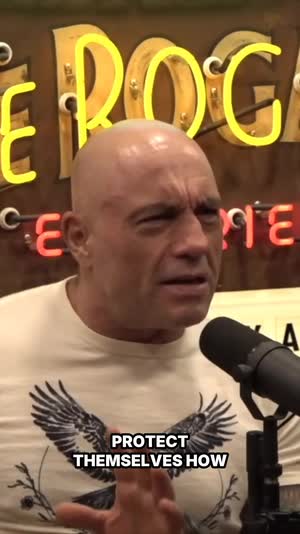
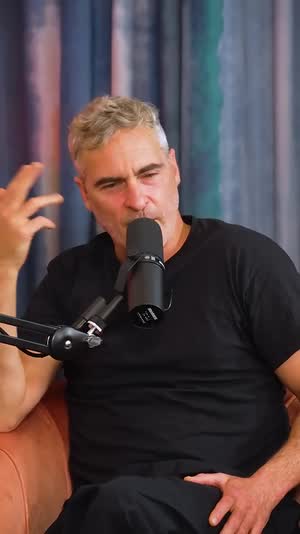
Joe Rogan gesturing, captioned vertical clip
Score 90
9:16
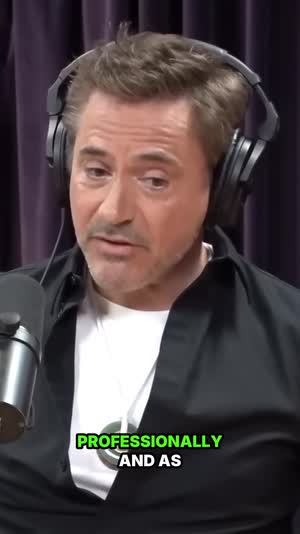
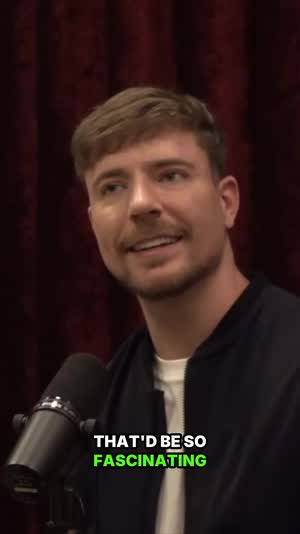
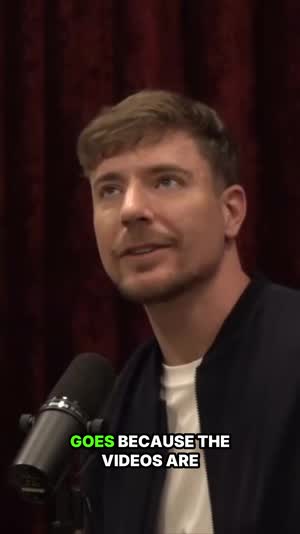
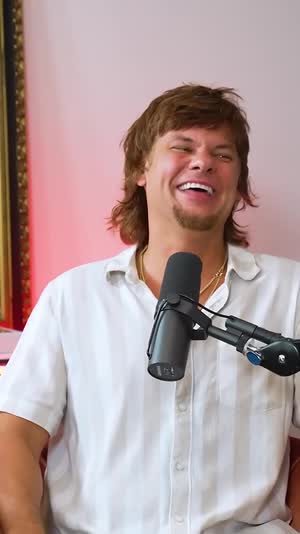
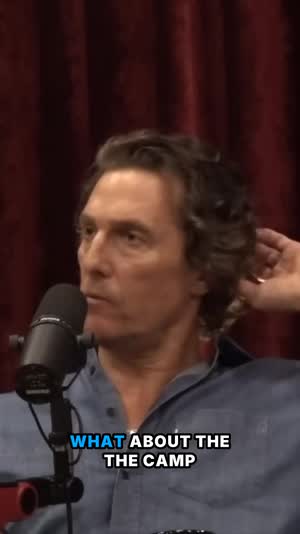
Matthew McConaughey listening, captioned vertical clip
Score 89
9:16
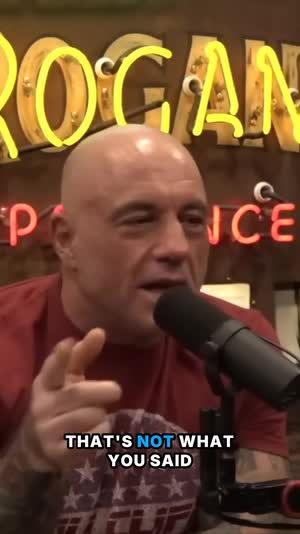
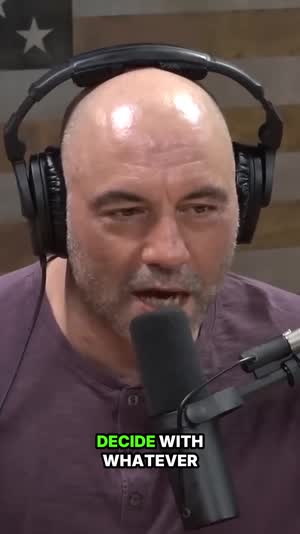
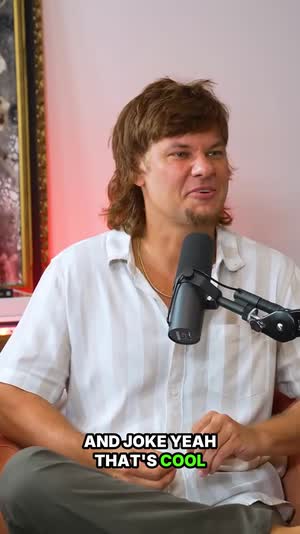
Joe Rogan mid-sentence, captioned vertical clip
Score 89
9:16
Matthew McConaughey talking to camera, captioned vertical clip
Score 88
9:16

How to auto-clip a Twitch stream

Two routes in — pick the one that matches when you want the clips.

  1. 1

    Point it at the channel, or at the VOD

    For live mode, give it your Twitch channel and start the session before or during a broadcast. For anything already finished, paste the VOD URL or upload a local recording from OBS. Live mode is the one worth setting up first, because it removes the step where you promise yourself you will go back through the VOD tomorrow.

  2. 2

    It listens for the moments while the stream runs

    The model works from the broadcast audio and speech as it arrives, marking the reactions, the punchlines, the sudden change in energy. Each candidate is cut on sentence boundaries so it opens on a whole thought instead of fading up mid-word, which is the tell that gives most auto-clippers away instantly.

  3. 3

    Clips arrive vertical, captioned and scored

    Every clip comes back reframed to 9:16 with your webcam kept over the gameplay where that is the right layout, captions burned in and synced to the words, filler and dead air stripped, and a 0-100 grade attached. Nothing needs a second pass in an editor before it can go out.

  4. 4

    Post while chat is still talking about it

    Download the best ones or send them to TikTok, Reels and Shorts on a schedule. The reason live mode exists is that a clip posted during the stream can pull people into the stream, and one posted the next afternoon can only pull them into a VOD.

What it does that the Twitch clip button does not

Twitch's own clipping is a good panic button. It is not a content pipeline.

Real-time clipping of a running stream

This is the part almost nothing else does. Most tools wait for a finished file; here the clips are produced while the broadcast is still going, so the moment reaches a feed on the same day it happened rather than whenever you next sit down with the VOD.

No sixty-second ceiling

Twitch clips stop at a minute, which is fine for a highlight and wrong for a story that needs ninety seconds to pay off. Clip length here follows the shape of the moment, ending where the thought ends rather than where a timer runs out.

Vertical output, not a widescreen file you still have to crop

A native Twitch clip is 16:9 and lives on Twitch. What TikTok wants is a 9:16 file with captions on it. Reframing happens here as part of the cut, with the crop following the speaker instead of parking on the centre of a wide scene.

Webcam kept over the gameplay

The picture-in-picture layout puts your facecam above or over the game so the reaction and the play are both visible in a vertical frame. Losing the facecam is what makes most auto-cropped gaming clips unwatchable — see the gaming clip generator for how the layouts are picked.

Word-by-word captions burned in

Stream audio is messy — game sound, alerts, a mic that clipped when you shouted. Captions carry the clip through all of that, and through the fact that most people scroll with the sound off. Eleven styles, all synced to individual words rather than to blocks of text.

A 0-100 score across a whole session

A long stream can throw off thirty candidate clips, and thirty clips is not an answer. The score sorts them, so you post the five that actually earned it instead of flooding your account with everything the model found.

Dead air removed automatically

Streams are full of loading screens, queue time and half-finished sentences while you read a donation. Silences and filler are cut from each clip, which on stream footage recovers more than it does anywhere else because the source is so much looser.

Seven layouts, chosen from what is on screen

There are seven to choose between: plain fill and fit for a single source, split and the two grid options when more than one person is on camera, a screenshare treatment for desktop capture, and picture-in-picture for gameplay with a webcam attached. A Just Chatting segment does not need what a co-streamed match needs.

Straight into a posting schedule

Connect TikTok, Instagram and YouTube and queue clips out over the following days. Streamers who post daily and stream three times a week end up filling the off days from the sessions they already ran.

Drive it from Claude, or from your own bot

The MCP connector lets you say "clip that stream" in a conversation with Claude and get files back. There is also an API if you would rather have your own tooling start a live session when you go online — details in the developer docs.

Who this is built for

Variety and FPS streamers

Long sessions, a handful of genuinely clippable seconds. Live mode means those seconds do not depend on you remembering to hit the clip key.

Just Chatting and reaction channels

Almost all the signal is speech, which is the easiest case for moment detection. Split and fill layouts keep your face large in the vertical frame.

Competitive and esports channels

Clutch rounds and post-match reactions both matter, and they need different layouts. Picture-in-picture handles the first, speaker tracking the second.

Music and creative streams

A four-hour art or production stream contains a few minutes anyone would watch. Scoring is how you find them without rewatching your own session.

Streamers growing on TikTok

Short-form is where most new Twitch viewers now come from. The bottleneck was never ideas, it was turning a VOD into postable vertical files.

Clip editors and community managers

If you clip someone else's channel for them, the API and MCP connector make the job schedulable instead of manual.

Why clipping live is not just clipping faster

The obvious framing is that real-time clipping saves you the delay. That undersells it. A clip posted while you are still on air is an advertisement for a stream someone can actually go and watch right now, which makes it a fundamentally different asset from the same clip posted on Thursday morning. One converts to a live viewer, the other converts to a VOD view at best.

There is a second effect that streamers notice quickly. When clipping is automatic, the pressure to perform for the clip disappears. You stop half-narrating your own stream for a highlight reel and stop breaking flow to hit a hotkey, because the moment is being captured either way.

And there is the archive problem. Twitch does not keep VODs indefinitely for most channels — standard accounts lose them after a couple of weeks unless you export or sit on a plan that retains longer. Anything you did not clip in that window is simply gone. Live clipping means the good parts survive the VOD expiring, without you having to run a download-and-archive habit you will not maintain.

The VOD route, for when you want to work backwards

Not everything needs to happen live. Plenty of streamers would rather review a session properly, and there is a large back catalogue sitting on most channels that has never produced a single short-form post.

For that, paste the VOD link or upload the local recording. Paid plans accept up to two hours per submission, so a six-hour marathon is submitted as a few chunks — cut it at natural breaks like a game change or a break screen and the results hold up fine. The free demo is limited to thirty minutes, which is enough to test the cut quality on a segment you already know is good.

What comes back from a VOD is the same shortlist you would get live: complete moments, vertically framed, captioned, ranked. The difference is only when they arrive, and whether the stream they point at is still running.

Where streamers go wrong with automatic clipping

The most common error is treating the output as a queue to be emptied. If a session produces twenty-five candidates and you post all twenty-five, the weak ones drag the strong ones down and your account reads as a firehose. The score exists so you can take five and delete the rest without guilt.

The second is leaving the facecam out of the frame. It usually happens because someone forced a fill layout onto gameplay footage to get a bigger view of the game. The game is not the differentiator; you are. If a stranger cannot see a person in the clip, they have no reason to follow the channel rather than search the game.

The third is posting a clip that assumes your regulars. In-jokes, running bits and names your community knows are exactly the clips that feel best to you and land worst on a cold audience. Test it by asking whether the clip still works for someone who has never watched you.

And the fourth is scene design that fights the crop. Overlays hugging the left and right edges, a chat box in a side panel, alerts crossing the full width — all of that gets cut when the frame narrows. Worth a look at your layout if you plan to clip heavily.

A stream-day routine that keeps clips shipping

Start the live session before you go on and forget about it. That single habit is what separates streamers who post daily from streamers who mean to. Nothing else in the routine requires you to notice anything during the broadcast.

Immediately after you end, spend five minutes on the shortlist while the session is still fresh in your head — you will recognise the best moments faster than any ranking can tell you. Post one that night while your community is still around, and schedule two or three across the following days so the off-days are covered.

Once a month, feed an older VOD in and mine the back catalogue. Nobody scrolling TikTok knows or cares when a clip was recorded, and channels with a year of unclipped streams are sitting on more content than they will produce in the next quarter.

Troubleshooting a Twitch session that came back with almost nothing

You started the session after the good part. Live capture runs forward from the point the session begins watching the channel, and it has no way to reach back into a broadcast that already happened. Everything before you armed it is a VOD job rather than a live one. If a stream looks like it will be worth clipping, start the session before you go on air rather than at the moment you notice something worth keeping.

The channel was not actually live. A session pointed at a channel that is between broadcasts, running a rerun or hosting somebody else will sit there producing nothing, and from the outside that is indistinguishable from a detector that has stopped working. Check the session status in the dashboard before anything else — it is the cheapest item on this list to rule out and, on a first attempt, the most common answer.

Your mic sat underneath the game. Placement leans on the loudest point in each captured window, so a voice mixed quietly beneath full-volume game audio ends up competing with the game for that peak. Play a minute of your own broadcast back with the mix in mind, because the imbalance that makes moments hard to detect is the same one that makes the finished clips tiring to watch on a phone.

An ad break landed inside a clip. Twitch stitches ads into the stream itself on some channels, and a capture copies through whatever occupied that second of the broadcast. Nothing downstream can identify it afterwards, because as far as the file is concerned the ad was the stream. Trim past it in the editor if the rest of the clip is worth saving; an ad sitting in the opening second usually is not recoverable.

The good moments were silent. A long grind with no commentary gives the detector very little, and a short list is the honest result rather than a padded one. This is the failure mode most within your own control, and the fix is not a setting anywhere in the app — it is narrating what you just did, in one sentence, at the moment you do it.

What it does not do, and when it is not the right tool

It does not read your chat. Some clipping tools trigger on message-rate spikes, and that is a legitimate signal, but it is also a noisy one — chat spikes for raids, for bits, for a copypasta that has nothing to do with what you said. Detection here works from the stream itself: what was said, how it was said, and where the audio energy moved.

It does not generate anything that was not in your broadcast. No generated B-roll, no synthetic narration, no invented visuals. Your stream, cut and reframed, is the entire output.

And it will not rescue a segment that had nothing in it. If a two-hour stream was quiet grinding with no commentary, the shortlist will be short, and that is the correct answer rather than a failure. A tool that returns twenty clips from a session with two good moments is wasting your posting slots.

What running the live pipeline on Twitch has taught us

Observations from operating the pipeline in production — not general advice.

Loudness carries the heaviest weight, so a silent clutch is the hard case

Where a clip sits inside a captured window is not decided by the transcript. Every candidate position is scored on how far the loudest point in it rises above the average level of that same window, and on how many scene changes fall inside it, with the audio component carrying the largest single weight at 0.40. The search steps across the capture a second at a time hunting for the best thirty seconds. On a Twitch broadcast the practical effect is that anything you reacted to out loud places accurately, while a play you made in silence has to be located from the cuts on screen alone, which is a much weaker handle to grab.

A prominent enough peak stops the search and cuts fifteen seconds

There is a shortcut in the picker that most people never realise has fired. When the audio peak inside a capture is prominent enough — the threshold sits at 55 on a 0-100 prominence measure — the composite search is skipped completely and the clip becomes a 15-second window beginning 3 seconds ahead of that peak. The reasoning is that at that level the peak is the entire moment, and wrapping thirty seconds around it only adds setup nobody asked for. On Twitch this fires most often on shouted reactions, which is why the clip from the loudest moment of the night frequently comes back noticeably shorter than the rest of the batch.

The predictive trigger will not arm on one signal, and that is the argument for talking

Alongside scoring windows that have already been captured, there is a trigger that tries to start a capture before a moment has finished playing out. It fires only when at least 2 independent signals each clear a score of 40 within the same 30-second window, and it then holds a 90-second cooldown on that stream. One hot signal by itself is usually one loud thing rather than a room reacting, which is the reason the bar sits where it does. On a Twitch broadcast the signals that can reach it are the audio, the rolling transcript of what you are saying, and bits or subscriptions arriving — and the last of those only exists once the broadcaster has linked the channel and granted read access to those events. Commentary is what most reliably supplies the second one.

Compared with the alternatives

vs. Twitch's built-in clip button

It is free, instant, and the right tool for grabbing something so you do not lose it. But it caps at sixty seconds, exports widescreen, has no captions, and requires that either you or a viewer was paying attention at the right second. It is a bookmark, not a publishing workflow.

vs. paying a clip editor

A good editor beats automation on any single clip, especially on comedic timing. The problem is throughput and lag: stream footage decays quickly, and a batch that arrives three days later has missed most of its value. Volume automatically, an editor for the montage or the channel trailer, is the split most streamers land on.

vs. cutting VODs in OBS or DaVinci

Manual editing gives you total control and costs an evening per stream. The specific job being replaced here is not the cutting — it is scrubbing six hours of your own footage trying to remember when the funny thing happened, which is the part nobody enjoys and nobody keeps doing.

vs. rival AI stream clippers

The common shape is: upload a finished VOD, wait, get clips. That works, and several tools do it well. Real-time clipping of a running broadcast is the genuine difference here, along with native support for Kick as well as Twitch and YouTube — see the Kick clip generator. Test it on one stream and judge the cuts.

Frequently asked questions

Can it really clip my Twitch stream while I am live?
Yes — that is the main reason the tool exists in this form. Connect the channel, start a live session, and clips are produced during the broadcast rather than waiting for the VOD. Most competing tools cannot do this at all, and it changes what a clip is worth, because you can post it while the stream is still running.
Do I have to hit a hotkey when something good happens?
No. Once a live session is running the detection happens on its own, so you can play or talk without watching for moments to mark. If you do want to force a clip at a specific point you can still use Twitch's own button and process that separately.
How do I connect my Twitch channel?
Give it your channel and start a live clipping session from the app. There is nothing to install on your streaming PC, no OBS plugin and no browser source to add, so it does not touch your scene setup or your encoder.
Can I clip an old Twitch VOD instead?
Yes. Paste the VOD link or upload a local recording. This is the route most people use for their back catalogue, since a channel that has been streaming for a year usually has dozens of unclipped sessions sitting there.
How much VOD can I submit at once?
Up to two hours per submission on a paid plan. A longer marathon should be split into chunks at natural break points; the cut quality does not suffer, you just process it in more than one go. The free demo accepts up to thirty minutes.
Is there a length limit on the clips themselves?
They are not forced to sixty seconds like a native Twitch clip. Length follows the moment — the cut ends when the thought or the play ends, which typically lands somewhere between about twenty seconds and a minute and a half.
Do Twitch clips come out vertical for TikTok?
Vertical 9:16 is the default, with 1:1 and 16:9 also available. The crop follows the active speaker rather than sitting on the middle of the frame, which matters on a stream layout where your facecam is usually in a corner rather than the centre.
What happens to my facecam in a vertical clip?
On gameplay footage the picture-in-picture layout keeps the webcam over the game so both are visible. Cropping to vertical without that treatment usually amputates the facecam entirely, and a gaming clip with no reaction in it is a much weaker clip.
Will my chat overlay or alerts end up in the clip?
Whatever is composited into your broadcast is part of the video, so overlays and alerts appear if they were on screen. Reframing to vertical crops width, which sometimes removes a side panel — worth a look at your scene layout if you plan to clip heavily.
My chat reacts harder than my mic does — what does that cost me?
A shorter shortlist than the night deserved. Detection reads the broadcast rather than the message rate, so a moment that lived entirely in chat leaves nothing behind for it to find. The workaround costs one sentence: say out loud what just happened. Narrating the moment puts it into the audio and into the transcript at once, which is what turns a chat-only reaction into something the detector can actually place.
Is the Twitch clip generator free?
There is a free demo covering anything under thirty minutes, so you can run a stream segment through before deciding anything. Full access is a one-dollar three-day trial and then twenty-nine dollars a month, cancellable in a single click, with an email warning before the trial converts.
Is there a watermark on demo clips from a stream?
Yes, a small one. Paid exports have no ClipSpeedAI branding at all. You can also load your own logo into the Brand Kit so clips carry your channel mark instead.
Do stream clips get captions without me doing anything?
Every clip gets word-by-word captions burned into the file, in whichever of the eleven styles you pick. This matters more for stream content than for most video, because the audio is often competing with game sound and the viewer is often muted.
What is the 0-100 score good for on a long stream?
It ranks clips against each other so a long session becomes a posting order rather than a folder of thirty files. Judging the opening, the pacing and the peak is something you would otherwise do by rewatching everything you just cut.
Can I re-cut a clip before it goes out?
Yes — adjust the in and out points, switch layout, change caption style, rename it and re-render. Streamers most often extend the front edge slightly to include the setup line before a reaction.
Does it work with Kick and YouTube too?
Yes, both, live as well as from recordings. If you multistream, the same account handles all three; the Kick clip generator page covers that platform specifically.
Can a clip reach TikTok while the stream is still running?
That is the point of live mode. Connect TikTok, Instagram and YouTube and either publish immediately or schedule, which means a clip can be up and pulling viewers toward a broadcast that has not ended yet.
Will the clips be gone when my VOD expires?
No. Once a clip has been generated it lives in your library independently of whether Twitch still has the source VOD, which is a real argument for clipping live rather than trusting a VOD to be there later.
Does it cut the dead air out of stream footage?
Automatically, on every clip. Stream footage benefits from this more than almost anything else, because the raw source contains loading screens, pauses while you read chat, and a lot of thinking out loud.
How soon after a moment does the clip appear?
In live mode, during the broadcast. For a VOD, typically a few minutes depending on runtime and queue. You are not required to sit and wait — the library fills in the background.
Do you offer synthetic narration or translated dubs?
No. We do not produce synthetic narration and we do not dub clips into other languages. Captions handle multiple languages, with English the strongest, but the audio you exported is the audio you recorded.
Can I clip another streamer's channel?
The tool accepts the URL. Whether you can publish that footage is a matter of copyright and the rules of whichever platform you post to, and that decision sits with you.
Is there an API I can trigger when I go live?
Yes, the same engine is exposed through a developer API, and there is an MCP connector so Claude can start a session or fetch clips conversationally. Some streamers wire it to a going-live webhook so the session starts itself.
What happens to my stream footage?
It is processed to produce your clips and is not republished by us anywhere. The output belongs to your channel. The privacy policy explains the handling in full.
Will it work on a stream with no talking?
Poorly, and it is better to say so. Detection leans heavily on speech, so a silent grind stream gives it very little to work with. If you play without commentary, expect a short shortlist rather than a full one.
Can I use it for YouTube uploads as well as Twitch?
Yes. Any YouTube URL works, and the same clips can be posted as Shorts — the YouTube Shorts maker page covers that side. Plenty of streamers export the VOD to YouTube and clip it from there out of habit.
Is this actually quicker than cutting the VOD by hand?
The scrubbing is the part it replaces, not the cutting. Locating four good moments inside a six-hour session is most of an evening, whereas trimming a clip once you already know where it sits takes a couple of minutes. Hand editing still wins on any single clip you care enough to fuss over, which is why most streamers automate the volume and edit the two that represent the channel.
What other tools do streamers use for this, and when is one of them the better pick?
The realistic set is the native clip button for anything you must not lose, a hired editor for a montage or a channel trailer, and an upload-and-wait clipper for back-catalogue work. Each of those beats live clipping at something specific. What a running session buys you is coverage across a whole broadcast without anybody needing to be watching for the moment.
What happens if I cancel mid-trial?
Billing stops and you keep access until the paid period runs out. We email before a trial converts, so the charge is never the thing that tells you the trial ended.
Set it running on your next stream

Or feed it a VOD you already know had three good moments in it, and see whether the shortlist finds all three.

⚡ Clip My Stream — $1 trial
3-day trial · just $1 · cancel anytime